
Feature
FG, NASS, Stakeholders call for immediate release of vaccine funds to tackle low immunisation rates

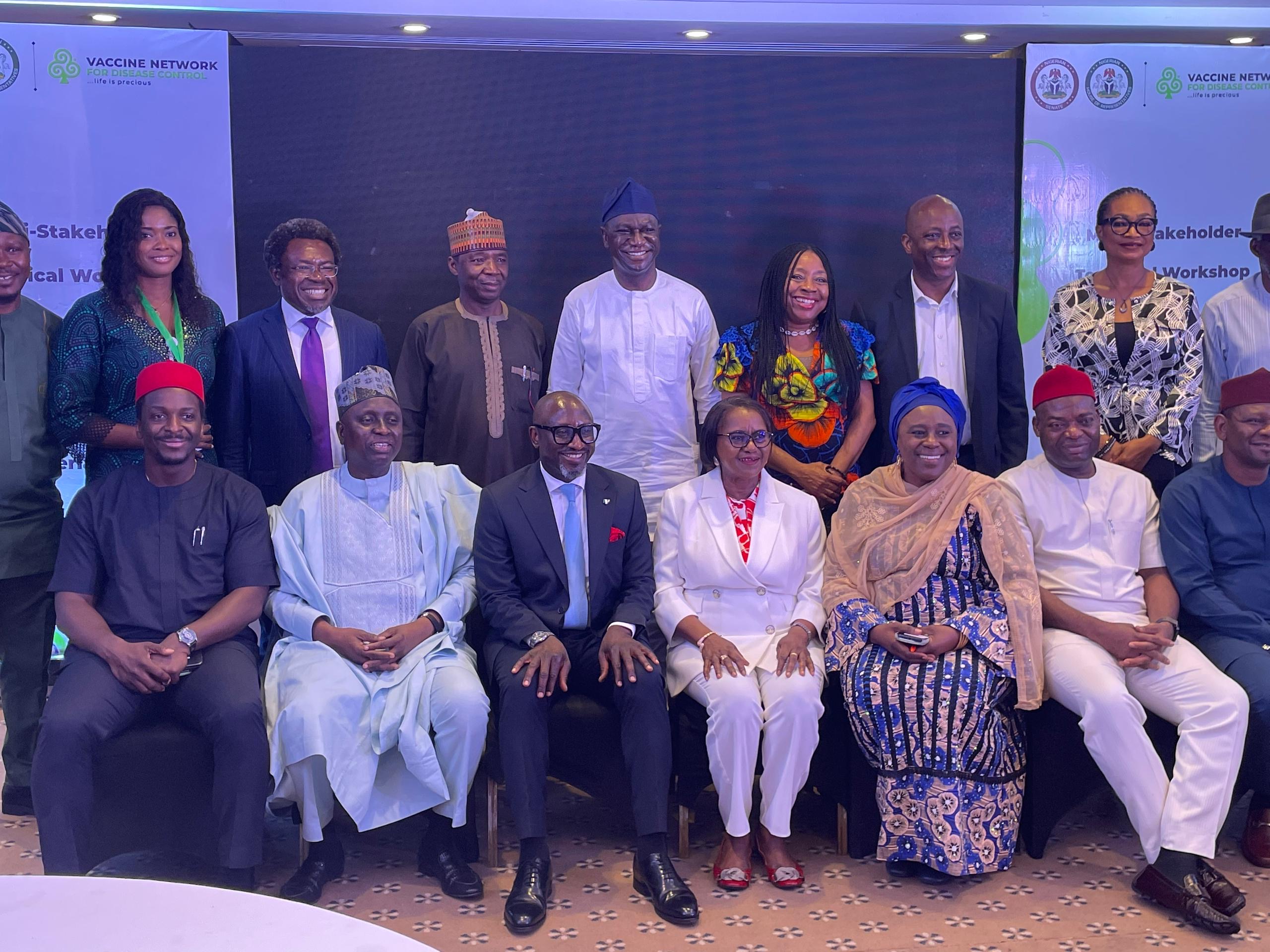
Federal lawmakers have called for urgent legislative measures to guarantee a steady supply of vaccines across the country, stressing the need for transparency and accessibility at all tiers of healthcare—especially for children under five and pregnant women.
The appeal was made during a multi-stakeholder technical workshop on the optimisation of a sustainable immunisation financing model in Nigeria, held in Abuja.
y Chairman of the Senate Committee on Health, Senator Ipalibo Harry, expressed grave concern over the persistent shortage of vaccines nationwide. He urged all stakeholders to work collaboratively to combat the challenges contributing to Nigeria’s low immunisation coverage.
“Can you imagine a scenario where children gather for immunisation, only to be told there are no vaccines and asked to return home? Imagine how devastating that is for any mother. When we observed this disturbing trend, as lawmakers, we asked ourselves—why not introduce a first-line charge specifically for immunisation?” Senator Harry queried.
Similarly, Chairman of the House Committee on Healthcare Services, Honourable Amos Magaji, advocated for an increase in budgetary allocations for immunisation through the Basic Health Care Provision Fund (BHCPF). He also emphasised the need for private sector participation and the adoption of innovative financing mechanisms.
Hon. Magaji noted that the chronic underfunding of immunisation programmes and Nigeria’s overdependence on international donors had led to a diminished sense of responsibility regarding domestic vaccine funding.

The Special Adviser to the President on Health, Dr Salma Ibrahim Anas, underscored the challenges posed by funding gaps. She called for increased contributions from subnational governments and stressed the importance of local vaccine production to reduce costs and enhance sustainability.
“Legislators carry significant responsibility—not just in resource mobilisation, but also in performing effective oversight. The resources we currently have, if used judiciously, can yield tangible results. What we need is more domestic funding and long-term commitment. It is time to reduce our reliance on donor support,” Dr Anas remarked.
Chief Executive Officer of Vaccine Network for Diseases Control (VNDC), Mrs Chika Offor, revealed that only 25% of the 2024 vaccine budget had so far been disbursed. She urged for urgent policy reforms and decentralised procurement at the state level to address the growing number of zero-dose children—those who have never received any vaccine.
“Even if payment is made for vaccines today, it takes about six months before delivery. Nigeria currently has the highest number of zero-dose children globally. We must adopt innovative solutions and ensure proactive financing so vaccines reach every child in need,” she said.
Also speaking at the event, Dr Ado Mohammed, Senior Special Adviser to the Director-General of the Budget Office of Nigeria, called for the creation of a robust vaccine tracking system and greater stakeholder collaboration to ensure equitable vaccine access for all Nigerian children.






Ebola Patient in Nigeria Is Wife of Swiss Diplomat, Switzerland Says

Uba Sani Vows Massive Kaduna Support for Tinubu Ahead of 2027 Election

Atiku Asks Tinubu to Identify Those Behind Alleged Ministerial Appointment Bribes

One Dead, Three Rescued After Two-Storey Building Collapses in Lagos

CBN grants JPMorgan approval-in-principle to establish Merchant Bank in Nigeria

BREAKING: Veteran Nollywood Actor Francis Duru Dies at 57

Ebola: FG Orders Nationwide Awareness Campaign After Reported Case in Abuja

Sultan of Sokoto Meets Tinubu, Prays for Peaceful Elections

NEC Endorses 90-Day Plan to Ease Cost of Living, Targets Single-Digit Inflation

JUST-IN: Tinubu Appoints Ex-DSS DG Bichi to Lead NISS Governing Board

Gov Sule commends DSS over arrests, ammunition recoveries in Nasarawa

FCT Teachers Resume Classes After Suspending Two-Week Strike

NUJ demands justice, fair hearing and protection of press freedom in Farida Isiak’s case
JUST-IN: Tinubu Appoints Ex-DSS DG Bichi to Lead NISS Governing Board
NEC Endorses 90-Day Plan to Ease Cost of Living, Targets Single-Digit Inflation
Ebola: FG Orders Nationwide Awareness Campaign After Reported Case in Abuja
Sultan of Sokoto Meets Tinubu, Prays for Peaceful Elections
BREAKING: Veteran Nollywood Actor Francis Duru Dies at 57
CBN grants JPMorgan approval-in-principle to establish Merchant Bank in Nigeria
Atiku Asks Tinubu to Identify Those Behind Alleged Ministerial Appointment Bribes
-
 News2 days ago
Gov Sule commends DSS over arrests, ammunition recoveries in Nasarawa
-
 FCT News2 days ago
FCT Teachers Resume Classes After Suspending Two-Week Strike
-
 NUJ FCT2 days ago
NUJ demands justice, fair hearing and protection of press freedom in Farida Isiak’s case
-
 National News1 day ago
JUST-IN: Tinubu Appoints Ex-DSS DG Bichi to Lead NISS Governing Board
-
 National News1 day ago
NEC Endorses 90-Day Plan to Ease Cost of Living, Targets Single-Digit Inflation
-
 National News1 day ago
Ebola: FG Orders Nationwide Awareness Campaign After Reported Case in Abuja
-
 National News1 day ago
Sultan of Sokoto Meets Tinubu, Prays for Peaceful Elections
-
 News8 hours ago
Atiku Asks Tinubu to Identify Those Behind Alleged Ministerial Appointment Bribes