

News
ICPC, NUJ chart path for stronger media role in anti-corruption fight

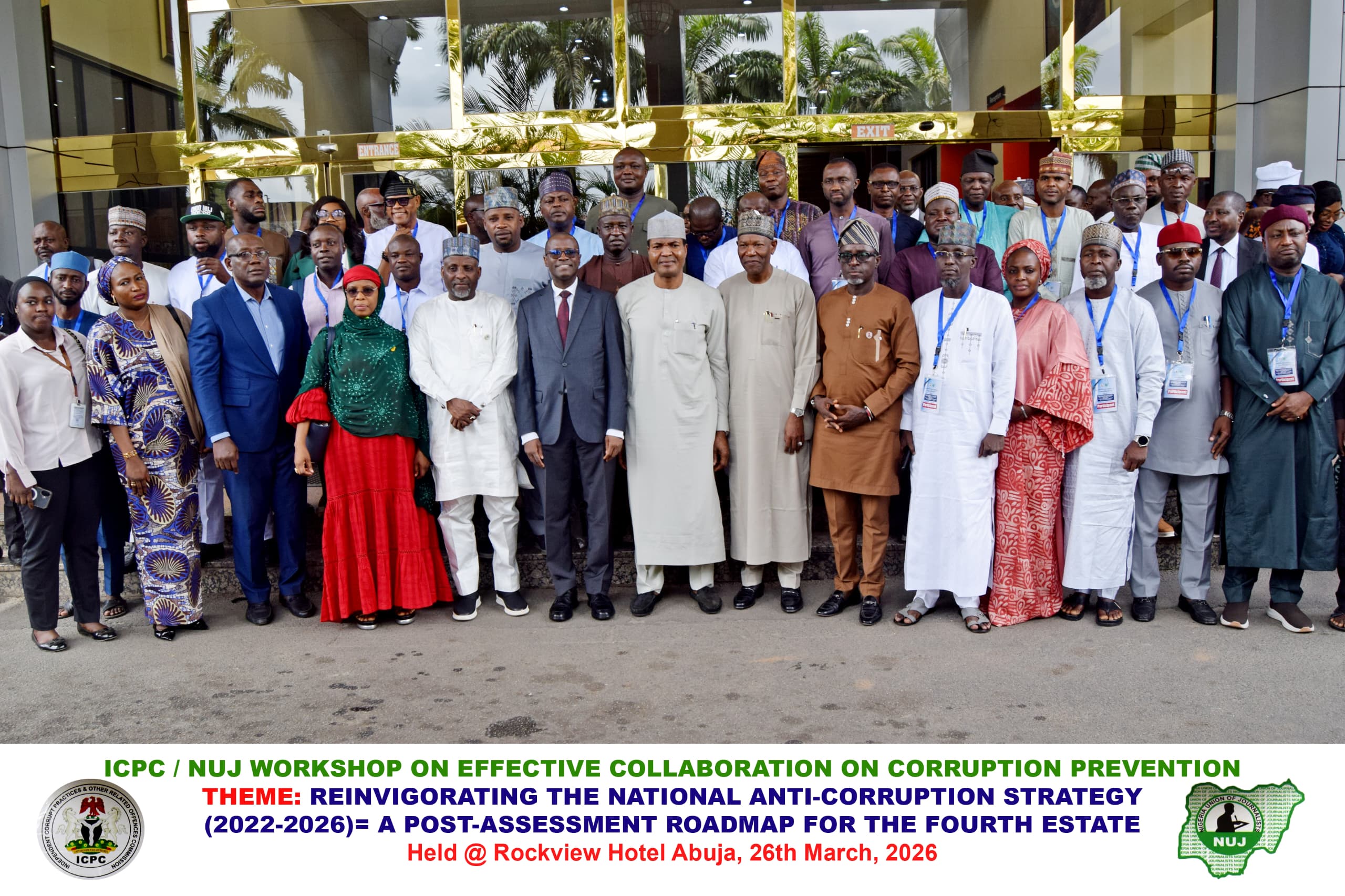
A one-day workshop on effective collaboration in corruption prevention has underscored the critical role of the media in advancing Nigeria’s anti-corruption efforts, particularly within the framework of the National Anti-Corruption Strategy (NACS) 2022–2026.
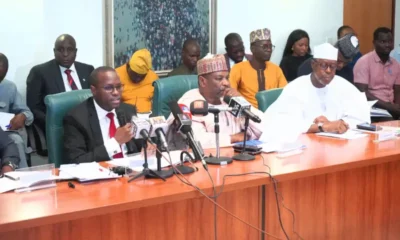
The workshop brought together stakeholders from anti-corruption agencies, civil society organisations, and the Nigeria Union of Journalists, representing states across the federation and the Federal Capital Territory, to assess progress at the midpoint of the strategy and define a roadmap for the Fourth Estate.
Participants observed that corruption cannot be effectively tackled through prosecution alone, stressing the need for systemic reforms, ethical conduct, and transparency across public institutions. While acknowledging that the NACS provides a strong policy framework, they noted a gap between implementation and public perception, attributed to weak inter-agency coordination, limited public awareness, insufficient media engagement, political interference, and slow judicial processes.
The workshop further highlighted that the media remains underutilised in the prevention pillar of the strategy, often focusing on high-profile arrests rather than exposing systemic weaknesses that enable corruption. It also pointed to the untapped potential of digital forensic tools and artificial intelligence in strengthening investigative journalism, alongside the urgent need for protective and incentive frameworks for whistleblowers and journalists.
In its resolutions, the workshop called on anti-corruption agencies to establish dedicated media desks to enhance transparency and provide journalists with access to timely, non-classified information. It emphasised that the media should be recognised not merely as observers but as catalysts for reform, deserving of legal protection and institutional support.
Participants advocated for specialised training programmes to equip journalists with the capacity to interpret key pillars of the NACS, particularly in areas of public financial management and ethics compliance. They also urged the media to prioritise preventive and solution-driven reporting by highlighting reforms and identifying vulnerabilities in governance systems before abuses occur.
The workshop recommended the expedited passage of strengthened whistleblower protection legislation to safeguard sources and reinforce accountability. It also proposed the establishment of a tripartite monitoring committee comprising government, media, and civil society organisations to ensure sustained implementation of the strategy through regular reviews leading up to 2026.
Participants commended the Independent Corrupt Practices and Other Related Offences Commission for its leadership and commitment to anti-corruption efforts, while calling on the Federal Government to provide adequate funding to avoid operational constraints.
They concluded that the success of the National Anti-Corruption Strategy depends largely on a reinvigorated media capable of fearless investigation, responsible reporting, and sustained public enlightenment.
The communiqué was signed by the Chairman of the ICPC, Musa Adamu Aliyu, and the President of the Nigeria Union of Journalists, Alhassan Yahya Abdullahi, alongside members of the drafting committee drawn from various NUJ state councils and the ICPC.











News49 minutes ago
BREAKING: Hajiya Umma El-Rufai, mother of ex-Kaduna Governor, passes away

FCT News2 hours ago
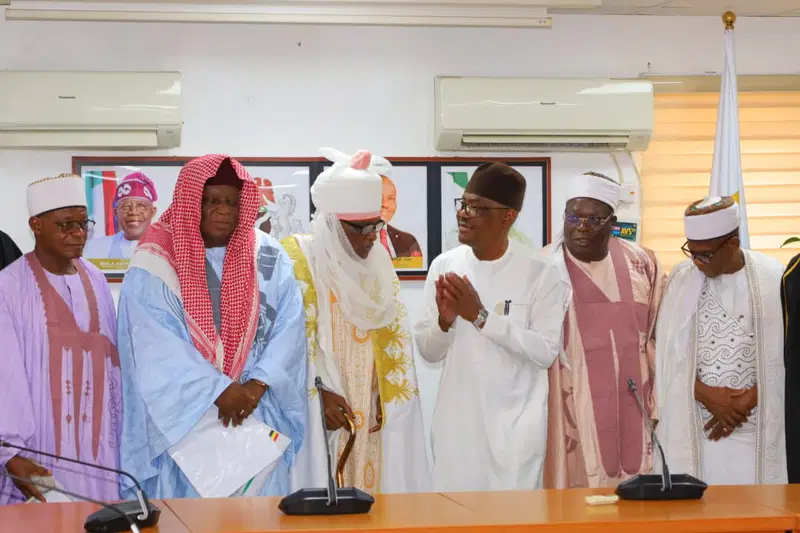
Minister Wike grants land titles, waives fees for traditional rulers

Sports2 hours ago
WAEC releases 2026 first series private candidate results, pass rate rises to 32.72%

News4 hours ago
ICPC, NUJ chart path for stronger media role in anti-corruption fight

News11 hours ago
Tinubu, St. Kitts PM agree to appoint special envoys to deepen ties

News20 hours ago
Oluremi Tinubu, Melania Trump meet at White House AI, education summit

World News21 hours ago
Iran faces backlash as teens man checkpoints, recruitment age dropped to 12

World News21 hours ago
France denies dropping South Africa from G7 Summit over US pressure

FCT News21 hours ago
APC Convention: FG directs Abuja Civil Servants to work from home

News21 hours ago
APC declares readiness for national convention after venue inspection

News1 day ago
Abuja Police arrest four over N150 Million land fraud using FCT Minister’s name

News1 day ago
Kano Governor Abba Kabir Yusuf dismisses Commissioner for Investment, Commerce and Industry

News1 day ago
Hisbah arrests 21 at Kano hotel over alleged immoral activities

National News1 day ago
Senate President Akpabio endorses creation of Anioma State, names Asaba as capital

News1 day ago
Three APC youth leaders die in tragic crash en route to APC congress

National News2 days ago
Nigeria’s capital inflows jump 88% to $23.2bn in 2025 on FX reforms, investor confidence
News4 hours ago
ICPC, NUJ chart path for stronger media role in anti-corruption fight

World News1 day ago
US Army raises maximum enlistment age to 42 amid recruitment push

News2 days ago
Police fire teargas in South Africa as protests against Nigerians, others turn violent

News1 day ago
Kano mother dies after delivering quintuplets, newborns stable
-
 News1 day ago
Abuja Police arrest four over N150 Million land fraud using FCT Minister’s name
-
 News1 day ago
Kano Governor Abba Kabir Yusuf dismisses Commissioner for Investment, Commerce and Industry
-
 News1 day ago
Hisbah arrests 21 at Kano hotel over alleged immoral activities
-
 National News2 days ago
Nigeria’s capital inflows jump 88% to $23.2bn in 2025 on FX reforms, investor confidence
-
 National News1 day ago
Senate President Akpabio endorses creation of Anioma State, names Asaba as capital
-
 News1 day ago
Three APC youth leaders die in tragic crash en route to APC congress
-
 World News1 day ago
US Army raises maximum enlistment age to 42 amid recruitment push
-
 News2 days ago
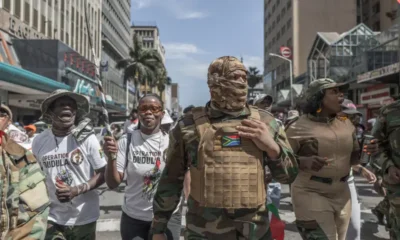
Police fire teargas in South Africa as protests against Nigerians, others turn violent