
News
Israel, Hezbollah agree ceasefire amid fragile US-Iran diplomatic push

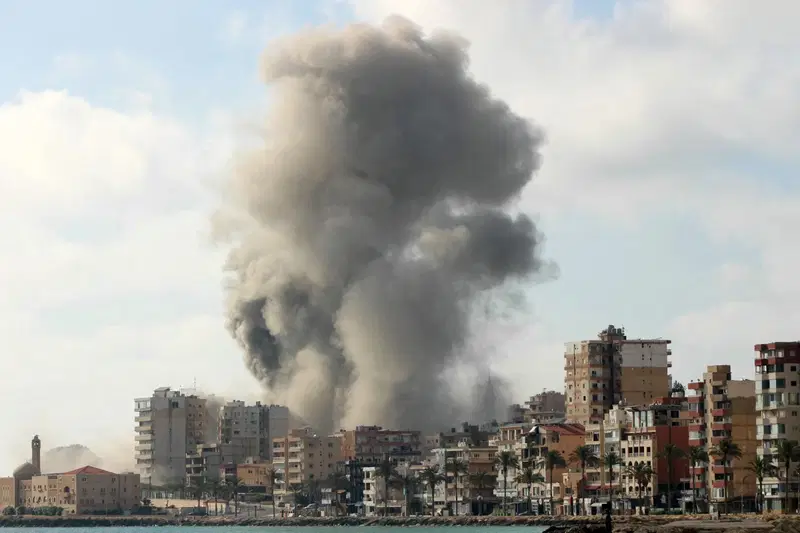
A ceasefire has been reached between Israel and Hezbollah following weeks of deadly cross-border exchanges that have intensified tensions in Lebanon and threatened wider regional stability, a United States official confirmed on Friday.
The truce, brokered by US and Qatari mediators after consultations with Israel and Iran, takes immediate effect and is intended to halt the escalating hostilities that have left dozens dead on both sides and strained an already fragile diplomatic process.
However, the agreement appears precarious, coming barely two days after it was signed, as renewed Israeli airstrikes targeted more than 80 Hezbollah positions in southern Lebanon, according to Israeli military sources. Lebanon’s health authorities reported at least 21 fatalities in the latest wave of attacks, while Israel confirmed the loss of four soldiers, triggering fresh political outrage within the country.
The ceasefire also comes at a sensitive moment for US-Iran relations, with scheduled talks in Switzerland—originally set to advance the second phase of a broader peace framework—suddenly postponed. No new date has been announced.
Iranian officials have maintained a hardline posture despite the diplomatic breakthrough. Tehran’s chief negotiator, Mohammad Bagher Ghalibaf, warned that Iran would not compromise on its “red lines,” stressing that the country remained prepared to respond forcefully if provoked.
“If the enemy seeks to be excessive, we have proven that our fingers are on the trigger,” Ghalibaf said, adding that Iran would not hesitate to deliver a “crushing response” if necessary.
The agreement, reportedly endorsed by US President Donald Trump and Iranian President Masoud Pezeshkian, is part of a broader effort to end hostilities that began in late February with joint US-Israeli strikes that killed Iran’s supreme leader Ayatollah Ali Khamenei, according to diplomatic accounts.
Beyond Lebanon, the deal also seeks to stabilise maritime activity in the Strait of Hormuz, a critical global energy corridor that had been severely disrupted during the conflict. Shipping activity has begun to recover, with 25 vessels recorded crossing the strait shortly after its reopening, according to maritime tracking data.
Despite this, uncertainty remains. Iran has maintained strict transit rules requiring ships to submit requests 48 hours before passage, while US naval forces have eased but not fully lifted their presence in the region.
Within Israel, hardline voices have rejected the ceasefire momentum. National Security Minister Itamar Ben Gvir warned of intensified military action, while others insisted that military pressure on Hezbollah would continue if attacks persisted.
Diplomatic sources suggest internal divisions on both sides, with analysts warning that “spoilers” within Israel and Iran could still derail the fragile agreement.
While the ceasefire marks a temporary pause in one of the region’s most dangerous escalations in recent months, both sides continue to accuse each other of bad faith, raising doubts over whether the truce can hold beyond its initial phase.
For now, the guns have quieted—but the underlying conflict remains unresolved.















Tinubu to Nigerians: Give Us More Opportunity to Finish the Good Work

Lagos Police Begin Disciplinary Action Against Inspector Over Viral Video

Four Killed as Armed Men Attack Two Niger Communities

Rivers Assembly Issues Arrest Warrant for PAMO VC Over N29bn Funds

Super Eagles Beat Madagascar 2-1 in AFCON 2027 Qualifier
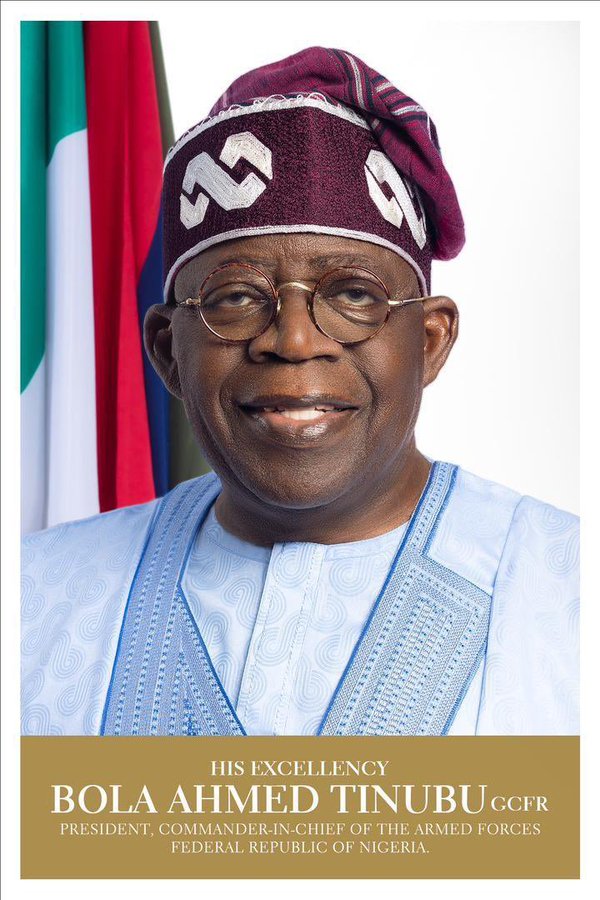
Tinubu Unveils $7bn Ogun Deep Seaport, Blue Marine Economic Zone Investment

Peter Obi Again Denies Borrowing, Issuing Bonds During Eight Years as Anambra Governor

Moghalu Disowns Atiku Campaign Appointment, Says He Was Not Consulted

Ghanaian Lawmaker Sosu Collapses on Stage During Speech

Fuel is N3,000/ltr in UK, we’re doing very well here – Okpebholo
Super Eagles Beat Madagascar 2-1 in AFCON 2027 Qualifier
Rivers Assembly Issues Arrest Warrant for PAMO VC Over N29bn Funds
Lagos Police Begin Disciplinary Action Against Inspector Over Viral Video
Tinubu to Nigerians: Give Us More Opportunity to Finish the Good Work
Four Killed as Armed Men Attack Two Niger Communities
-
 Sports1 day ago
Super Eagles Beat Madagascar 2-1 in AFCON 2027 Qualifier
-
 News1 day ago
Rivers Assembly Issues Arrest Warrant for PAMO VC Over N29bn Funds
-
 News1 day ago
Lagos Police Begin Disciplinary Action Against Inspector Over Viral Video
-
 National News1 day ago
Tinubu to Nigerians: Give Us More Opportunity to Finish the Good Work
-
 News1 day ago
Four Killed as Armed Men Attack Two Niger Communities