






News
Judicial projects won’t undermine Court independence — Wike

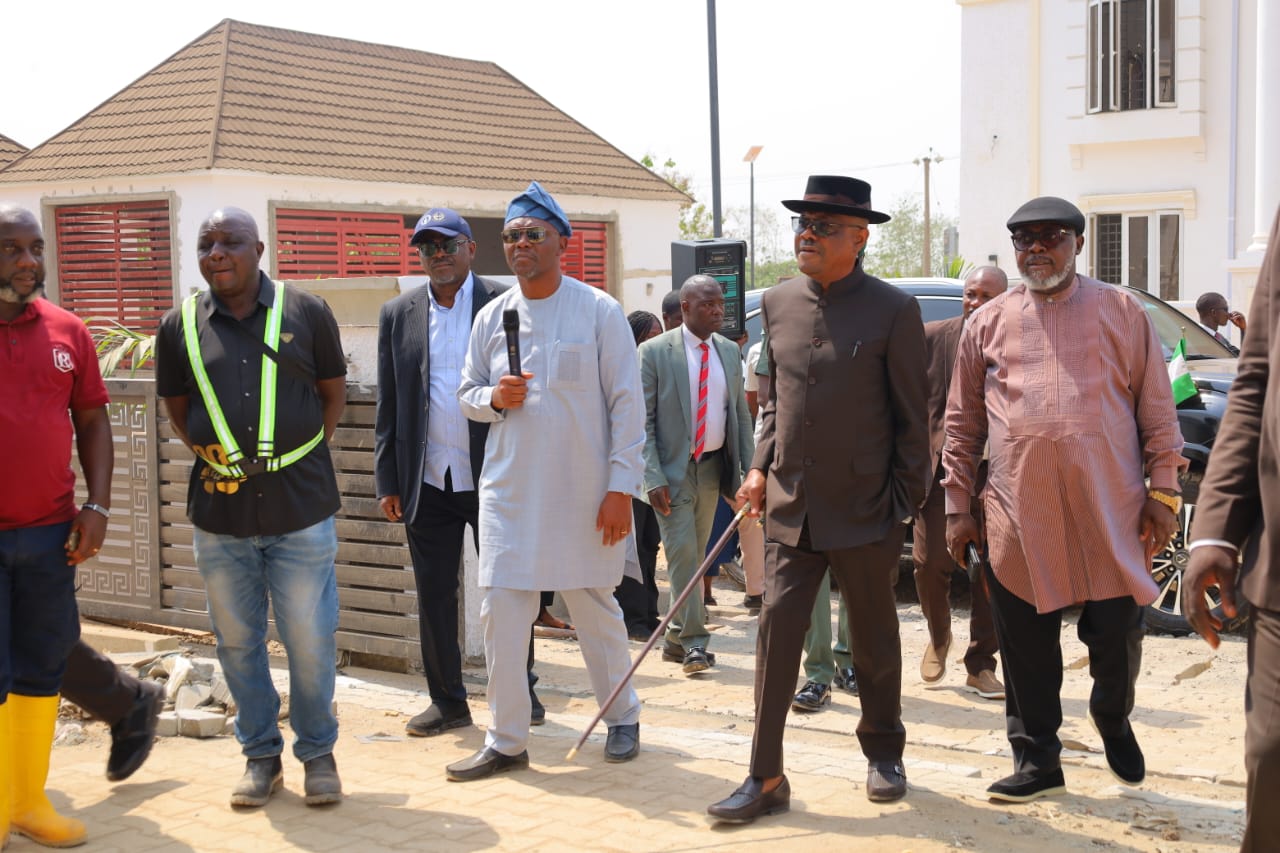
The Minister of the Federal Capital Territory (FCT), Nyesom Wike, has dismissed concerns that the ongoing construction of judicial infrastructure in Abuja could compromise the independence of the judiciary.
Wike spoke on Thursday after inspecting several judicial projects in the nation’s capital, including the Court of Appeal complex, judges’ quarters, and official residences for heads of courts.
According to the minister, the projects are presidential interventions aimed at strengthening the third arm of government by improving judges’ welfare, security and operational efficiency. He said the developments are being executed by the Federal Capital Territory Administration (FCTA) through the Federal Capital Development Authority (FCDA).
Wike stressed that the intervention does not in any way threaten judicial independence, noting that no democracy can function without a strong and independent judiciary.
“There is nothing you would do that critics will not criticise. Before now, people complained that judges had nowhere to stay to do their work effectively. Now that government is providing accommodation, they say it is an attempt to buy them. How many people can you buy?” he asked.
He explained that providing decent housing and a secure environment for judges is essential for effective judicial performance and does not amount to undue influence.
“You can’t talk about democracy without talking about the judiciary. You also can’t expect them to perform efficiently when they don’t have befitting places to stay. Even when funds are released to the judiciary, it is still the executive that disburses those funds,” Wike said.
The minister revealed that the projects followed a clear directive issued by President Bola Ahmed Tinubu shortly after his inauguration in May 2023, mandating the FCT Administration to reduce the accommodation burden on judges and enhance their welfare.
He disclosed that a Court of Appeal division with a separate administrative headquarters is already between 85 and 90 per cent completed, adding that the project is nearing completion.
“We were there this morning and saw that the work is almost finished. That directive was very clear, and we are glad it is being faithfully implemented,” he said.
Wike further revealed that the FCTA is constructing 40 residential houses for judges, comprising 20 units for the FCT High Court, 10 for the Court of Appeal and 10 for the Federal High Court, with plans underway to commence similar housing projects for the National Industrial Court.
He also said that official residences, known as “Houses of Courts,” are being built for heads of courts, including the President of the Court of Appeal, President of the National Industrial Court, Chief Judge of the Federal High Court and Chief Judge of the FCT High Court.
According to him, the projects are expected to be completed and handed over by June or July, subject to continued progress, for formal presentation to the judiciary by President Tinubu.
Wike described the development as unprecedented in Nigeria’s history, adding that delays experienced in the construction of the Court of Appeal complex were largely due to last year’s heavy rainfall.
He expressed satisfaction with the quality and pace of work, reiterating the Tinubu administration’s commitment to strengthening the judiciary as a critical pillar of Nigeria’s democratic system.







News12 hours ago
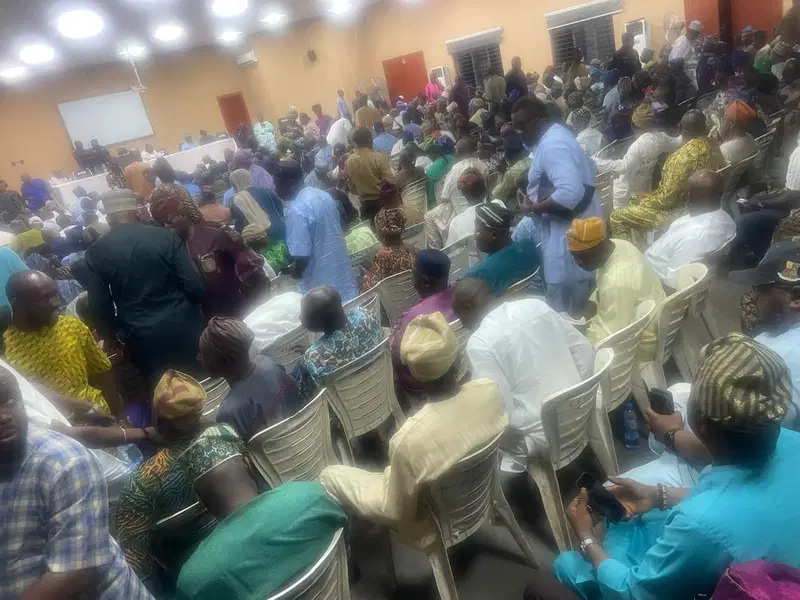
Makinde holds PDP stakeholders meeting ahead of 2027 elections

World News12 hours ago
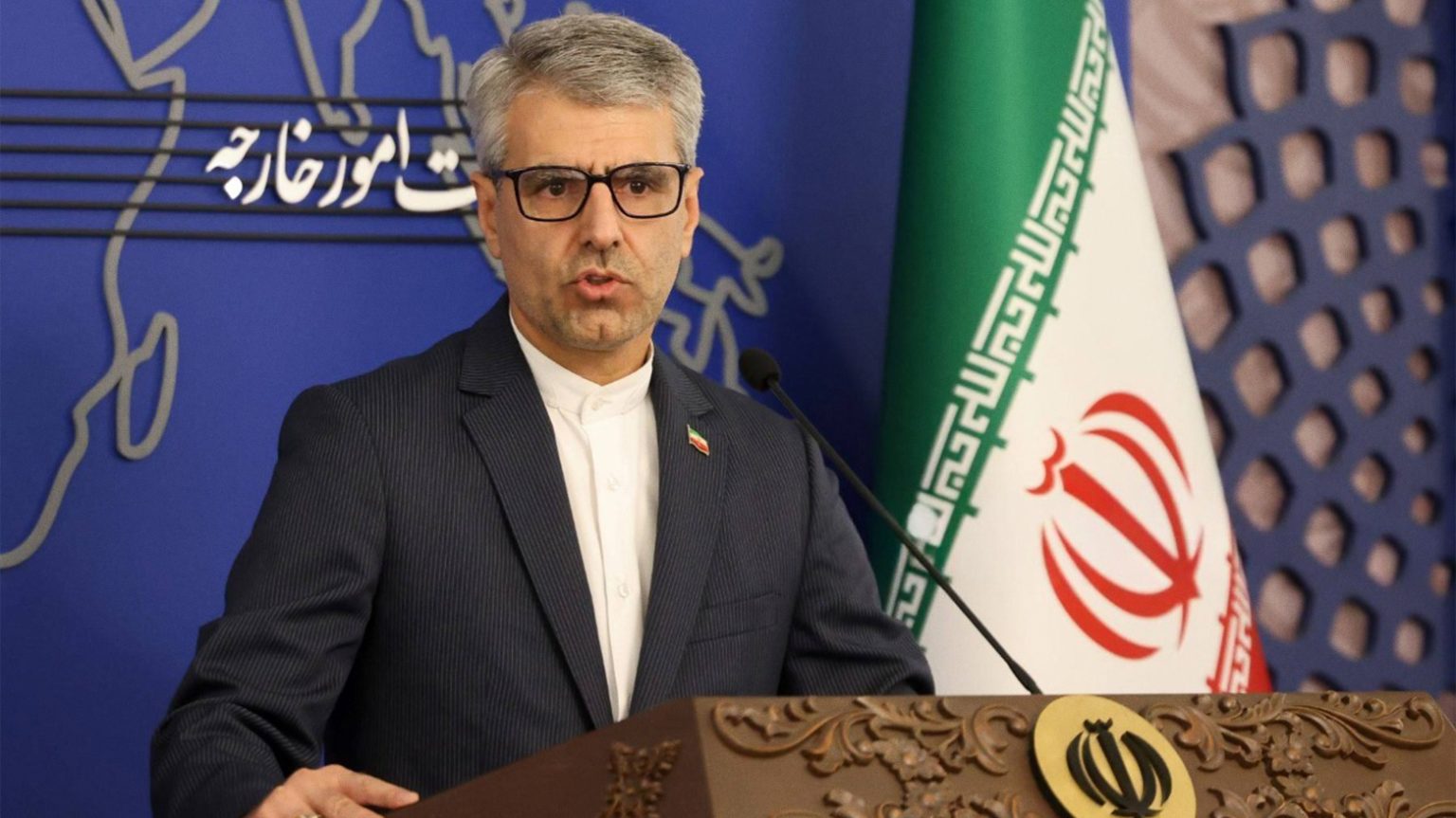
Iran says it received U.S. messages on ending war

News13 hours ago
DSS storms Malami’s Abuja residence after Atiku’s visit

News14 hours ago
One killed, others injured as IED explosion hits Kwara community

News14 hours ago
FG set to launch HIV prevention injection as 52,000 doses arrive

News15 hours ago
ICPC to arraign El-Rufai over alleged d fraud, money laundering charges

News20 hours ago
BREAKING: Former Acting Accountant-General sentenced to 72 Years for N868 Million fraud

News21 hours ago
Rising oil prices boost Nigeria’s fiscal space, says Gov. Otti

National News22 hours ago
NGF submits State Police framework to NSA, eyes National Assembly review

News22 hours ago
Nigerian Army neutralises dozens of bandits in Bello Turji’s camp

News22 hours ago
Police promise justice as 16 arrested over Ozoro festival violence

National News22 hours ago
Restructuring: Police clarify IGP directive, deny disbandment of tactical units

National News1 day ago
FG to scrap Common Entrance, introduce Learner ID for pupils
News22 hours ago
Nigerian Army neutralises dozens of bandits in Bello Turji’s camp

National News1 day ago
Nigeria to get equipment, training support from France — Tinubu

News1 day ago
Panic in Kwara as gunmen invade Church, kidnap worshippers

World News22 hours ago
Israel-Iran conflict deepens as global energy crisis worsens
News20 hours ago
BREAKING: Former Acting Accountant-General sentenced to 72 Years for N868 Million fraud

Sports1 day ago
Manchester City beat Arsenal 2-0 to win League Cup at Wembley
News14 hours ago
FG set to launch HIV prevention injection as 52,000 doses arrive
-
 News22 hours ago
Police promise justice as 16 arrested over Ozoro festival violence
-
 National News22 hours ago
Restructuring: Police clarify IGP directive, deny disbandment of tactical units
-
 National News1 day ago
FG to scrap Common Entrance, introduce Learner ID for pupils
-
 News22 hours ago
Nigerian Army neutralises dozens of bandits in Bello Turji’s camp
-
 News1 day ago
Panic in Kwara as gunmen invade Church, kidnap worshippers
-
 World News22 hours ago
Israel-Iran conflict deepens as global energy crisis worsens
-
 National News1 day ago
Nigeria to get equipment, training support from France — Tinubu
-
 National News22 hours ago
NGF submits State Police framework to NSA, eyes National Assembly review