


News
Nigeria, UK sign deal on deportation of criminals, failed asylum seekers

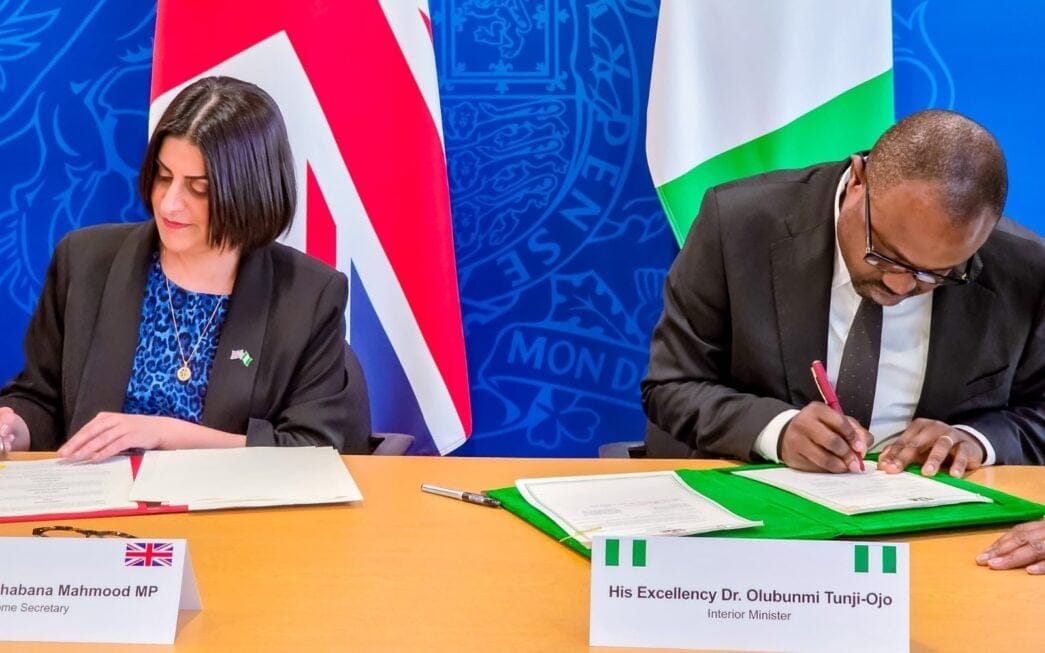
Nigeria has signed a new agreement with the United Kingdom allowing Britain to deport failed asylum seekers and convicted criminals to the West African country.
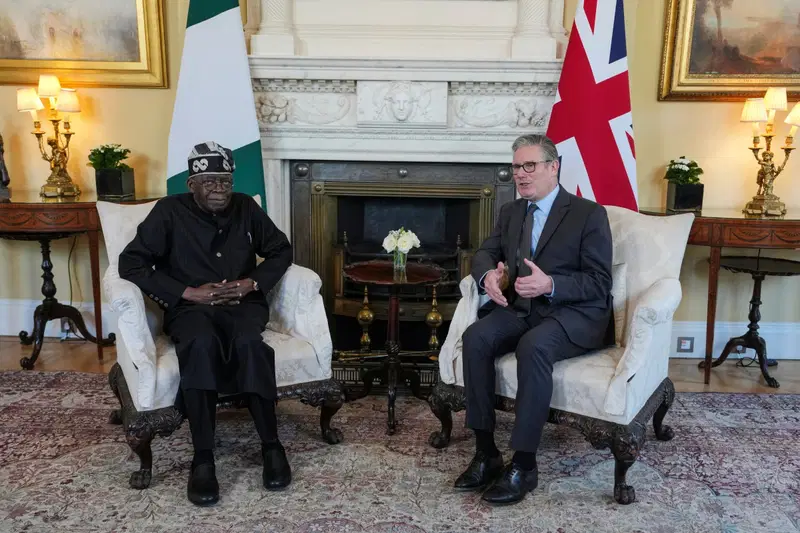
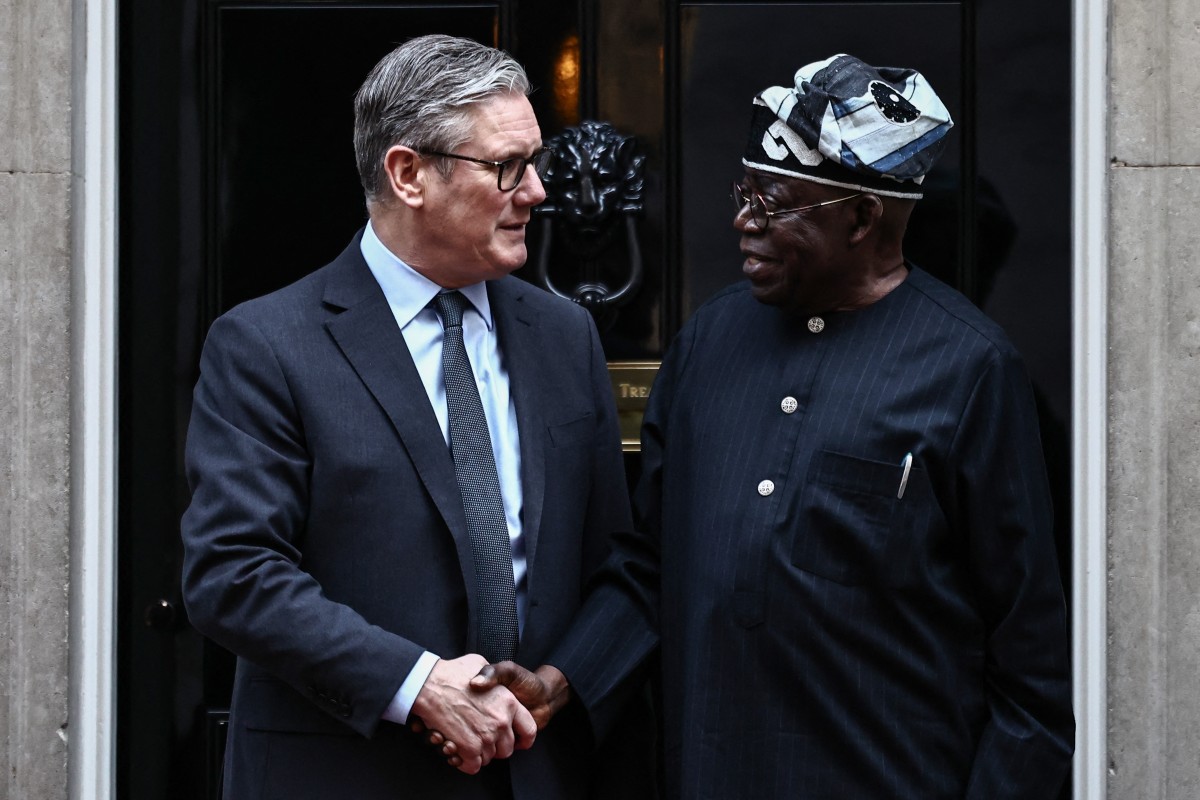
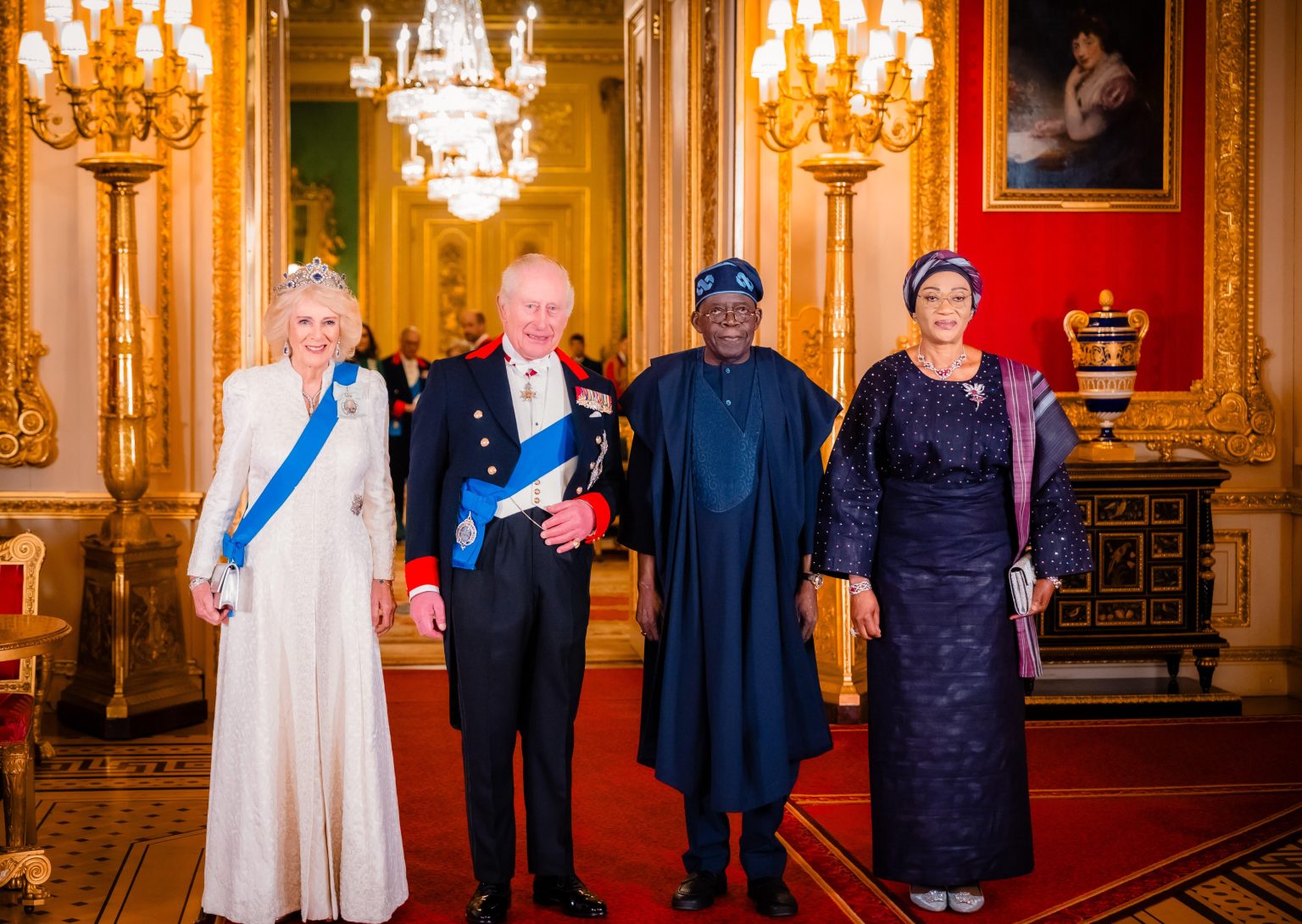
The deal was signed by Minister of Interior, Olubunmi Tunji-Ojo, and UK Home Secretary, Shabana Mahmood, during President Bola Tinubu’s state visit to the UK, according to the British Home Office.
Under the agreement, the UK will also be able to return visa overstayers to Nigeria, with expanded flexibility in the deportation process.
A key provision of the deal allows Nigeria, for the first time, to accept UK-issued letters as valid identification for individuals without passports, easing documentation challenges that previously delayed deportations.
The Home Office said the move removes a major administrative barrier to returning individuals to their home countries. However, details regarding the start date, duration, and any financial arrangements tied to the agreement were not disclosed.
The development follows a similar 2022 arrangement between the UK and Rwanda, which was later abandoned after Prime Minister Keir Starmer described it as “dead.”
It remains unclear whether the deportation agreement will apply strictly to Nigerian nationals or include individuals of other nationalities.
Official data indicates that 961 Nigerian failed asylum seekers have exhausted their appeal rights in the UK, while an additional 1,110 Nigerian nationals classified as foreign offenders are awaiting deportation.
Tunji-Ojo said Nigeria’s participation reflects its commitment to international obligations and responsible migration management.
“We are totally committed to being a responsible country in fulfilling our core obligations,” he said.
UK Minister for Border Security and Asylum, Alex Norris, described Nigeria as a key partner in addressing illegal migration, noting its status as the UK’s largest African visa market.
The agreement also includes provisions for joint operations and intelligence sharing to tackle criminal networks exploiting visa systems through fake sponsorships, sham marriages, and forged documents.
In addition, both countries plan to strengthen cooperation against online fraud, including romance scams, investment fraud, and cryptocurrency-related crimes, through a new intelligence-sharing framework known as a “fusion cell.”













National News39 seconds ago
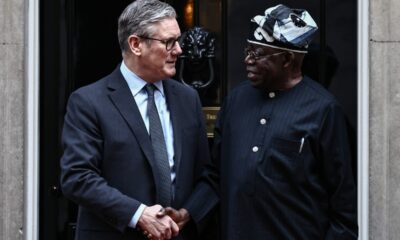
Tinubu, Starmer seal £70m Steel deal for Lagos Ports upgrade

News2 minutes ago
Nigeria, UK sign deal on deportation of criminals, failed asylum seekers

National News8 hours ago
UK Visit: Tinubu meets Prime Minister Starmer at Downing Street

National News11 hours ago
Tinubu’s full speech at the State banquet, Windsor Castel (Full Text)

News11 hours ago
APGA, Abaribe trade words over defection, Senate seat legitimacy

Business11 hours ago
Nigeria’s balance of payments surplus drops 38% amid oil revenue decline, investment shifts

National News1 day ago
BREAKING: Sultan declares Friday as Eid-el-Fitr

Sports1 day ago
Chelle drops Osimhen, Nwabali as Super Eagles unveil squad for Iran, Jordan friendlies

Sports1 day ago
Carrick urges Tuchel to recall Man United trio for England friendlies

News1 day ago
Police arrest suspect over murder in Rivers, recover victim’s remains

News1 day ago
Julius Berger ups the ante, delivers landmark CSR activities in Rivers State

Sports2 days ago
CAF Appeal Board awards 2025 AFCON title to Morocco after Senegal forfeiture

News2 days ago
IGP Disu visits Maiduguri bombing victims, assesses security after IED explosions

News1 day ago
Gunmen abduct Cocoa farmers in Oyo, Police launch rescue operation

World News2 days ago
Iran to bury security Chief as missile strikes escalate Middle East conflict

National News1 day ago
UK Visit: King Charles receives Tinubu, First Lady (Photos)
News1 day ago
Police arrest suspect over murder in Rivers, recover victim’s remains

News2 days ago
Akpoti-Uduaghan validates PDP membership, urges Nigerians to register digitally

News1 day ago
Saudi Arabia fixes Friday for Eid-el-Fitr as Nigerian await Sultan’s announcement
Sports1 day ago
Carrick urges Tuchel to recall Man United trio for England friendlies
-
 News1 day ago
Julius Berger ups the ante, delivers landmark CSR activities in Rivers State
-
 Sports2 days ago
CAF Appeal Board awards 2025 AFCON title to Morocco after Senegal forfeiture
-
 News2 days ago
IGP Disu visits Maiduguri bombing victims, assesses security after IED explosions
-
 News1 day ago
Gunmen abduct Cocoa farmers in Oyo, Police launch rescue operation
-
 World News2 days ago
Iran to bury security Chief as missile strikes escalate Middle East conflict
-
 National News1 day ago
UK Visit: King Charles receives Tinubu, First Lady (Photos)
-
 News1 day ago
Police arrest suspect over murder in Rivers, recover victim’s remains
-
 News2 days ago
Akpoti-Uduaghan validates PDP membership, urges Nigerians to register digitally