
National News
Tinubu signs ₦68.32 Trillion 2026 Budget, extends 2025 budget implementation

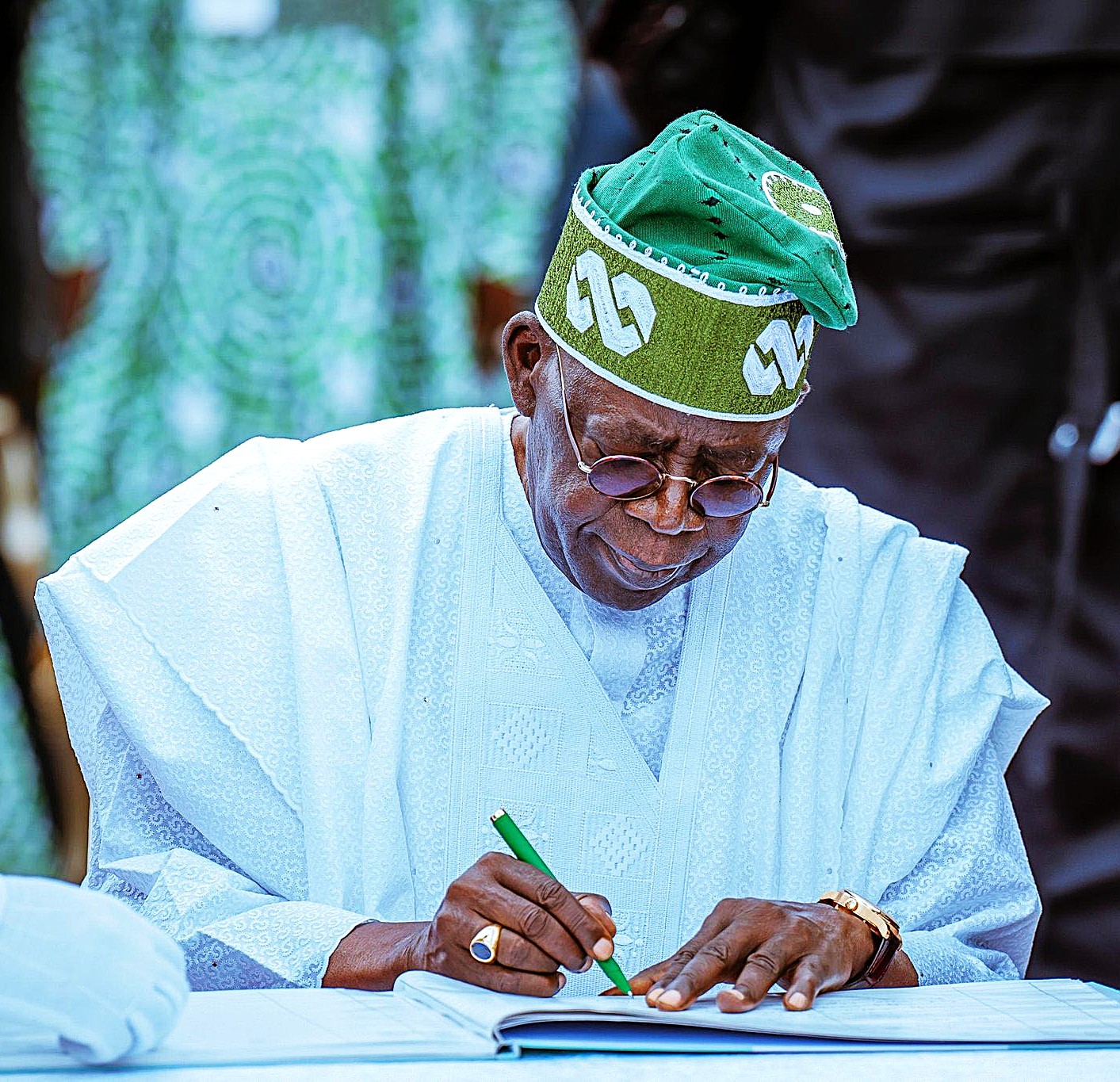
President Bola Tinubu has signed the 2026 Appropriation Bill into law, approving a total expenditure of ₦68.32 trillion for the fiscal year.
The President also assented to an amendment bill extending the implementation period of the 2025 budget from March 31, 2026, to June 30, 2026.
Breakdown of the 2026 Budget
The approved budget provides for:
₦4.799 trillion for statutory transfers
₦15.8 trillion for debt servicing
₦15.4 trillion for recurrent expenditure
₦32.2 trillion for capital expenditure through the Development Fund
With capital spending making up about 50 per cent of the budget, the plan reflects the administration’s focus on infrastructure, national security, economic growth and improved living standards.
Why the 2025 Budget Was Extended
According to the government, the extension of the capital component of the 2025 Appropriation Act will allow the full utilisation of already approved funds, especially for key infrastructure and development projects nearing completion across the country.
The extension is also expected to help Ministries, Departments and Agencies (MDAs) complete ongoing projects, improve delivery timelines and ensure better value for public spending.
Implementation Begins
With the 2026 Appropriation Act taking effect from April 1, the Federal Government is expected to begin full implementation in line with the Renewed Hope Agenda.
President Tinubu directed all MDAs to ensure prudent, transparent and efficient use of public funds, with emphasis on timely project execution and accountability.
Tinubu Commends National Assembly
The President praised the leadership and members of the National Assembly of Nigeria for the speedy passage of the budget and reaffirmed the need for continued cooperation between the executive and legislative arms of government.
He also assured Nigerians that his administration would continue fiscal reforms, improve revenue generation, create jobs and strengthen social protection programmes.









Lagos-Ibadan Expressway Gridlock Lasts 14 Hours After Seven-Vehicle Crash at Kara

Presidency Dares Peter Obi to Quit 2027 Race Over Anambra Debt Claims

INEC Explains Amupitan’s Absence, Says Chairman Can Delegate Powers to National Commissioners

JAMB Begins Major UTME Review, Plans Life Skills, Critical Thinking Test

Supreme Court Reserves Judgment on Electoral Act 2026 Dispute

Court Orders Tinubu to Be Served With Atiku’s Suit Seeking His Disqualification

BREAKING: Nollywood Icon Olu Jacobs Dies at 84

I Don’t Need a Son to Inherit My Empire, My Daughters Can Lead — Dangote

Wike’s Rainbow Coalition Threat to APC Survival, Cohesion — Onoh

King’s College Concession: Education Workers Threaten Nationwide Shutdown of Unity Colleges

2027: INEC Promises Transparent, Credible and Peaceful General Election
King’s College Concession: Education Workers Threaten Nationwide Shutdown of Unity Colleges
BREAKING: Nollywood Icon Olu Jacobs Dies at 84

BREAKING: Nigeria’s Inflation Rate Falls to 15.39% in August — NBS
Wike’s Rainbow Coalition Threat to APC Survival, Cohesion — Onoh
Court Orders Tinubu to Be Served With Atiku’s Suit Seeking His Disqualification
I Don’t Need a Son to Inherit My Empire, My Daughters Can Lead — Dangote
Presidency Dares Peter Obi to Quit 2027 Race Over Anambra Debt Claims
Lagos-Ibadan Expressway Gridlock Lasts 14 Hours After Seven-Vehicle Crash at Kara
Supreme Court Reserves Judgment on Electoral Act 2026 Dispute
-
 News2 days ago
2027: INEC Promises Transparent, Credible and Peaceful General Election
-
 News2 days ago
King’s College Concession: Education Workers Threaten Nationwide Shutdown of Unity Colleges
-
 Entertainment1 day ago
BREAKING: Nollywood Icon Olu Jacobs Dies at 84
-
 News2 days ago
Wike’s Rainbow Coalition Threat to APC Survival, Cohesion — Onoh
-
 News22 hours ago
Court Orders Tinubu to Be Served With Atiku’s Suit Seeking His Disqualification
-
 News2 days ago
BREAKING: Nigeria’s Inflation Rate Falls to 15.39% in August — NBS
-
 News2 days ago
I Don’t Need a Son to Inherit My Empire, My Daughters Can Lead — Dangote
-
 News20 hours ago
Supreme Court Reserves Judgment on Electoral Act 2026 Dispute