






National News
JRB bans roadblocks for tax collection, unveils new presumptive tax rules

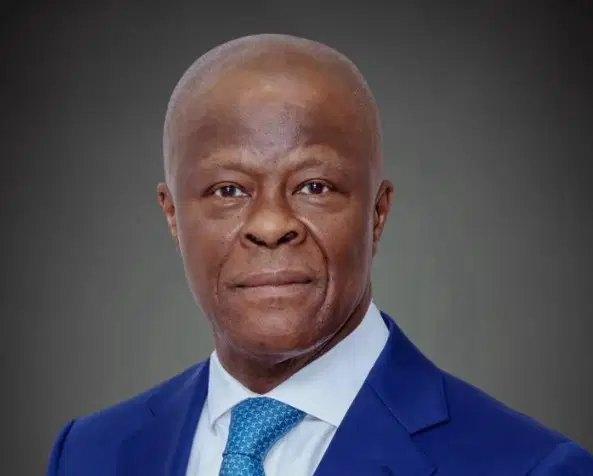
The Joint Revenue Board (JRB) has outlawed the use of roadblocks for tax collection across the country as part of the rollout of new Presumptive Tax Regulations.
The regulations were unveiled by the Minister of Finance and Coordinating Minister of the Economy, Wale Edun, as part of efforts to streamline tax administration and protect small businesses from harassment.
The Executive Secretary of the JRB, Olusegun Adesokan, explained that the new framework provides a harmonised and coordinated approach to tax collection nationwide, ensuring that businesses are not disrupted in the process.
Exemptions and 1% Turnover Tax
Under the new rules, nano and small businesses with annual turnover of ₦12 million and below are exempted from the presumptive tax. Other informal businesses above that threshold will pay a flat 1% tax on turnover.
The framework is designed to protect small enterprises, encourage growth, and broaden the tax base in what officials describe as a fair and transparent manner.
Speaking at the launch, Edun said the reforms aim to formalise small businesses and integrate them gradually into the structured economy.
“These regulations ensure transparency, fairness, and economic inclusion. They formalize a pathway for small businesses to grow and eventually enter the formal economy, contributing to sustainable national growth,” he said.
Growth Targets and Economic Vision
The minister noted that Nigeria’s Gross Domestic Product (GDP) recorded over four per cent growth in the last quarter of 2025, adding that the administration is targeting seven per cent growth in the near term.
He linked the tax reforms to the broader economic ambition of achieving a $1 trillion economy by 2030.
Edun further stated that tax administration under the new system would be coordinated across federal, state, and local governments, with oversight mechanisms to ensure fairness and compliance. An Ombudsman framework, he added, will monitor implementation and address complaints.
“This is a growth-oriented system designed to create jobs, support small and medium enterprises, and promote investment from Nigerians at home and in the diaspora,” the minister said.
The move to ban roadside tax enforcement is expected to bring relief to traders and transporters who have long complained about multiple taxation and extortion on highways.
















National News6 hours ago
Democracy Day: FG declares Friday public holiday

News8 hours ago
Democracy Day: Gov Radda praises heroes, urges support for good governance, peaceful coexistence

National News9 hours ago
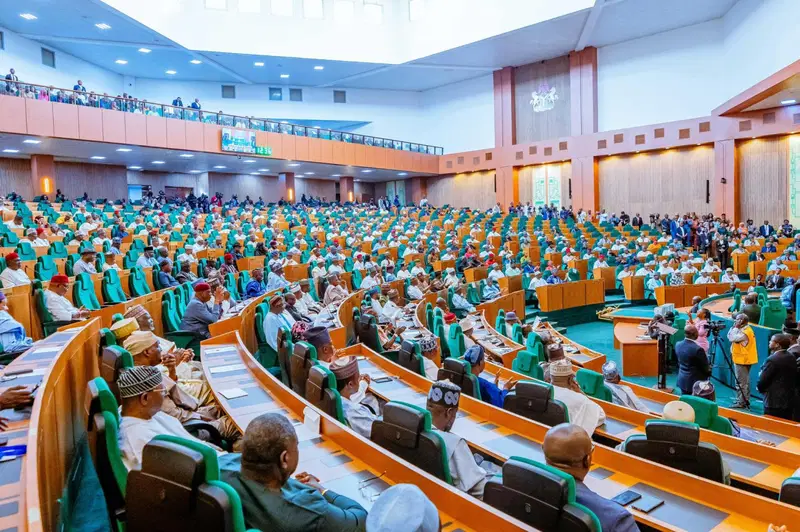
BREAKING: House Of Representatives passes State Police bill

National News9 hours ago
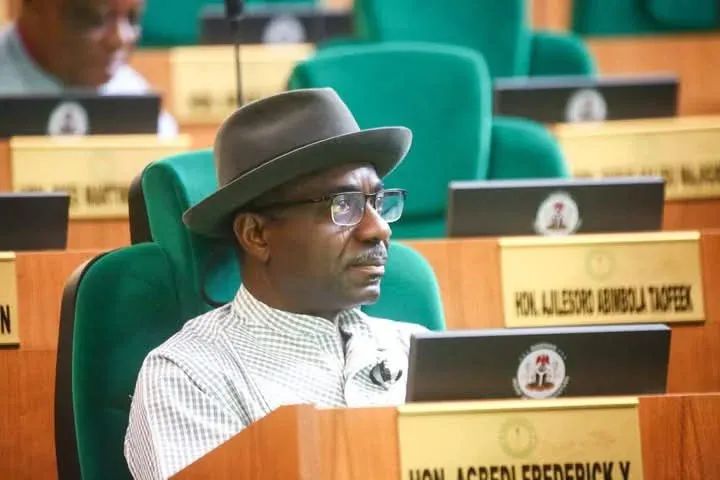
BREAKING: Fred Agbedi emerges House Minority Leader as Abbas announces new opposition leadership

News16 hours ago
Federal High Court begins annual vacation July 27, designates vacation courts

Business19 hours ago
BINANI AIR records a strong start as it marks 30 days of commercial operations

National News1 day ago
JUST-IN: Tension as fire rocks Senate wing of National Assembly

News1 day ago
BREAKING: Bandits attack Kogi school, kill vice principal, two others, abduct students writing WAEC exam
National News1 day ago
BREAKING: Reps to vote Thursday on constitutional amendment for creation of state police

News1 day ago
Okonkwo releases alleged evidence in fresh escalation of feud with Peter Obi over NDC bribery claims (Photos)

Sports1 day ago
Flamingos resume camp as Nigeria face Benin in U-17 World Cup qualifier

FCT News1 day ago
AEDC announces power outage across Abuja, Nasarawa over TCN transmission fault

Metro1 day ago
Kogi police say bandit attack on Iluke school repelled, three killed

News1 day ago
Okonkwo reacts to Obi’s N5bn defamation suit, says ex-principal looking for campaign funds

News1 day ago
Edo Govt shuts three schools over alleged kidnap threat

News1 day ago
Deeper Life: My sons wont take over from me, Kumuyi speaks on Church succession plan

News1 day ago
London police launch manhunt after Nigerian inmate escapes custody transport

FCT News1 day ago
FCT police rescue five kidnapped victims, kill two suspects in Abuja clearance operation
National News1 day ago
JUST-IN: Tension as fire rocks Senate wing of National Assembly
News1 day ago
Okonkwo releases alleged evidence in fresh escalation of feud with Peter Obi over NDC bribery claims (Photos)
-
 Sports1 day ago
Flamingos resume camp as Nigeria face Benin in U-17 World Cup qualifier
-
 FCT News1 day ago
AEDC announces power outage across Abuja, Nasarawa over TCN transmission fault
-
 News1 day ago
Deeper Life: My sons wont take over from me, Kumuyi speaks on Church succession plan
-
 News1 day ago
London police launch manhunt after Nigerian inmate escapes custody transport
-
 Metro1 day ago
Kogi police say bandit attack on Iluke school repelled, three killed
-
 News1 day ago
Okonkwo reacts to Obi’s N5bn defamation suit, says ex-principal looking for campaign funds
-
 News1 day ago
Edo Govt shuts three schools over alleged kidnap threat
-
 FCT News1 day ago
FCT police rescue five kidnapped victims, kill two suspects in Abuja clearance operation