
National News
Senate passes bill to establish National Agency for Malaria Elimination

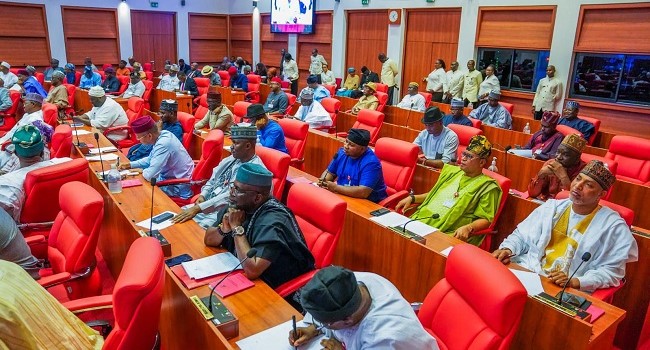
The Senate has passed for third reading a bill seeking the establishment of a National Agency for Malaria Elimination, a move aimed at strengthening Nigeria’s efforts to prevent, control and ultimately eradicate malaria.
The legislation, sponsored by Senator Ned Nwoko, was approved after lawmakers considered and adopted the report of the Senate Committee on Health (Secondary and Tertiary), chaired by Senator Ipalibo Harry Banigo.
According to the committee, the proposed agency will coordinate malaria elimination programmes nationwide and drive a strategic shift from treatment-based interventions to prevention, control and eradication measures.
The agency is expected to establish zonal and state offices to ensure effective implementation of malaria elimination policies through a framework built on scientific research, legal backing and accountability.
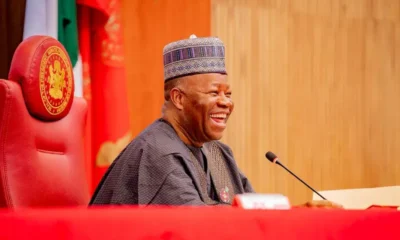
President of the Senate, Godswill Akpabio, described the bill as a major milestone in the country’s fight against malaria, noting that the disease remains one of the most persistent public health challenges facing Nigerians.
Speaking after the bill’s passage, Nwoko expressed optimism that malaria elimination in Nigeria is achievable, stressing that the proposed agency would focus on preventive strategies, including environmental sanitation, waste management, fumigation campaigns and vaccine research.
He said the initiative could place Nigeria on the path to becoming one of Africa’s first malaria-free nations if effectively implemented.
The development comes amid renewed global efforts to combat malaria. Recently, the World Health Organization approved a specially formulated malaria treatment for newborns and infants, marking the first antimalarial medicine designed specifically for the youngest victims of the disease.
The treatment, Artemether-lumefantrine, received WHO prequalification status after meeting international standards for quality, safety and effectiveness.
According to WHO estimates, malaria accounted for about 282 million cases and 610,000 deaths globally in 2024, with Africa bearing approximately 95 per cent of the burden. Children under the age of five accounted for nearly three-quarters of all malaria-related deaths on the continent.
Health experts, however, warn that progress against malaria continues to face challenges, including drug resistance, insecticide resistance, diagnostic limitations and declining international health funding.
If eventually signed into law, the proposed agency is expected to serve as Nigeria’s central institution for coordinating nationwide malaria elimination efforts and accelerating progress toward reducing the disease’s impact on public health and economic development.








NUJ demands justice, fair hearing and protection of press freedom in Farida Isiak’s case

Gov Sule commends DSS over arrests, ammunition recoveries in Nasarawa

FCT Teachers Resume Classes After Suspending Two-Week Strike

Plateau Indigenous Youths Reject Petition Against DSS, Accuse Fulani Groups of Orchestrating ‘Calumny’ to Halt Security Operations

Seven-Year-Old Boy Found Dead After Kidnap, N2.5m Ransom Demand in Jos

Jonathan Urges Nigeria to Boost Local Manufacturing, Reduce Imports

Dele Giwa: Forty Years After The Parcel That Shook Nigeria – By Shu’aibu Usman Leman

BREAKING: FG announces Ebola case in FCT, identifies 44 people for contact tracing

NUJ FCT Chairman Grace Ike Leads Tributes for Younger Brother on His 40th Birthday

If Buhari Could Not End Insecurity, Tinubu Cannot Be Blamed Alone — Yari
BREAKING: FG announces Ebola case in FCT, identifies 44 people for contact tracing
Dele Giwa: Forty Years After The Parcel That Shook Nigeria – By Shu’aibu Usman Leman
NUJ demands justice, fair hearing and protection of press freedom in Farida Isiak’s case
Jonathan Urges Nigeria to Boost Local Manufacturing, Reduce Imports
Seven-Year-Old Boy Found Dead After Kidnap, N2.5m Ransom Demand in Jos
FCT Teachers Resume Classes After Suspending Two-Week Strike
Gov Sule commends DSS over arrests, ammunition recoveries in Nasarawa
Plateau Indigenous Youths Reject Petition Against DSS, Accuse Fulani Groups of Orchestrating ‘Calumny’ to Halt Security Operations
-
 FCT News2 days ago
BREAKING: FG announces Ebola case in FCT, identifies 44 people for contact tracing
-
 Journalism / Human Right1 day ago
Dele Giwa: Forty Years After The Parcel That Shook Nigeria – By Shu’aibu Usman Leman
-
 NUJ FCT2 hours ago
NUJ demands justice, fair hearing and protection of press freedom in Farida Isiak’s case
-
 News1 day ago
Jonathan Urges Nigeria to Boost Local Manufacturing, Reduce Imports
-
 FCT News6 hours ago
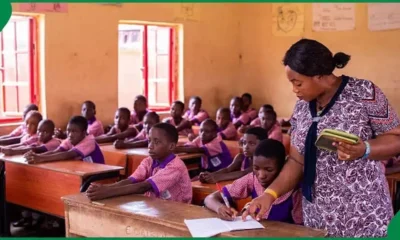
FCT Teachers Resume Classes After Suspending Two-Week Strike
-
 News5 hours ago
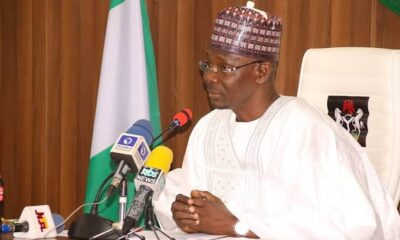
Gov Sule commends DSS over arrests, ammunition recoveries in Nasarawa
-
 News1 day ago
Seven-Year-Old Boy Found Dead After Kidnap, N2.5m Ransom Demand in Jos
-
 NUJ FCT1 day ago
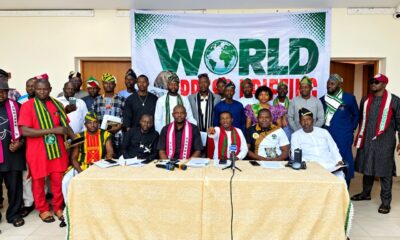
Plateau Indigenous Youths Reject Petition Against DSS, Accuse Fulani Groups of Orchestrating ‘Calumny’ to Halt Security Operations