










National News
Minority Reps stage walk out over manual transmission clause in Electoral Bill

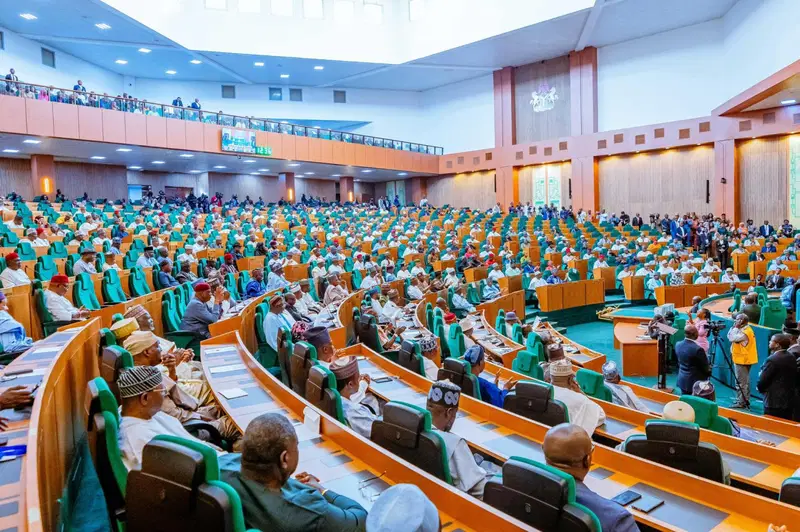
Minority members of the House of Representatives Nigeria on Tuesday staged a dramatic walkout from plenary in protest against the passage of key provisions in the Electoral Act Amendment Bill 2025, accusing the majority of advancing partisan interests over electoral integrity.
The protest followed the adoption of Clause 60(3), which provides for both real-time electronic transmission and manual transmission of election results, as well as Clause 84, which outlines modes of candidate nomination by political parties.
The House had earlier rescinded its December 2025 passage of the amendment bill to correct identified inconsistencies before recommitting it to the Committee of the Whole for clause-by-clause consideration. However, deliberations soon became heated.
On Clause 60(3), Rep. Bamidele Salam moved a motion seeking the deletion of the provision allowing manual transmission of results, arguing that election results should be transmitted electronically without exception. The motion was seconded by Minority Leader, Rep. Kingsley Chinda. When subjected to a voice vote, however, the “nays” prevailed, retaining both manual and electronic transmission in the proposed law.
The decision sparked anger among minority lawmakers, who later exited the chamber to address journalists.
Speaking to reporters, Chinda said the minority could not support any provision that, in its view, creates room for manipulation of election outcomes.
“Our position is that elections shall and should be transmitted electronically. We are against any clause that would give room for micro-manipulation, rigging, or leeway for any untoward act,” he said.
He revealed that the minority had proposed that in the event of any discrepancy between manually collated Form EC8A results and electronically transmitted results, the electronic version should prevail. According to him, that proposal was rejected.
Chinda alleged that members of the majority party voted down the amendment on partisan grounds rather than national interest, adding that the walkout was intended to formally register their objection before the Nigerian public.
The minority caucus also opposed Clause 84, which deals with primary elections and methods of candidate selection by political parties. Chinda maintained that the choice of direct, indirect or consensus primaries should remain strictly an internal affair of political parties, warning that imposing a specific method would amount to undue interference in party administration.
Despite the protest, the House proceeded with the amendments, setting the stage for heightened political debate as the country moves closer to the 2027 general elections.
The development highlights deep partisan divisions within the Green Chamber over the future of Nigeria’s electoral reforms, with the minority vowing to continue mobilising public opinion against provisions it believes could undermine transparency and internal party democracy.
















News4 hours ago
NUJ demands apology from Wike over comment on Journalist Seun Okinbaloye

News4 hours ago
Stray bullet from soldiers’ celebration kills teenager in Maiduguri

News7 hours ago
Arteta rallies Arsenal after shock defeats ahead of Champions League clash

News7 hours ago
ADC coalition ‘no threat’ to APC — Felix Morka

National News21 hours ago
Tinubu approves ₦3.3trn power debt settlement to tackle outages, boost economy

News21 hours ago
Easter Tragedy: 17 feared dead as Herdsmen attack Benue community

News21 hours ago
Easter Celebration: NUJ FCT Chairman Grace Ike urges hope, unity, national renewal

News1 day ago
Otu charges Elders: Stand with me to reclaim Cross River’s oil status

News2 days ago
Easter: Gov Otu urges hope, unity

National News2 days ago
Tinubu commissions Ogun Airport, reaffirms Nigeria’s path to greatness
News21 hours ago
Easter Celebration: NUJ FCT Chairman Grace Ike urges hope, unity, national renewal
National News21 hours ago
Tinubu approves ₦3.3trn power debt settlement to tackle outages, boost economy
News21 hours ago
Easter Tragedy: 17 feared dead as Herdsmen attack Benue community
News7 hours ago
ADC coalition ‘no threat’ to APC — Felix Morka
National News2 days ago
Tinubu commissions Ogun Airport, reaffirms Nigeria’s path to greatness
News2 days ago
Easter: Gov Otu urges hope, unity
News4 hours ago
NUJ demands apology from Wike over comment on Journalist Seun Okinbaloye
News1 day ago
Otu charges Elders: Stand with me to reclaim Cross River’s oil status
News7 hours ago
Arteta rallies Arsenal after shock defeats ahead of Champions League clash
News4 hours ago
Stray bullet from soldiers’ celebration kills teenager in Maiduguri
-
 News21 hours ago
Easter Celebration: NUJ FCT Chairman Grace Ike urges hope, unity, national renewal
-
 News21 hours ago
Easter Tragedy: 17 feared dead as Herdsmen attack Benue community
-
 National News21 hours ago
Tinubu approves ₦3.3trn power debt settlement to tackle outages, boost economy
-
 National News2 days ago
Tinubu commissions Ogun Airport, reaffirms Nigeria’s path to greatness
-
 News2 days ago
Easter: Gov Otu urges hope, unity
-
 News7 hours ago
ADC coalition ‘no threat’ to APC — Felix Morka
-
 News4 hours ago
NUJ demands apology from Wike over comment on Journalist Seun Okinbaloye
-
 News1 day ago
Otu charges Elders: Stand with me to reclaim Cross River’s oil status