







National News
Tinubu signs landmark executive order to channel Oil, Gas revenues directly to federation account

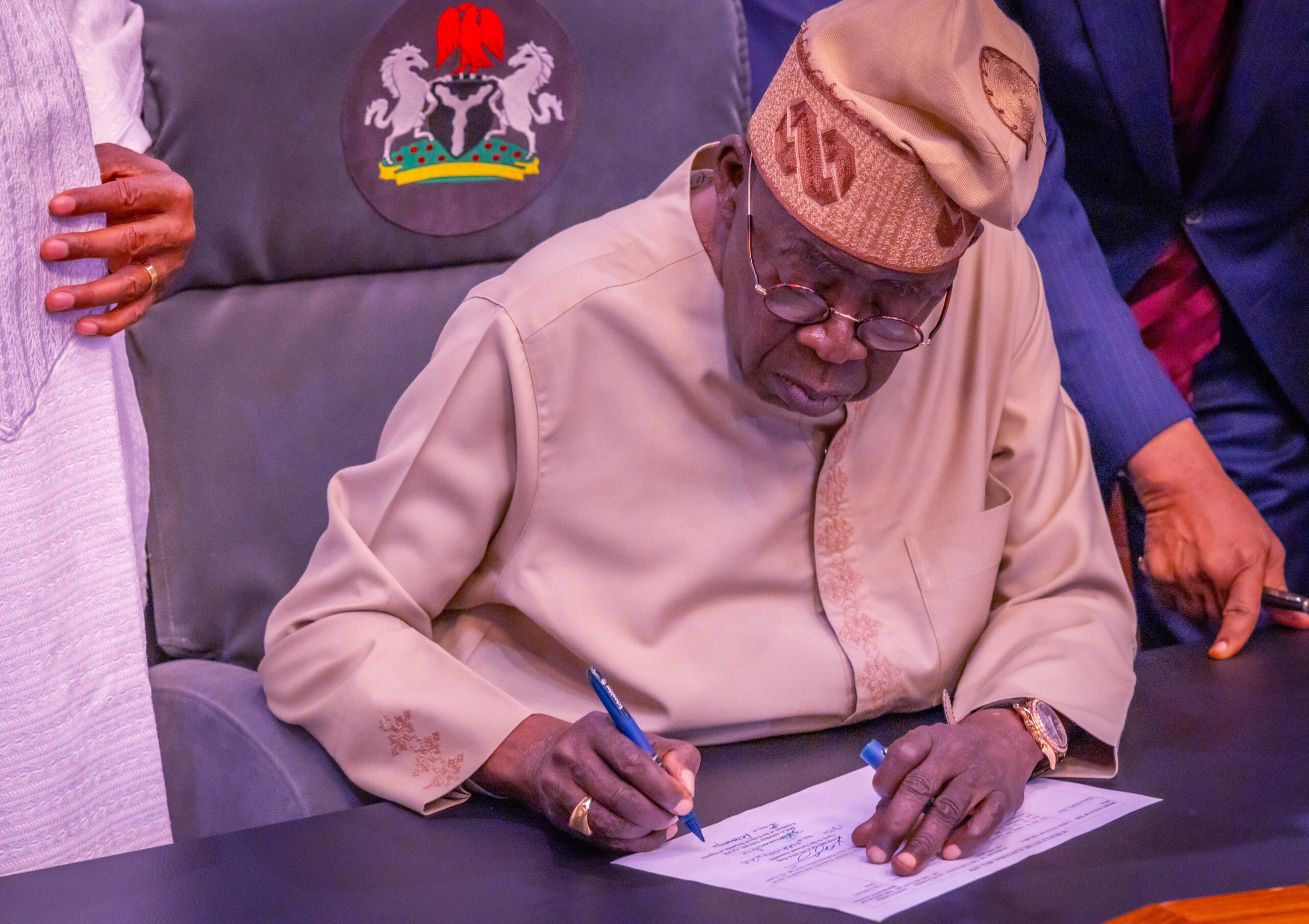
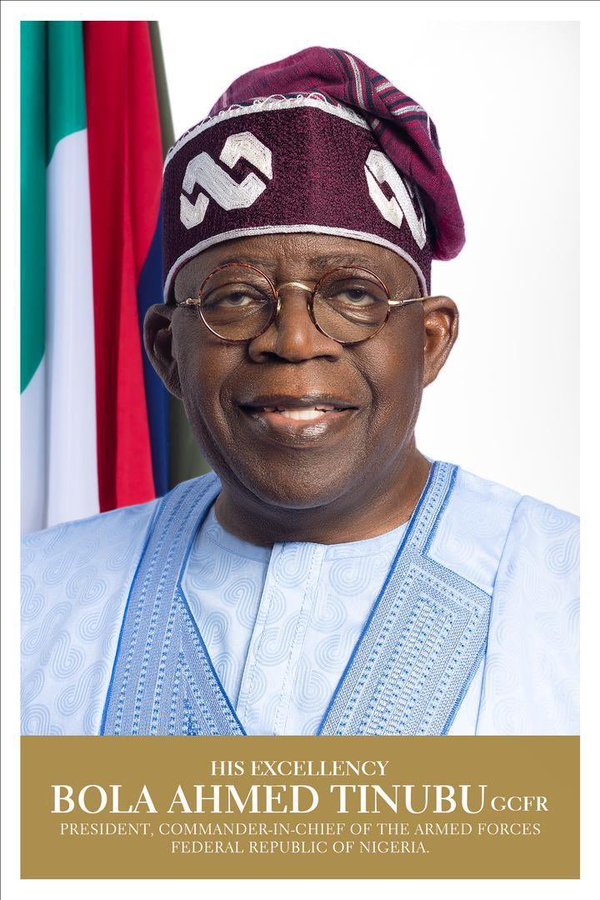
President Bola Tinubu has signed a landmark Executive Order designed to safeguard and maximise Nigeria’s oil and gas revenues, curb wasteful spending, and eliminate duplicative structures in the petroleum sector.
The directive, signed pursuant to Section 5 of the Constitution of the Federal Republic of Nigeria (as amended), seeks to restore the constitutional revenue entitlements of the federal, state, and local governments that were affected by provisions of the 2021 Petroleum Industry Act (PIA).
In a statement issued Wednesday by the Special Adviser to the President on Information and Strategy, Bayo Onanuga, the presidency said the order mandates the direct remittance of key oil and gas revenues into the Federation Account.
Key Changes Under the Order
NNPC Retentions Ended: NNPC Limited will no longer collect the 30% Frontier Exploration Fund or the 30% management fee on profit oil and gas.
Direct Revenue Remittance: Royalty Oil, Tax Oil, Profit Oil, Profit Gas, and other levies due under Production Sharing Contracts will now be paid directly into the Federation Account.
Gas Flare Penalties Redirected: Penalties from gas flaring, previously funding the Midstream and Downstream Gas Infrastructure Fund (MDGIF), will now be remitted to the Federation Account, with MDGIF expenditures subject to public procurement laws.
According to the presidency, the reforms address concerns about multiple deductions that significantly reduced inflows to the Federation Account and ensure that NNPC transitions strictly into a commercial operator, eliminating potential conflicts of interest embedded in the previous framework.
Implementation Structure
To execute the reforms, President Tinubu has constituted:
A joint project team to coordinate integrated petroleum operations.
An Implementation Committee comprising senior officials from the Ministry of Finance, Ministry of Budget and National Planning, Ministry of Justice, Ministry of State for Petroleum Resources, the Nigeria Revenue Service, and the Budget Office of the Federation.
The President emphasised that the reforms are central to strengthening Nigeria’s fiscal stability, ensuring debt sustainability, and increasing resources for national priorities including security, education, healthcare, and energy transition.
He also pledged a comprehensive review of the Petroleum Industry Act in consultation with stakeholders to address remaining fiscal and structural gaps.










News2 hours ago
NSITF ready to align with Lagos on Employees’ Compensation Scheme

News2 hours ago
Easter: NSIFT boss Faleye felicitates staff, commends dedication to duty

News2 hours ago
Cleric distributes rice to members at Easter, preaches love

News3 hours ago
ADC raises alarm over INEC stance, warns of possible exclusion from 2027 elections

News9 hours ago
NUJ demands apology from Wike over comment on Journalist Seun Okinbaloye

News9 hours ago
Stray bullet from soldiers’ celebration kills teenager in Maiduguri

News11 hours ago
Arteta rallies Arsenal after shock defeats ahead of Champions League clash
News12 hours ago
ADC coalition ‘no threat’ to APC — Felix Morka

National News1 day ago
Tinubu approves ₦3.3trn power debt settlement to tackle outages, boost economy

News1 day ago
Easter Tragedy: 17 feared dead as Herdsmen attack Benue community
News9 hours ago
NUJ demands apology from Wike over comment on Journalist Seun Okinbaloye

News1 day ago
Easter Celebration: NUJ FCT Chairman Grace Ike urges hope, unity, national renewal

News1 day ago
Otu charges Elders: Stand with me to reclaim Cross River’s oil status
News1 day ago
Easter Tragedy: 17 feared dead as Herdsmen attack Benue community
National News1 day ago
Tinubu approves ₦3.3trn power debt settlement to tackle outages, boost economy
News12 hours ago
ADC coalition ‘no threat’ to APC — Felix Morka
News2 hours ago
Cleric distributes rice to members at Easter, preaches love

News2 days ago
Easter: Gov Otu urges hope, unity
News9 hours ago
Stray bullet from soldiers’ celebration kills teenager in Maiduguri
News2 hours ago
Easter: NSIFT boss Faleye felicitates staff, commends dedication to duty
-
 News1 day ago
Easter Celebration: NUJ FCT Chairman Grace Ike urges hope, unity, national renewal
-
 News9 hours ago
NUJ demands apology from Wike over comment on Journalist Seun Okinbaloye
-
 News1 day ago
Otu charges Elders: Stand with me to reclaim Cross River’s oil status
-
 News1 day ago
Easter Tragedy: 17 feared dead as Herdsmen attack Benue community
-
 National News1 day ago
Tinubu approves ₦3.3trn power debt settlement to tackle outages, boost economy
-
 News12 hours ago
ADC coalition ‘no threat’ to APC — Felix Morka
-
 News2 hours ago
Cleric distributes rice to members at Easter, preaches love
-
 News2 days ago
Easter: Gov Otu urges hope, unity