
World News
Trump says Iran sought talks as protest crackdown turns deadly

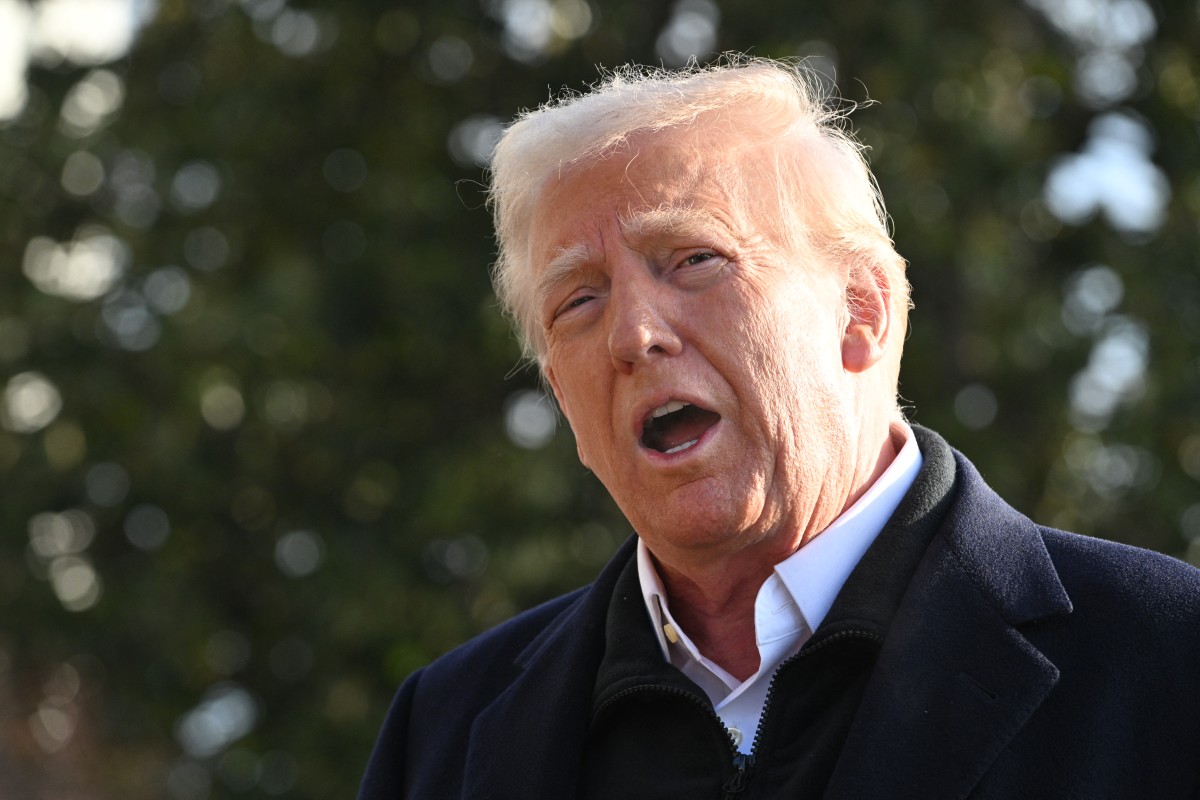
United States President Donald Trump has said Iran’s leadership reached out to him to seek negotiations amid escalating nationwide protests and mounting international concern over a deadly crackdown by security forces.
Trump made the claim on Sunday while speaking to reporters aboard Air Force One, saying Tehran had indicated its willingness to engage in talks after he repeatedly warned that Washington could intervene militarily if Iranian authorities continued killing protesters.
“The leaders of Iran called,” Trump said, adding that “a meeting is being set up… They want to negotiate.”
He, however, cautioned that the United States “may have to act before a meeting,” suggesting that military options remain on the table.
Iran has been gripped by widespread protests for more than two weeks, initially triggered by rising living costs but now evolving into one of the most serious challenges to the country’s theocratic system since the 1979 Islamic Revolution. Despite a heavy internet shutdown, videos emerging from Tehran and other cities show sustained demonstrations and violent confrontations.
Human rights organisations say the death toll has continued to rise sharply. The US-based Center for Human Rights in Iran (CHRI) said it had received credible reports indicating that hundreds of protesters were killed during the current crackdown, describing the situation as “a massacre”.
Norway-based Iran Human Rights (IHR) confirmed at least 192 deaths but warned that the actual number could be far higher. According to the group, unverified reports suggest that several hundred — and possibly more than 2,000 — protesters may have been killed, while over 2,600 arrests have been recorded.
Disturbing footage circulating online on Sunday showed dozens of bodies outside a morgue in Kahrizak, south of Tehran. The video, geolocated by AFP, depicted bodies wrapped in black bags as grieving relatives searched for missing loved ones.
In Tehran, daily life has been severely disrupted. An AFP journalist described the capital as being in near paralysis, with food prices soaring, shops closing early, and heavy security deployments each evening. Although fewer protest videos appeared online on Sunday, it was unclear whether this reflected a decline in demonstrations or the impact of internet restrictions.
Iranian state media has attempted to project calm, broadcasting images of flowing traffic and quoting Tehran Governor Mohammad-Sadegh Motamedian as saying protests were decreasing. Authorities have declared three days of national mourning for security personnel killed during the unrest, while President Masoud Pezeshkian called for a “national resistance march” to denounce violence.
Iran’s parliament speaker, Mohammad Bagher Ghalibaf, responded sharply to Trump’s threats, warning that US military forces and shipping would be considered “legitimate targets” if Washington intervenes.
Meanwhile, Reza Pahlavi, the US-based son of Iran’s last shah, has emerged as a prominent opposition voice, declaring his readiness to return to Iran and lead a democratic transition. He urged security forces and government workers to side with protesters, warning against complicity in violence.
Support for the demonstrations has spread globally, with protesters in London over the weekend replacing the Iranian embassy flag with the pre-revolution national flag — a symbol increasingly adopted by opposition supporters worldwide.











Free Internet for Learning: NCC launches zero-rated educational data initiative

CBN Africa trains over 30 Journalists in TV Production, AI Skills

Katsina Vaccinates 150,346 People in Five Days as Diphtheria Outbreak Response Intensifies

53-Year-Old Woman Jailed One Month for Dumping Refuse in Lagos Drain

Former SSS DG, Pioneer NIA DG Albert Horsfall Dies

2027: Obi Supporters to Track Election Results From Polling Units to Abuja — Yesufu

Two FUTO Female Students Abducted in Owerri Regain Freedom

National Assembly Suspends Official Visits to South Africa Over Xenophobic Attacks

Julius Berger, Lagos State outline path to $1 Trillion economy through long-term value creation

Bago Approves Two Tranches of Funds for Ward Development Projects Across 274 Wards

2027: ‘I’m NDC, Not Obidient or Kwankwasiyya’ — Dickson
Bago Approves Two Tranches of Funds for Ward Development Projects Across 274 Wards
Julius Berger, Lagos State outline path to $1 Trillion economy through long-term value creation
Two FUTO Female Students Abducted in Owerri Regain Freedom

2027: Obi Denies Rejecting Atiku’s Running Mate Offer

Trump Promises $5,000 ‘Dividend’ to Americans if Republicans Win Congress

Sultan Directs Muslims to Search for Rabi’ al-Thani Crescent on September 11
National Assembly Suspends Official Visits to South Africa Over Xenophobic Attacks

2027: Obi Vows to Accept Defeat if Election Is Free, Fair, Credible
Katsina Vaccinates 150,346 People in Five Days as Diphtheria Outbreak Response Intensifies
-
 News2 days ago
2027: ‘I’m NDC, Not Obidient or Kwankwasiyya’ — Dickson
-
 News1 day ago
Bago Approves Two Tranches of Funds for Ward Development Projects Across 274 Wards
-
 News24 hours ago
Julius Berger, Lagos State outline path to $1 Trillion economy through long-term value creation
-
 News19 hours ago
Two FUTO Female Students Abducted in Owerri Regain Freedom
-
 News2 days ago
2027: Obi Denies Rejecting Atiku’s Running Mate Offer
-
 World News2 days ago
Trump Promises $5,000 ‘Dividend’ to Americans if Republicans Win Congress
-
 News2 days ago
Sultan Directs Muslims to Search for Rabi’ al-Thani Crescent on September 11
-
 News19 hours ago
National Assembly Suspends Official Visits to South Africa Over Xenophobic Attacks