
News
NUJ links malnutrition, drug abuse, foreign media influx to rising insecurity in Nigeria

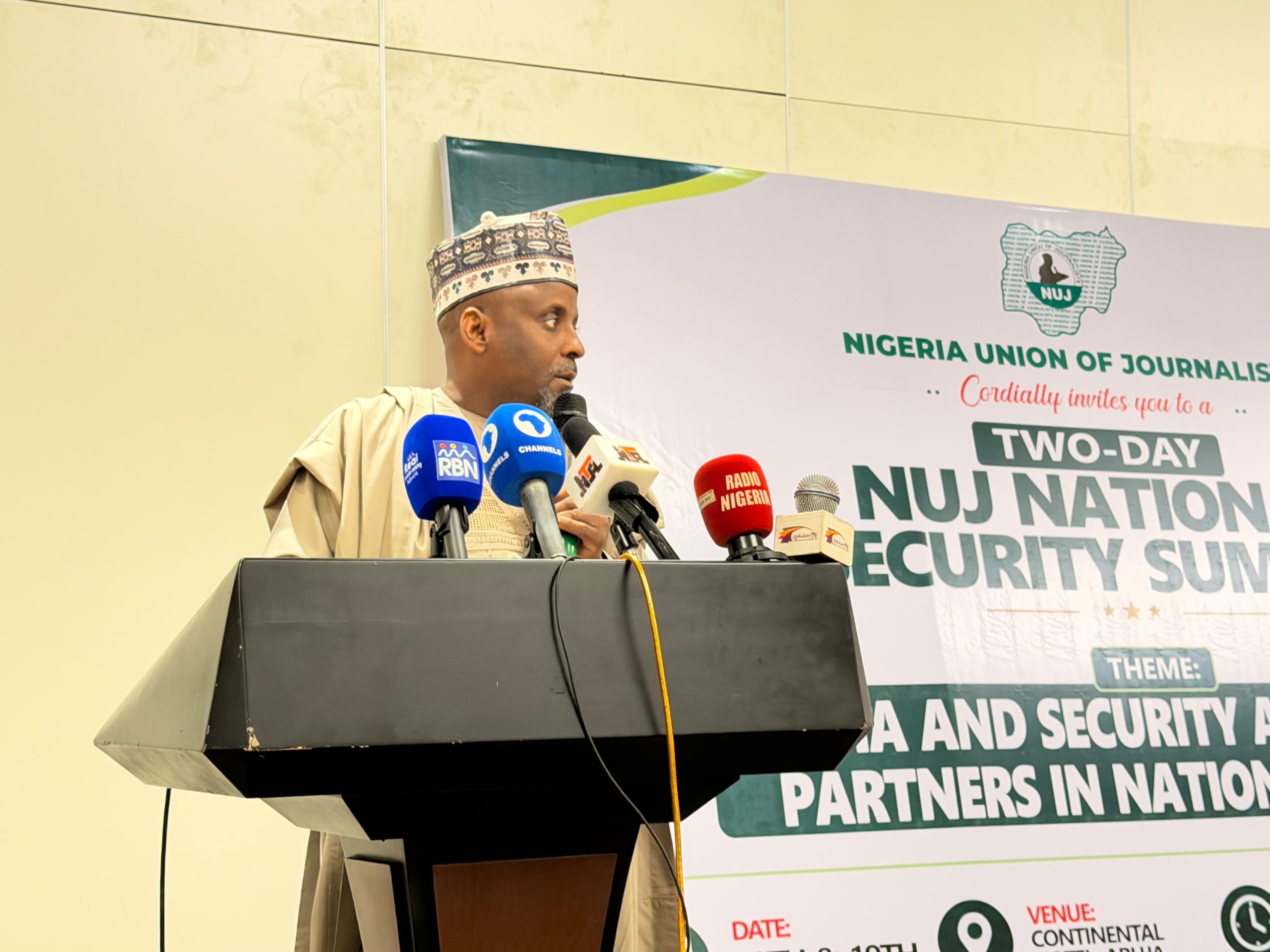
The Nigeria Union of Journalists (NUJ) has raised fresh concerns over emerging social and structural factors it says are contributing to insecurity in the country, including malnutrition, drug abuse, and the unchecked influx of foreigners into Nigeria’s media space.
The NUJ National President, Comrade Alhassan Yahaya Abdullahi, made the remarks on Friday at a two-day National Security Summit organised by the NUJ in collaboration with the Department of State Services (DSS) in Abuja.
The summit, themed “Media and Security Agencies as Partners in Nation Building,” brought together journalists, security experts, and former military spokespersons to explore stronger collaboration in addressing Nigeria’s security challenges.
Abdullahi said journalists must continue to prioritise national security and development issues in their reporting, stressing that the media has a responsibility to support efforts aimed at safeguarding the country. He expressed concern over what he described as the increasing presence of foreigners in Nigeria’s media environment, saying it raises security implications that require policy attention and closer monitoring.
He also pointed to malnutrition as an overlooked driver of insecurity, arguing that its long-term effects on child development have consequences for national stability and productivity. According to him, children affected by malnutrition often suffer stunted growth and reduced cognitive capacity, which ultimately impacts society.
Drug abuse, he added, remains another major threat, citing alarming data presented at the summit and warning that substance addiction among young Nigerians is increasingly linked to criminality and violent behaviour.
“The figures are alarming and worrisome… this should be a matter of serious concern for all of us because of its implications for crime and insecurity,” he said.
He urged stronger collaboration between journalists and security agencies, saying both institutions must work together to improve public understanding of security issues and promote national cohesion.
In a related presentation, President of the International Press Institute (IPI), Musikilu Mojeed, called for dialogue-based solutions to disputes between the media and government institutions, rather than coercive measures. He said many disagreements could be resolved through structured engagement and correction mechanisms, without arrests or intimidation.
Mojeed cited past incidents involving security agencies and media organisations, noting that clarification and engagement often help resolve misunderstandings.
Former Director of Defence Information, Maj.-Gen. Chris Olukolade (rtd.), also stressed the importance of communication, recalling past military operations where intelligence concerns led to media-related searches but were later resolved through dialogue.
He said the experience demonstrated that engagement remains the most effective tool for managing tensions between the press and security institutions.
Similarly, former Director of Naval Information, Commodore Kabir Aliyu (rtd.), described the media as strategic partners in national security, arguing that effective communication enhances operational success and public trust.
Former NUJ President, Chris Isiguzo, however, cautioned journalists against publishing sensitive security information that could be exploited by criminal groups, urging responsible and cautious reporting.
The summit ended with renewed calls for stronger cooperation between the media and security agencies, with participants agreeing that sustained dialogue is key to managing Nigeria’s complex security environment.




Customs emerge champions of NUJ FCT football tournament

Tinubu to Nigerians: Give Us More Opportunity to Finish the Good Work

Lagos Police Begin Disciplinary Action Against Inspector Over Viral Video

Four Killed as Armed Men Attack Two Niger Communities

Rivers Assembly Issues Arrest Warrant for PAMO VC Over N29bn Funds

Super Eagles Beat Madagascar 2-1 in AFCON 2027 Qualifier
Tinubu Unveils $7bn Ogun Deep Seaport, Blue Marine Economic Zone Investment

Peter Obi Again Denies Borrowing, Issuing Bonds During Eight Years as Anambra Governor

Moghalu Disowns Atiku Campaign Appointment, Says He Was Not Consulted

Ghanaian Lawmaker Sosu Collapses on Stage During Speech
Super Eagles Beat Madagascar 2-1 in AFCON 2027 Qualifier
Rivers Assembly Issues Arrest Warrant for PAMO VC Over N29bn Funds
Lagos Police Begin Disciplinary Action Against Inspector Over Viral Video
Tinubu to Nigerians: Give Us More Opportunity to Finish the Good Work
Four Killed as Armed Men Attack Two Niger Communities
Customs emerge champions of NUJ FCT football tournament
-
 Sports1 day ago
Super Eagles Beat Madagascar 2-1 in AFCON 2027 Qualifier
-
 News1 day ago
Rivers Assembly Issues Arrest Warrant for PAMO VC Over N29bn Funds
-
 News1 day ago
Lagos Police Begin Disciplinary Action Against Inspector Over Viral Video
-
 National News1 day ago
Tinubu to Nigerians: Give Us More Opportunity to Finish the Good Work
-
 News1 day ago
Four Killed as Armed Men Attack Two Niger Communities
-
 NUJ FCT26 minutes ago
Customs emerge champions of NUJ FCT football tournament