







News
Cervical Cancer in Africa: WHO highlights major progress, calls for stronger action in 2025


As the world marks World Cervical Cancer Elimination Day 2025, the World Health Organization, WHO, has renewed its call for urgent and sustained action to eliminate one of the most preventable yet deadly diseases affecting women across the continent.
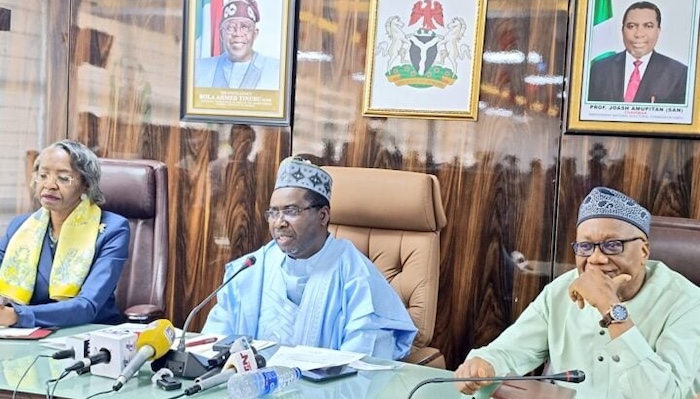
In a message, the WHO’s Regional Director for Africa, Dr. Mohamed Janabi highlighted that cervical cancer remained one of the leading causes of cancer-related deaths among African women, despite being highly preventable through HPV vaccination, regular screening, and timely treatment.
Dr. Janabi stressed that with existing medical tools, the elimination of cervical cancer would be within reach, if countries could ensure equitable access for every girl and woman, regardless of location or income.
According to the WHO Regional Director, progress has accelerated across the continent as thirty-two Member States had already introduced HPV vaccines into their national immunization programs, reaching nearly half of all eligible girls.
He mentioned that several more countries had adopted the vaccine in 2025, and at least eight additional nations were expected to integrate it into their health systems by 2026.
“Each introduction represents protection—not just against a virus, but against loss, suffering, and lives cut short too soon,” Dr. Janabi stated.
Dr. Janabi also underscored the impact of the Women’s Integrated Cancer Services (WICS) initiative, which would help countries incorporate cervical and breast cancer screening into primary health care.
He credited the achievements to strong partnerships, adding the collaboration with UN agencies, including the International Atomic Energy Agency and the International Agency for Research on Cancer, to support national cancer control assessments and planning.
“With support from global partners such as the Government of Spain, WHO is helping African countries strengthen their healthcare systems by updating national cancer control plans, training frontline health workers, and supplying essential equipment for treating pre-cancerous lesions.”
Despite the progress, Dr. Janabi cautioned that a lot needed to be done as many women still lack access to life-saving screening, diagnosis, and treatment, while health systems remain under-resourced.
He called on African governments to accelerate action under the three pillars of the Global Strategy for Cervical Cancer Elimination such as Vaccination, Screening and Treatment.
Dr. Janabi urged leaders to place women’s health and rights at the core of universal health coverage.
Concluding his message, the WHO Regional Director expressed hope that with sustained commitment and collaboration, Africa could still achieve a future free of cervical cancer, one where every woman has access to protection, care, and dignity.





News13 hours ago
NAF launches investigation into alleged civilian casualties in Jilli airstrike

News1 day ago
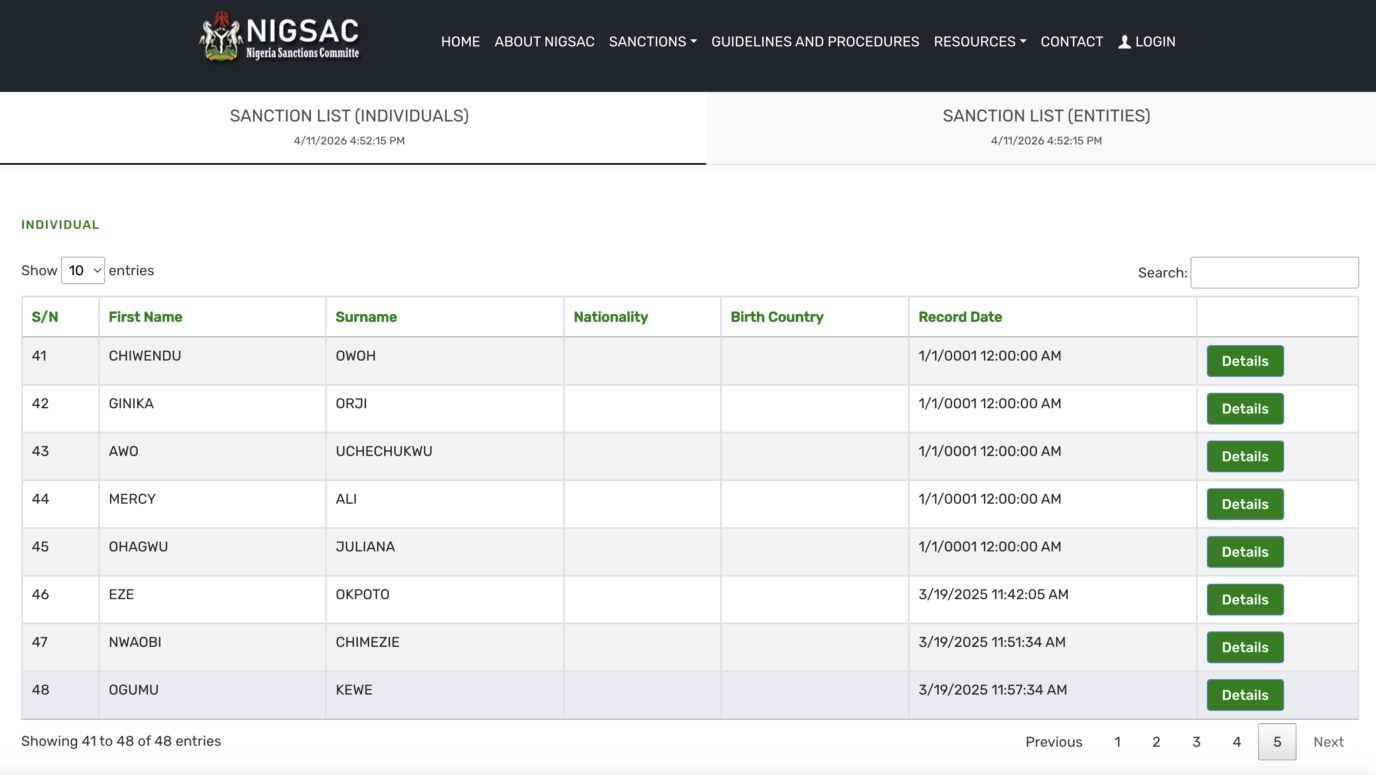
FG publishes updated list of 48 individuals, groups over terrorism sponsorship allegations (Full List)

News1 day ago
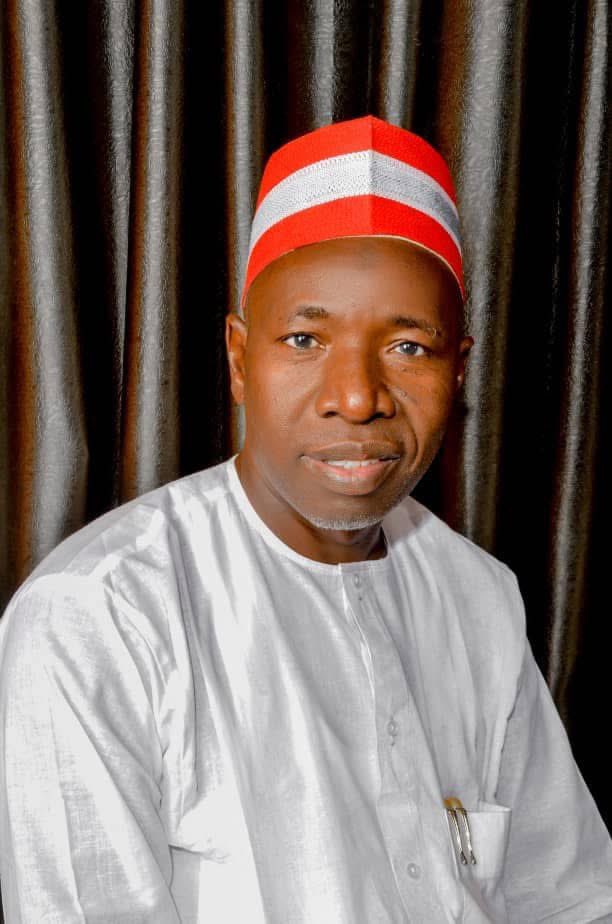
Reps Member Muhammad Danjuma Hassan dies at 66

Feature2 days ago
Celebrating Hon Emmanuel Ironbar: An exceptional leader with the Midas Touch

News2 days ago
Transcorp Hilton debunks ADC’s allegation of venue booking cancellation

News2 days ago
INEC postpones nationwide voter revalidation exercise until after 2027 elections

National News2 days ago
Tinubu acknowledges economic hardship, urges Nigerians to stay hopeful

News2 days ago
Court convicts 386 terrorism suspects in four-day mass trial, jails them up to life imprisonment

News3 days ago
ADC in disarray, lacks structure to survive crisis — Bwala

Sports3 days ago
Africa’s Referee representatives for 2026 World Cup announced (Full List)
Feature2 days ago
Celebrating Hon Emmanuel Ironbar: An exceptional leader with the Midas Touch
News2 days ago
Transcorp Hilton debunks ADC’s allegation of venue booking cancellation
News1 day ago
Reps Member Muhammad Danjuma Hassan dies at 66
News1 day ago
FG publishes updated list of 48 individuals, groups over terrorism sponsorship allegations (Full List)
News13 hours ago
NAF launches investigation into alleged civilian casualties in Jilli airstrike
-
 Feature2 days ago
Celebrating Hon Emmanuel Ironbar: An exceptional leader with the Midas Touch
-
 News2 days ago
Transcorp Hilton debunks ADC’s allegation of venue booking cancellation
-
 News1 day ago
Reps Member Muhammad Danjuma Hassan dies at 66
-
 News1 day ago
FG publishes updated list of 48 individuals, groups over terrorism sponsorship allegations (Full List)
-
 News13 hours ago
NAF launches investigation into alleged civilian casualties in Jilli airstrike