
NUJ FCT
NUJ urges stakeholders to prioritise training for education Journalists

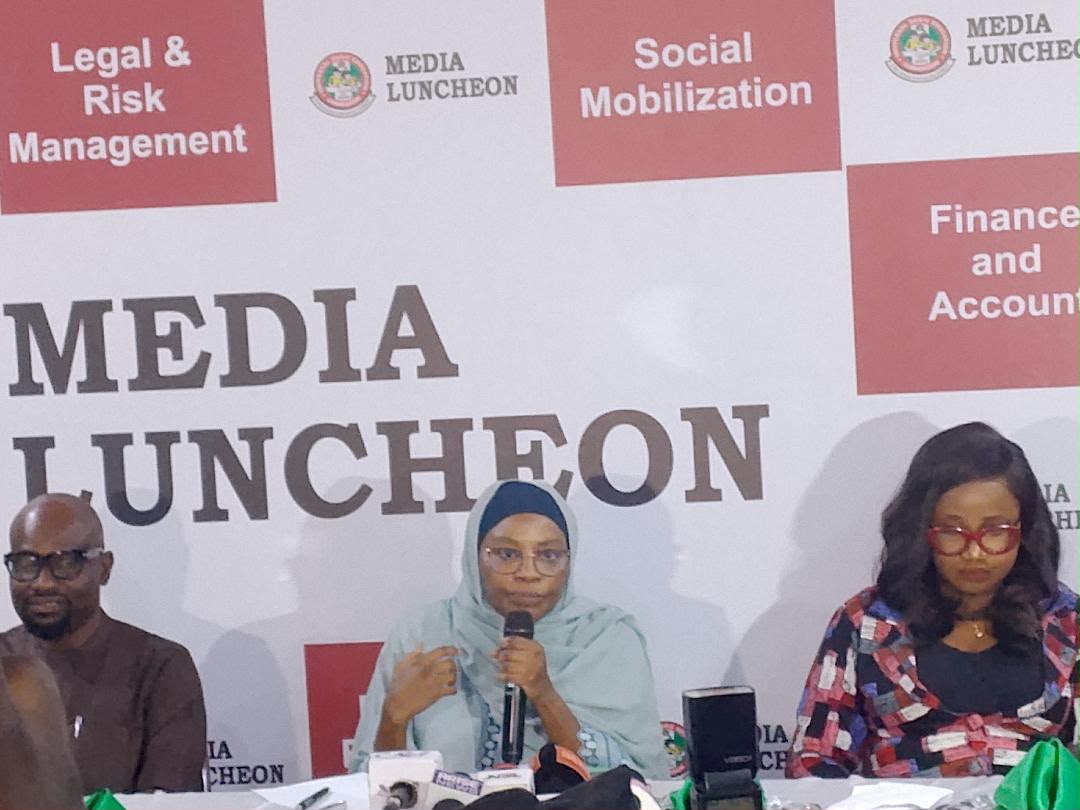
The Chairman of the Nigeria Union of Journalists (NUJ), FCT Council, Grace Ike, has called on the Universal Basic Education Commission (UBEC) to institutionalise regular media briefings and strengthen the capacity of education correspondents through continuous training and field engagements.
Speaking at UBEC’s maiden media luncheon in Abuja, Ike commended the Commission for establishing a Public Communications Department, describing the move as a demonstration of its commitment to transparency, accountability and collaboration with the media.
She advised public institutions to cultivate lasting relationships with journalists before crises arise, rather than engaging the media only when faced with challenges.
> “I often tell public office holders that relationships with journalists should not begin only when there is a crisis. Regular interactions such as this demonstrate genuine collaboration and show that the media is valued and recognised as a partner in progress,” she said.
The NUJ chairman praised the Executive Secretary of UBEC, Dr. Aisha Garba, for prioritising strategic communication, saying the creation of a dedicated communications department represented another milestone in the Commission’s ongoing reforms.
According to her, effective communication is indispensable to public service delivery, stressing that the education sector deserves sustained media attention because it remains the foundation of national development.
She urged government agencies to regard journalists as development partners rather than adversaries.
> “As journalists, we are not merely storytellers. We investigate, amplify issues of public interest, expose gaps where necessary and help hold duty bearers accountable. That is why government institutions should always see the media as partners rather than adversaries,” she stated.
Ike said regular engagement between agencies such as UBEC and the media would promote accurate reporting, reduce misinformation and foster constructive collaboration that ultimately benefits learners, teachers and parents.
She further urged UBEC to sustain the initiative by making media briefings a regular feature while ensuring journalists have timely access to information, education data, schools and key officials.
The NUJ chairman also advocated continuous capacity-building programmes for education correspondents, particularly in areas such as education data interpretation, monitoring school infrastructure projects, child-sensitive reporting and the protection of minors in the media.
She recommended that such training should extend beyond Abuja to include field visits to project sites nationwide, enabling journalists to independently verify projects and produce evidence-based reports.
Ike also called for greater transparency in project implementation and procurement processes to reduce misinformation and strengthen public confidence in government interventions. She urged UBEC to consider introducing investigative journalism fellowships or grants to encourage in-depth reporting on critical issues affecting Nigeria’s basic education sector.
She added that establishing an effective feedback mechanism between the Commission and journalists would enhance trust and ensure prompt responses to media enquiries.
Commending Dr. Garba’s presentation during the event, Ike described the UBEC Executive Secretary as “humble, composed, confident and data-driven,” noting that she delivered her presentation without relying on prepared notes while presenting facts and figures with remarkable clarity.
She expressed optimism that the maiden media luncheon would mark the beginning of a stronger and more productive partnership between UBEC and education correspondents in advancing quality basic education across Nigeria.








Ebola: FG Orders Nationwide Awareness Campaign After Reported Case in Abuja

Sultan of Sokoto Meets Tinubu, Prays for Peaceful Elections

NEC Endorses 90-Day Plan to Ease Cost of Living, Targets Single-Digit Inflation

JUST-IN: Tinubu Appoints Ex-DSS DG Bichi to Lead NISS Governing Board

NUJ demands justice, fair hearing and protection of press freedom in Farida Isiak’s case

Gov Sule commends DSS over arrests, ammunition recoveries in Nasarawa

FCT Teachers Resume Classes After Suspending Two-Week Strike

Plateau Indigenous Youths Reject Petition Against DSS, Accuse Fulani Groups of Orchestrating ‘Calumny’ to Halt Security Operations

Seven-Year-Old Boy Found Dead After Kidnap, N2.5m Ransom Demand in Jos

Jonathan Urges Nigeria to Boost Local Manufacturing, Reduce Imports

Dele Giwa: Forty Years After The Parcel That Shook Nigeria – By Shu’aibu Usman Leman
Gov Sule commends DSS over arrests, ammunition recoveries in Nasarawa
NUJ demands justice, fair hearing and protection of press freedom in Farida Isiak’s case
Jonathan Urges Nigeria to Boost Local Manufacturing, Reduce Imports
Seven-Year-Old Boy Found Dead After Kidnap, N2.5m Ransom Demand in Jos
FCT Teachers Resume Classes After Suspending Two-Week Strike
NEC Endorses 90-Day Plan to Ease Cost of Living, Targets Single-Digit Inflation
Plateau Indigenous Youths Reject Petition Against DSS, Accuse Fulani Groups of Orchestrating ‘Calumny’ to Halt Security Operations
JUST-IN: Tinubu Appoints Ex-DSS DG Bichi to Lead NISS Governing Board
Sultan of Sokoto Meets Tinubu, Prays for Peaceful Elections
-
 Journalism / Human Right2 days ago
Dele Giwa: Forty Years After The Parcel That Shook Nigeria – By Shu’aibu Usman Leman
-
 News17 hours ago
Gov Sule commends DSS over arrests, ammunition recoveries in Nasarawa
-
 News2 days ago
Jonathan Urges Nigeria to Boost Local Manufacturing, Reduce Imports
-
 NUJ FCT15 hours ago
NUJ demands justice, fair hearing and protection of press freedom in Farida Isiak’s case
-
 News2 days ago
Seven-Year-Old Boy Found Dead After Kidnap, N2.5m Ransom Demand in Jos
-
 FCT News19 hours ago
FCT Teachers Resume Classes After Suspending Two-Week Strike
-
 National News6 hours ago
NEC Endorses 90-Day Plan to Ease Cost of Living, Targets Single-Digit Inflation
-
 NUJ FCT2 days ago
Plateau Indigenous Youths Reject Petition Against DSS, Accuse Fulani Groups of Orchestrating ‘Calumny’ to Halt Security Operations