
Feature
Zaria declaration: Stakeholders urge NASS to regulate constituency projects, push LG autonomy

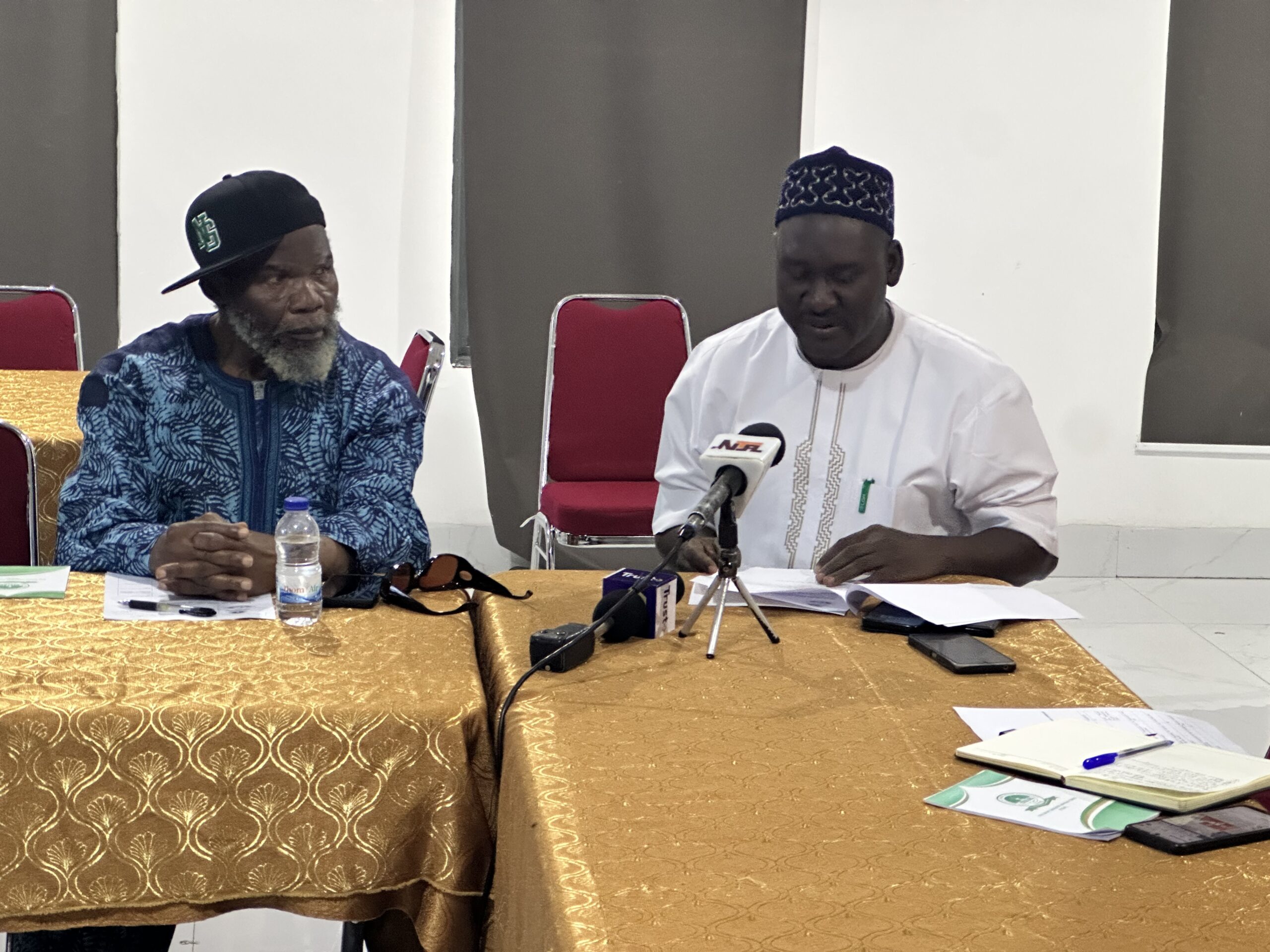
Stakeholders have called on the National Assembly to establish a robust legal framework to regulate constituency projects, ensure transparency and promote sustainability.
Speaking at a roundtable in Abuja, which focused on implementing the Zaria Declaration and strengthening Local Government autonomy, the Executive Director of Civil Society Legislative Advocacy Center, CISLAC, Mr. Auwal Rafsanjani
expressed worry on the current state of constituency projects that had been left abandoned and unaccounted for.
Mr Rafsanjani further explained that essence of the meeting was aimed at implementing the recommendations of the Zaria Declaration to overhaul Nigeria’s fragmented local governance structures and rejuvenate traditional institutions.
Rafsanjani noted that trillions of naira had been wasted on abandoned projects due to lack of prioritization, need assessment, and proper handover.
“Without decisive laws, trillions of naira risk being wasted on abandoned projects, deepening grassroots underdevelopment. Some members say they repair mosques or churches, others take people on pilgrimages, while some build roads where the community actually wants water on the basis of constituency projects,” Rafsanjani said.
He warned against personalizing public projects and called for synergy between constituency projects and local governments to enable public tracking of spending.
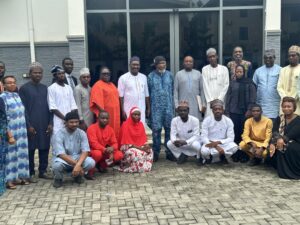
Another participant from the Department of Local Government and Developmental Studies, Amhadu Bello University, Zaria, Professor Dalhatu Jummal, recommended clear maintenance plan and proper coordination approach as prerequisites for completed constituency projects.
“If we are serious about solving poverty, insecurity, exclusion, and inequality in Nigeria, we must begin from the grassroots. We must dismantle the structures of elite capture and revive local governments as engines of development, service delivery, and democratic participation. We must reposition traditional authorities as respected partners in governance, not relics sidelined by modern state structures.”
Acting Director of Democracy and Governance at the National Institute for Legislative and Democratic Studies, NILDS, Dr. Christopher Ngara, said local government budgets were often rubber-stamped without proper legislative oversight and emphasised the need to balance local government financial autonomy with mechanisms for oversight to prevent abuse of resources.




BREAKING: Veteran Nollywood Actor Francis Duru Dies at 57

Ebola: FG Orders Nationwide Awareness Campaign After Reported Case in Abuja

Sultan of Sokoto Meets Tinubu, Prays for Peaceful Elections

NEC Endorses 90-Day Plan to Ease Cost of Living, Targets Single-Digit Inflation

JUST-IN: Tinubu Appoints Ex-DSS DG Bichi to Lead NISS Governing Board

NUJ demands justice, fair hearing and protection of press freedom in Farida Isiak’s case

Gov Sule commends DSS over arrests, ammunition recoveries in Nasarawa

FCT Teachers Resume Classes After Suspending Two-Week Strike

Plateau Indigenous Youths Reject Petition Against DSS, Accuse Fulani Groups of Orchestrating ‘Calumny’ to Halt Security Operations

Seven-Year-Old Boy Found Dead After Kidnap, N2.5m Ransom Demand in Jos
Gov Sule commends DSS over arrests, ammunition recoveries in Nasarawa
NEC Endorses 90-Day Plan to Ease Cost of Living, Targets Single-Digit Inflation

Jonathan Urges Nigeria to Boost Local Manufacturing, Reduce Imports
FCT Teachers Resume Classes After Suspending Two-Week Strike
NUJ demands justice, fair hearing and protection of press freedom in Farida Isiak’s case
Seven-Year-Old Boy Found Dead After Kidnap, N2.5m Ransom Demand in Jos
JUST-IN: Tinubu Appoints Ex-DSS DG Bichi to Lead NISS Governing Board
Plateau Indigenous Youths Reject Petition Against DSS, Accuse Fulani Groups of Orchestrating ‘Calumny’ to Halt Security Operations
Sultan of Sokoto Meets Tinubu, Prays for Peaceful Elections
Ebola: FG Orders Nationwide Awareness Campaign After Reported Case in Abuja
-
 News23 hours ago
Gov Sule commends DSS over arrests, ammunition recoveries in Nasarawa
-
 NUJ FCT21 hours ago
NUJ demands justice, fair hearing and protection of press freedom in Farida Isiak’s case
-
 National News12 hours ago
NEC Endorses 90-Day Plan to Ease Cost of Living, Targets Single-Digit Inflation
-
 News2 days ago
Jonathan Urges Nigeria to Boost Local Manufacturing, Reduce Imports
-
 FCT News1 day ago
FCT Teachers Resume Classes After Suspending Two-Week Strike
-
 National News12 hours ago
JUST-IN: Tinubu Appoints Ex-DSS DG Bichi to Lead NISS Governing Board
-
 News2 days ago
Seven-Year-Old Boy Found Dead After Kidnap, N2.5m Ransom Demand in Jos
-
 NUJ FCT2 days ago
Plateau Indigenous Youths Reject Petition Against DSS, Accuse Fulani Groups of Orchestrating ‘Calumny’ to Halt Security Operations