
National News
FG unveils fresh Agric incentives, targets 21 Million jobs amid rising food insecurity

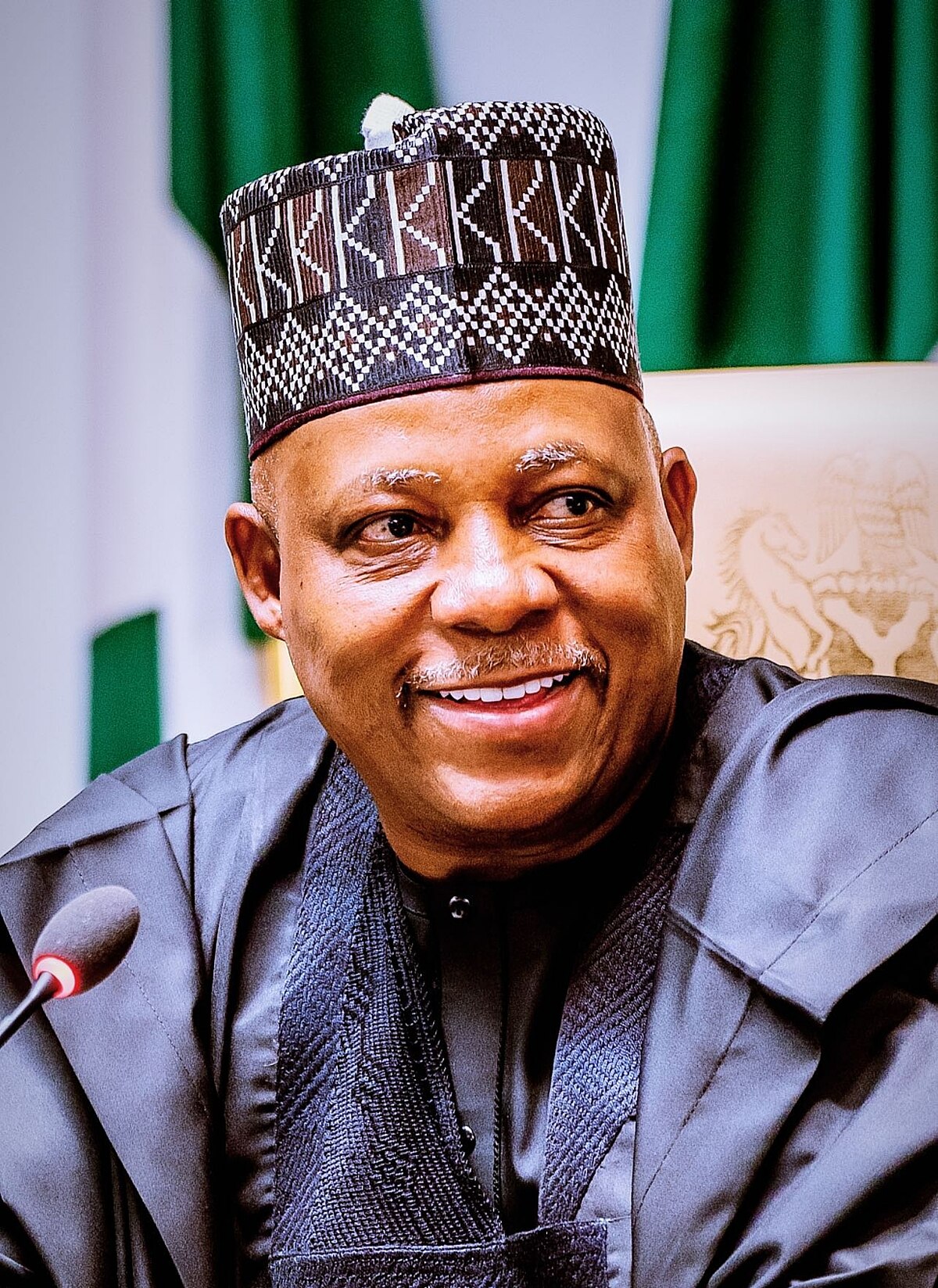
The Federal Government has rolled out new agricultural investment incentives aimed at creating 21 million jobs, boosting food security, and cutting Nigeria’s dependence on imports.
Vice President Kashim Shettima unveiled the package on Tuesday at the FAO’s Hand-in-Hand Investment Forum in Abuja, describing hunger as “the great equaliser that reveals our vulnerabilities.”
According to a statement by his media aide, Stanley Nkwocha, the incentives include a single-window platform for land registration, improved access to agricultural credit, large-scale mechanisation, and strategic irrigation projects. Shettima said Nigeria has the capacity to irrigate more than three million hectares of farmland but currently uses less than 10 percent of that potential.
“Strategic investment in irrigation alone could triple yields, free us from seasonal dependency, and fortify our resilience against climate shocks,” the VP said, adding that Nigeria’s development plan seeks to lift 35 million people out of poverty and create 21 million rural jobs.
He assured investors of regulatory reforms, public-private partnerships, and agri-tech innovations, stressing that “Nigeria is open for business.”
Agriculture Minister Abubakar Kyari highlighted Nigeria’s arable land, climate, and expanding digital economy as unique opportunities for investment, while Budget and Economic Planning Minister Atiku Bagudu said the country’s vast potential in irrigation and agribusiness remains untapped.
International partners also expressed support. The FAO’s Nigeria/ECOWAS representative, Dr Hussein Gadain, described Nigeria’s agricultural priorities as “catalysts for transformative growth,” while EU Ambassador Gautier Mignot reaffirmed the bloc’s commitment with an €80 million investment in value chains across seven states.
However, farmers urged the government to move beyond promises. AFAN President Kabir Kebram stressed that “policy without implementation will yield no results,” while Peter Dama of the Competitive African Rice Forum cautioned against “a cycle of promises without delivery.”
The Small-Scale Women Farmers Organisation of Nigeria (SWOFON) also criticised the lack of impact on smallholder women farmers, noting that interventions such as loans, access to land, and inclusion in policy have not been effectively implemented. SWOFON Secretary Chinasa Asonye lamented that Nigeria spends less than 2 percent of its budget on agriculture, far below the 10 percent commitment under the Malabo Declaration.
She added that initiatives like the school feeding programme once supported smallholder farmers but are no longer yielding benefits. “We will continue to talk, we will continue to tell them our issues, and probably one day the government will listen,” she said.


















NUJ FCT Felicitates Dr. Adedayo Benjamins‑Laniyi on Birthday, Commends Advocacy for Women’s Leadership in Media

Tinubu Woos Investors for 65 Projects Seeking $78.5bn in Funding

Tinubu Nominates Six INEC Officials Ahead of 2027 General Elections

Real Madrid Demands Tebas’ Resignation Over Goebbels Propaganda Comparison

Onanuga Defends Tinubu’s Economic Record, Says Rice Now Sells Below ₦50,000

NSIB investigates after Triton Aviation aircraft loses door in flight

Niger Governor Bago Visits Abdulsalami Abubakar, Sani Musa, Prays for Their Recovery

GSG hails Sen Odey on appointment as DG of Cross River APC Campaign Council

President’s assent: Rep. Amos hails Speaker Abbas as Kaduna Polytechnic becomes University

FRCN, Chinese Embassy, NUJ FCT hail ‘Ni Hao! China’ as bridge of Nigeria–China friendship
President’s assent: Rep. Amos hails Speaker Abbas as Kaduna Polytechnic becomes University

NSITF Boss Seeks Stronger Inter-Agency Collaboration to Improve Workers’ Welfare
FRCN, Chinese Embassy, NUJ FCT hail ‘Ni Hao! China’ as bridge of Nigeria–China friendship

Kogi Govt reaffirms commitment to Girls’ Education, vows to tackle Child Marriage

Kogi AGILE moves to strengthen digital literacy as project opens bids for education intervention
Real Madrid Demands Tebas’ Resignation Over Goebbels Propaganda Comparison
GSG hails Sen Odey on appointment as DG of Cross River APC Campaign Council
NSIB investigates after Triton Aviation aircraft loses door in flight
Onanuga Defends Tinubu’s Economic Record, Says Rice Now Sells Below ₦50,000
Tinubu Nominates Six INEC Officials Ahead of 2027 General Elections
-
 News1 day ago
President’s assent: Rep. Amos hails Speaker Abbas as Kaduna Polytechnic becomes University
-
 News2 days ago
NSITF Boss Seeks Stronger Inter-Agency Collaboration to Improve Workers’ Welfare
-
 News1 day ago
FRCN, Chinese Embassy, NUJ FCT hail ‘Ni Hao! China’ as bridge of Nigeria–China friendship
-
 News2 days ago
Kogi Govt reaffirms commitment to Girls’ Education, vows to tackle Child Marriage
-
 News2 days ago
Kogi AGILE moves to strengthen digital literacy as project opens bids for education intervention
-
 Sports18 hours ago
Real Madrid Demands Tebas’ Resignation Over Goebbels Propaganda Comparison
-
 News1 day ago
GSG hails Sen Odey on appointment as DG of Cross River APC Campaign Council
-
 News18 hours ago
NSIB investigates after Triton Aviation aircraft loses door in flight