National News
FG to invest more, cut reliance on borrowing — Wale Edun

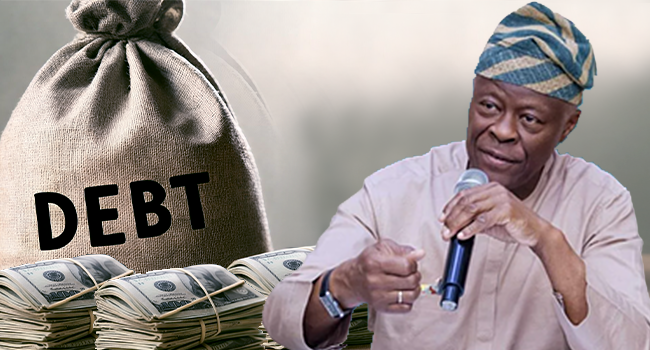
The Federal Government has announced plans to increase investment in the economy, strengthen domestic revenue generation, and reduce its dependence on borrowing.
Minister of Finance and Coordinating Minister of the Economy, Wale Edun, disclosed this on Tuesday during an interview with Bloomberg Television at the ongoing 56th World Economic Forum (WEF) in Davos, Switzerland.
Edun said the government’s current focus is on improving revenue generation through domestic resource mobilisation rather than accumulating more debt.
“The issue now is to focus on revenue, focus on domestic resource mobilisation,” he said. “We’re hoping to rely less on borrowing.”
He explained that while Nigeria still has access to international capital markets if necessary, the administration’s priority is to strengthen internal revenue sources and enhance fiscal sustainability.
According to the minister, ongoing reforms are aimed at expanding the tax base, improving compliance, and ensuring long-term stability in public finances, especially in the face of global economic pressures.
Edun noted that reducing borrowing while increasing revenue remains central to the Federal Government’s fiscal strategy, adding that domestic reforms would drive sustainable growth.
Since assuming office in 2023, President Bola Tinubu’s administration has rolled out wide-ranging economic reforms, including the removal of fuel subsidy, unification of foreign exchange windows, and a comprehensive overhaul of the tax system.
The government has also set a revenue target of increasing tax collection to about 18 per cent of Gross Domestic Product by next year, up from roughly 14 per cent currently.
Edun said these policies are designed to ensure long-term economic sustainability while gradually reducing Nigeria’s reliance on external debt.
He added that the reforms are also intended to modernise the economy and restore investor confidence.
Recent economic forecasts suggest early signs of progress. The International Monetary Fund (IMF) recently revised Nigeria’s growth projection upward to 4.4 per cent for 2026, compared to an estimated 4.2 per cent in 2025.
The IMF noted that the improved outlook comes despite weaker global oil prices, Nigeria’s main export and key source of foreign exchange, adding that fiscal reforms are expected to stabilise revenue collection and strengthen sustainability.
Edun said Nigeria’s engagement at the World Economic Forum would focus on addressing investor concerns around inflation, foreign exchange stability, policy consistency and fiscal discipline.
As part of its participation at WEF 2026, Nigeria will also unveil its first official national pavilion, known as Nigeria House Davos, aimed at showcasing investment opportunities and economic reforms.










You Won’t Return to Senate in 2027, Defends FCT Loans – Wike Tells Kingibe

Trump Rejects Global Supervision of AI, Calls It ‘Globalist Scheme’

UK Bars Nigerian, Ghanaian Teachers From QTS Application Route in England

CBN Resets Monetary Policy Rate to 23%

FG Inaugurates 10-Member Panel to Probe Deaths of 37 Suspected Illegal Miners in NSCDC Custody

NSITF now a digital, efficient, accountable institution – Faleye

Wike: Obi Supporters Won Rivers Only in Their Imagination

‘Who Is in Charge of Nigeria?’ — Atiku Questions Tinubu’s Extended Vacation

Tinubu Understands My Rainbow Coalition – Wike

Wike: I Will Never Support Uzodinma for Senate President in 2027

US Refuses Visas for Members of Iranian President’s UNGA Delegation

Niger NSCDC Custody Deaths: Names of 37 Suspected Illegal Miners Released (Full List)
Wike: I Will Never Support Uzodinma for Senate President in 2027

Cole Palmer Withdraws from England Squad with Muscle Injury, Gibbs-White Set to Replace Him

Civil Servants Demand N500,000 Minimum Salary, N500/Litre Petrol in Letter to Tinubu
UK Bars Nigerian, Ghanaian Teachers From QTS Application Route in England

Tinubu Extends Working Vacation, Returns to Nigeria This Weekend
Tinubu Understands My Rainbow Coalition – Wike
CBN Resets Monetary Policy Rate to 23%

Shettima Arrives in New York to Lead Nigeria’s Delegation to 81st UNGA
-
 World News2 days ago
US Refuses Visas for Members of Iranian President’s UNGA Delegation
-
 News1 day ago
Wike: I Will Never Support Uzodinma for Senate President in 2027
-
 Sports2 days ago
Cole Palmer Withdraws from England Squad with Muscle Injury, Gibbs-White Set to Replace Him
-
 News2 days ago
Niger NSCDC Custody Deaths: Names of 37 Suspected Illegal Miners Released (Full List)
-
 National News2 days ago
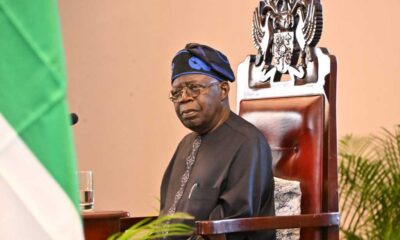
Civil Servants Demand N500,000 Minimum Salary, N500/Litre Petrol in Letter to Tinubu
-
 News10 hours ago
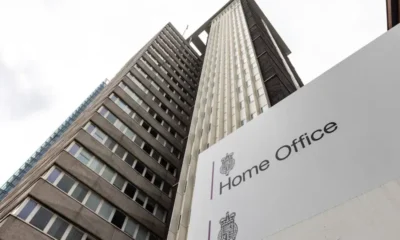
UK Bars Nigerian, Ghanaian Teachers From QTS Application Route in England
-
 National News1 day ago
Tinubu Extends Working Vacation, Returns to Nigeria This Weekend
-
 News1 day ago
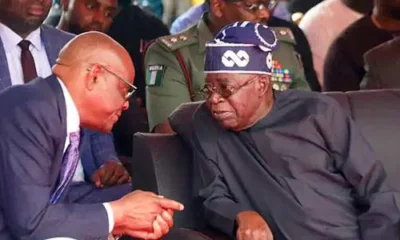
Tinubu Understands My Rainbow Coalition – Wike