World News
Israel-Iran conflict deepens as global energy crisis worsens

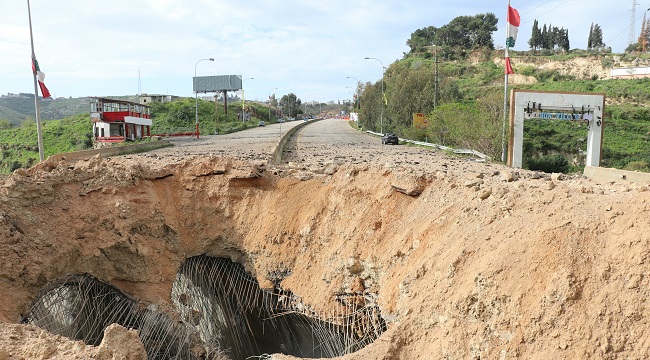
Fresh tensions have escalated in the Middle East as launched a new wave of airstrikes on on Monday, deepening a conflict that has already triggered one of the worst global energy crises in decades.
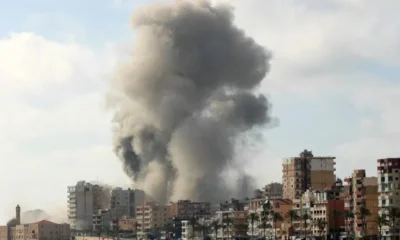
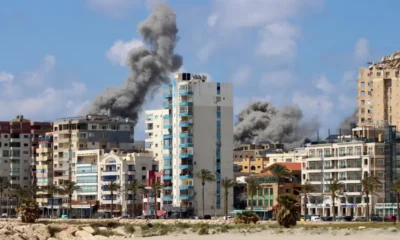
Explosions were reported in , while regional powers including and the confirmed intercepting incoming missiles and drones amid fears of a wider regional war.
The intensifying hostilities have severely disrupted energy supplies, with the head of the , , revealing that at least 40 critical oil and gas facilities across the region have suffered significant damage.
According to Birol, the crisis has led to a daily loss of approximately 11 million barrels of oil—surpassing disruptions recorded during the oil shocks of the 1970s. He warned that no country would be immune if the conflict continues to escalate.
Iran has responded to the strikes by launching missiles and drones targeting Israeli territory and strategic locations across the Gulf, including energy infrastructure and diplomatic sites.
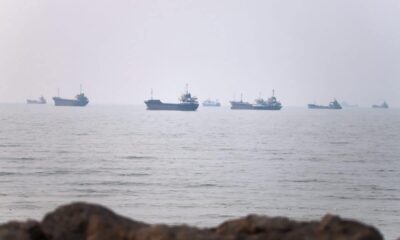
A major flashpoint remains the , a crucial global oil transit route through which about a fifth of the world’s crude supply passes. Tehran has restricted movement through the strait, allowing only vessels from allied nations while threatening broader restrictions.
Global oil prices have surged above $100 per barrel amid fears of prolonged supply disruptions, rattling international markets and raising concerns over inflation and economic instability.
In a sharp escalation, warned that the United States could “obliterate” Iran’s power infrastructure if it fails to fully reopen the strait within a 48-hour deadline.
Iran’s parliament speaker, , responded with a stern warning, declaring that vital infrastructure across the Middle East would become legitimate targets if such threats were carried out.
Meanwhile, Israeli Prime Minister signalled that the military campaign could be prolonged, as Israel expands operations against Iran-backed groups, including in .
Israeli forces have intensified strikes in southern Lebanon, targeting infrastructure they claim is used by Hezbollah, with warnings that the campaign could extend for several more weeks.
The conflict has already inflicted a heavy humanitarian toll, with over 1,000 deaths reported in Lebanon and more than one million people displaced, according to local authorities.
Despite Israel’s advanced air defence systems, Iranian missiles have managed to penetrate defences, striking southern Israeli towns such as , near a sensitive nuclear facility, and , injuring dozens.
In retaliation narratives, Iran said its strikes were linked to earlier attacks on its nuclear facilities, including the site at , though Israeli officials have not confirmed responsibility.
Casualty figures in Iran remain difficult to independently verify, but reports from rights groups suggest that over 3,000 people, including civilians, have been killed since the conflict began.
As the war enters its fourth week, fears are mounting that continued escalation could trigger a broader regional conflict with far-reaching economic and geopolitical consequences.









Tinubu to Nigerians: Give Us More Opportunity to Finish the Good Work

Lagos Police Begin Disciplinary Action Against Inspector Over Viral Video

Four Killed as Armed Men Attack Two Niger Communities

Rivers Assembly Issues Arrest Warrant for PAMO VC Over N29bn Funds

Super Eagles Beat Madagascar 2-1 in AFCON 2027 Qualifier
Tinubu Unveils $7bn Ogun Deep Seaport, Blue Marine Economic Zone Investment

Peter Obi Again Denies Borrowing, Issuing Bonds During Eight Years as Anambra Governor

Moghalu Disowns Atiku Campaign Appointment, Says He Was Not Consulted

Ghanaian Lawmaker Sosu Collapses on Stage During Speech

Fuel is N3,000/ltr in UK, we’re doing very well here – Okpebholo

Atiku Unveils ADC Presidential Campaign Council, Names Ibrahim-Imam Chairman
Fuel is N3,000/ltr in UK, we’re doing very well here – Okpebholo
Moghalu Disowns Atiku Campaign Appointment, Says He Was Not Consulted
Super Eagles Beat Madagascar 2-1 in AFCON 2027 Qualifier
Rivers Assembly Issues Arrest Warrant for PAMO VC Over N29bn Funds

NUJ FCT Chairman, Ike calls for research investment to tackle uncertainty in oil, gas sector

Bago Urges Religious Leaders to Preach Peace, Stay Out of Politics
Ghanaian Lawmaker Sosu Collapses on Stage During Speech
Peter Obi Again Denies Borrowing, Issuing Bonds During Eight Years as Anambra Governor
Tinubu Unveils $7bn Ogun Deep Seaport, Blue Marine Economic Zone Investment
-
 News1 day ago
Atiku Unveils ADC Presidential Campaign Council, Names Ibrahim-Imam Chairman
-
 News1 day ago
Fuel is N3,000/ltr in UK, we’re doing very well here – Okpebholo
-
 News1 day ago
Moghalu Disowns Atiku Campaign Appointment, Says He Was Not Consulted
-
 Sports7 hours ago
Super Eagles Beat Madagascar 2-1 in AFCON 2027 Qualifier
-
 News7 hours ago
Rivers Assembly Issues Arrest Warrant for PAMO VC Over N29bn Funds
-
 Business1 day ago
NUJ FCT Chairman, Ike calls for research investment to tackle uncertainty in oil, gas sector
-
 News1 day ago
Bago Urges Religious Leaders to Preach Peace, Stay Out of Politics
-
 World News1 day ago
Ghanaian Lawmaker Sosu Collapses on Stage During Speech