News
INEC unveils new rules to tackle party primaries, campaign spending ahead of 2027 polls

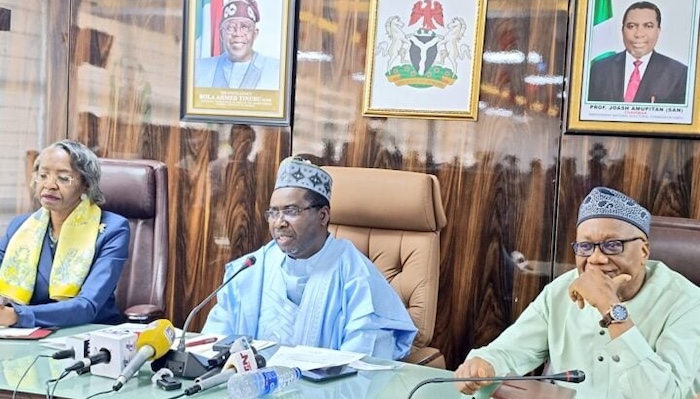
The Independent National Electoral Commission (INEC) has introduced a draft of revised regulations for political parties, aimed at addressing issues such as lack of transparency in party primaries and uncontrolled campaign spending ahead of the 2027 general elections.
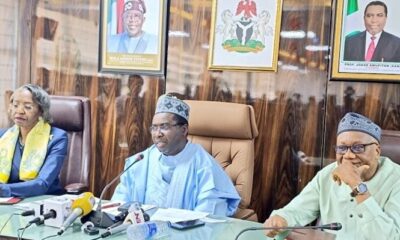
The draft was presented during a consultative meeting with party leaders at the commission’s headquarters on Tuesday, where INEC Chairman, Joash Amupitan, said the new guidelines are designed to stop candidate imposition and rebuild public trust in the electoral system.
He noted that problems with party primaries have contributed to voter apathy and increased election-related court cases.
“As I have often maintained, credible elections begin long before polling day; they begin in the transparency of the processes that produce the candidates,” he said.
The proposed 2026 regulations mark a major update to the 2022 guidelines and are in line with the provisions of the Electoral Act 2026.
The new rules cover key areas such as party registration and mergers, internal party operations, campaign activities, and conditions for deregistration.
Amupitan explained that the commission has introduced clearer procedures for conducting party primaries, stricter guidelines for campaign conduct, and stronger measures to ensure financial accountability.
He also highlighted provisions on campaign spending, in line with section 93(2) of the Electoral Act 2026, which allows INEC to set spending limits in consultation with political parties.
He advised parties to pay close attention to guidelines relating to the cost of running primaries and elections.
According to him, the reforms are aimed at creating “a more transparent, fair, and equitable electoral landscape”.
The development comes as INEC works with a tighter schedule for the 2027 elections, with presidential and National Assembly polls fixed for January 16, 2027, while governorship and state assembly elections are scheduled for February 6, 2027.
Amupitan described the shorter timeline as requiring “surgical precision” in planning and execution.
He added that the draft includes measurable targets to boost participation of women, youths, and persons with disabilities, noting that the changes were informed by findings from the political party performance index developed with support from the Westminster Foundation for Democracy. The report revealed a significant gap between party constitutions and what is obtainable at the grassroots level.
Describing the proposed rules as protective rather than restrictive, the INEC chairman urged political parties to actively engage in the process before the final version is released.
“INEC remains a neutral umpire, but we are no longer passive observers to the erosion of democratic values,” he said.
“By sharpening these rules, we are protecting the sovereign will of the Nigerian people from the point of nomination to the final declaration of results.”
INEC also stated that it is open to feedback from political parties as it works towards finalising the regulations that will guide political activities ahead of the 2027 general elections.








Nigeria-Kenya Chamber Strengthens Trade Drive with NACCIMA Membership

Restoring Trust And Strengthening Intelligence: The Quiet Transformation Of Nigeria’s SSS Under Adeola Ajayi

Customs emerge champions of NUJ FCT football tournament

Tinubu to Nigerians: Give Us More Opportunity to Finish the Good Work

Lagos Police Begin Disciplinary Action Against Inspector Over Viral Video

Four Killed as Armed Men Attack Two Niger Communities

Rivers Assembly Issues Arrest Warrant for PAMO VC Over N29bn Funds

Super Eagles Beat Madagascar 2-1 in AFCON 2027 Qualifier
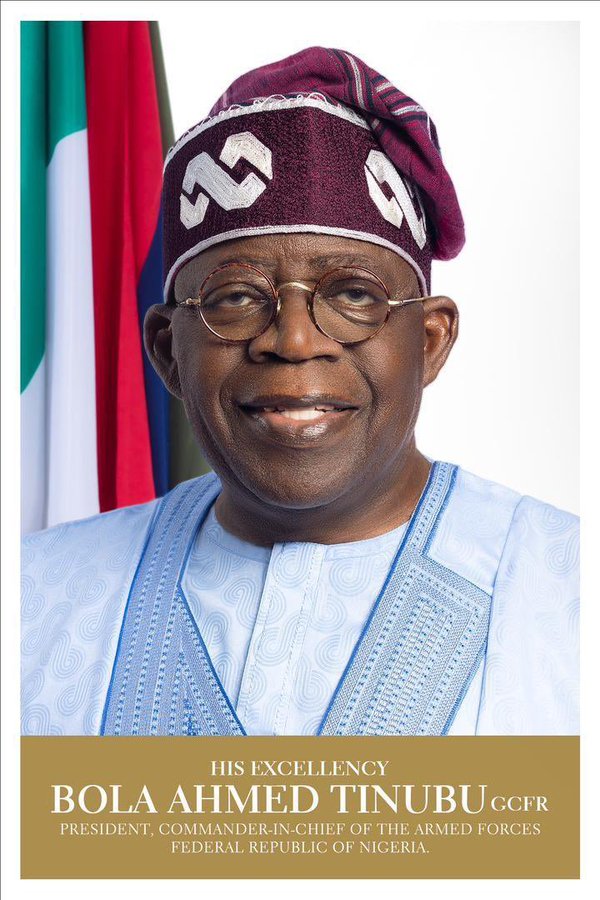
Tinubu Unveils $7bn Ogun Deep Seaport, Blue Marine Economic Zone Investment

Peter Obi Again Denies Borrowing, Issuing Bonds During Eight Years as Anambra Governor
Restoring Trust And Strengthening Intelligence: The Quiet Transformation Of Nigeria’s SSS Under Adeola Ajayi
Nigeria-Kenya Chamber Strengthens Trade Drive with NACCIMA Membership