
News
NCC, Telcos clash over compensation plan for poor network services

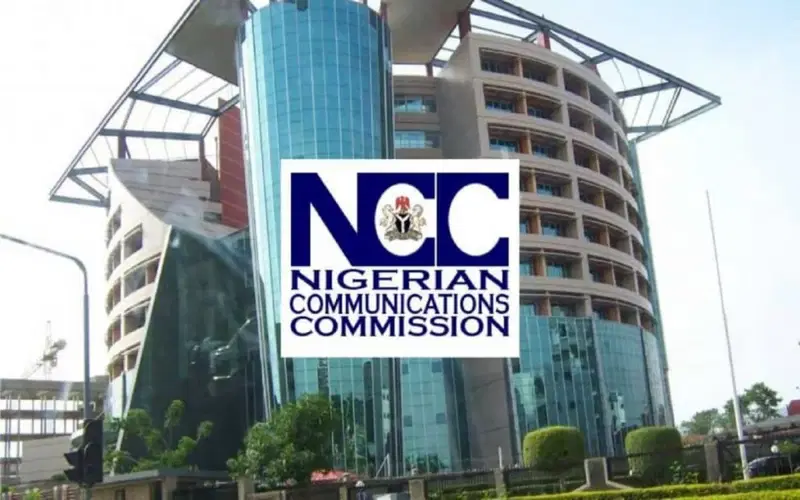
The Nigerian Communications Commission (NCC) and telecom operators are currently at odds over a directive mandating compensation for subscribers affected by poor network services.
The Commission had directed Mobile Network Operators (MNOs) to compensate customers experiencing substandard Quality of Service (QoS) in specific locations, citing persistent service failures across parts of the country.
However, telecom operators, under the umbrella of the Association of Licensed Telecom Operators of Nigeria, have questioned the methodology used by the regulator in determining the alleged infractions.
President of ALTON, Gbenga Adebayo, said operators are engaging the Commission for clarity, noting that some of his members are uncertain about how the conclusions were reached.
He stressed that while operators are willing to comply with regulatory directives, they are also entitled to seek explanations where necessary, adding that discussions are ongoing and may yield a resolution within the stipulated timeframe.
In a statement signed by its Head of Public Affairs, Nnenna Ukoha, the NCC maintained that consumers should not bear the burden of poor service delivery where operators fail to meet required standards.
According to the Commission, affected subscribers will receive compensation in the form of airtime credits, calculated based on their average spending patterns and their location within affected Local Government Areas.
The regulator explained that the directive aligns with its consumer-focused approach aimed at enhancing accountability in the telecommunications sector, noting that poor service delivery negatively impacts economic activities, productivity, and public confidence.
The NCC also disclosed that tower companies responsible for telecom infrastructure would be required to reinvest fines imposed on them into improving network capacity and service delivery, alongside other regulatory penalties.
It reaffirmed its commitment to enforcing service standards, promoting transparency, and ensuring that operators invest in infrastructure upgrades to meet growing demand.
The disagreement highlights ongoing tensions between regulators and service providers as efforts intensify to improve telecom service delivery and protect consumer interests in Nigeria’s digital economy.







Late filing of SERAP’s brief bungles hearing in their appeals against ₦101m judgment debt

NNPC extends N66 Petrol discount at its stations nationwide until October 31, denies subsidy return

Triple Crown for Julius Berger at Eurocham Nigeria Awards 2026

‘Nigerians Deserve Affordable Petrol’ — Obidient Movement Faults FG’s 30-Day Discount

30-Day Petrol Discount Is Not Subsidy, Funded by NNPC Retail’s Profit Margin — Oyedele

NLC Issues Two-Week Ultimatum to FG Over Petrol Price, Minimum Wage

Federal High Court Dismisses El’Rufai’s Fundamental Rights Suit Against ICPC, DSS, Others For Lacking In Merit

Renowned Communication Scholar, Prof Idowu Sobowale, Dies at 85

NYSC Kidnap: Mother Reveals How She Paid N6m to Secure Son’s Release

NAF Helicopter Makes Precautionary Landing in Makurdi, Returns Safely to Base
NLC Issues Two-Week Ultimatum to FG Over Petrol Price, Minimum Wage
30-Day Petrol Discount Is Not Subsidy, Funded by NNPC Retail’s Profit Margin — Oyedele
‘Nigerians Deserve Affordable Petrol’ — Obidient Movement Faults FG’s 30-Day Discount

Aiyedatiwa Orders Search to Continue Until NAF Aircraft, Victims Are Recovered
Federal High Court Dismisses El’Rufai’s Fundamental Rights Suit Against ICPC, DSS, Others For Lacking In Merit
NAF Helicopter Makes Precautionary Landing in Makurdi, Returns Safely to Base
Triple Crown for Julius Berger at Eurocham Nigeria Awards 2026
NYSC Kidnap: Mother Reveals How She Paid N6m to Secure Son’s Release
NNPC extends N66 Petrol discount at its stations nationwide until October 31, denies subsidy return

BREAKING: Security Forces Rescue 20 Prospective NYSC Members, Civilian Abducted in Imo
-
 National News7 hours ago
NLC Issues Two-Week Ultimatum to FG Over Petrol Price, Minimum Wage
-
 National News6 hours ago
30-Day Petrol Discount Is Not Subsidy, Funded by NNPC Retail’s Profit Margin — Oyedele
-
 News6 hours ago
‘Nigerians Deserve Affordable Petrol’ — Obidient Movement Faults FG’s 30-Day Discount
-
 News1 day ago
Aiyedatiwa Orders Search to Continue Until NAF Aircraft, Victims Are Recovered
-
 News8 hours ago
Federal High Court Dismisses El’Rufai’s Fundamental Rights Suit Against ICPC, DSS, Others For Lacking In Merit
-
 News1 day ago
NAF Helicopter Makes Precautionary Landing in Makurdi, Returns Safely to Base
-
 News6 hours ago
Triple Crown for Julius Berger at Eurocham Nigeria Awards 2026
-
 News1 day ago
NYSC Kidnap: Mother Reveals How She Paid N6m to Secure Son’s Release