








News
Appeal Court clears EFCC to pursue forfeiture of Yahaya Bello’s alleged properties

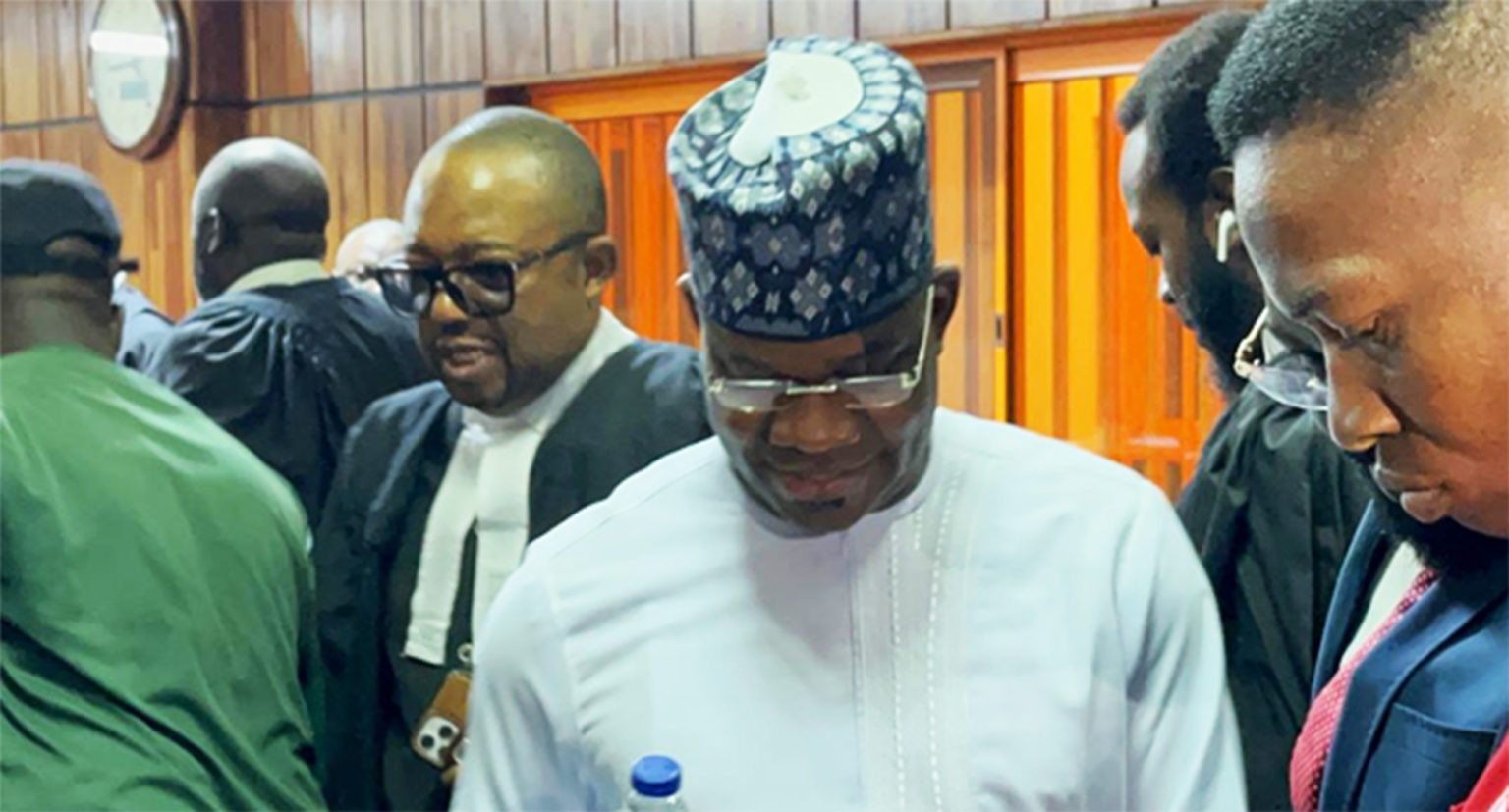
The Court of Appeal in Lagos has overturned an earlier ruling by the Federal High Court that blocked the Economic and Financial Crimes Commission (EFCC) from seizing 14 properties allegedly linked to former Kogi State Governor, Yahaya Bello.
Justice Yargata Nimpar, who delivered the judgment virtually with the support of two other justices, said the lower court erred in its decision to dismiss the EFCC’s case based on Governor Bello’s constitutional immunity. She emphasized that the court should have instead ruled on whether the properties were liable for permanent forfeiture.
This latest ruling gives the EFCC the green light to resume full proceedings to determine if the properties should be permanently taken over by the Federal Government.
The case began at the Federal High Court in Lagos, where Justice Nicholas Oweibo initially granted the EFCC permission to temporarily seize 14 luxury properties in Lagos, Abuja, and Dubai. The anti-graft agency argued that the assets were likely acquired through proceeds of crime and urged the court to allow forfeiture proceedings to begin. The court also instructed the EFCC to publish the seizure notice in newspapers to invite any claims from third parties.
However, Governor Bello filed an objection, stating that the properties were purchased before he assumed office, meaning public funds couldn’t have been involved. He further argued that as a sitting governor, he enjoyed constitutional immunity from such proceedings. Bello also pointed out that a Kogi State court had earlier barred the EFCC from investigating the state’s accounts and that the Federal High Court in Lagos lacked jurisdiction since the assets were spread across different locations.
Despite these arguments, EFCC’s counsel, Rotimi Oyedepo (SAN), maintained that the properties — including a high-end apartment in Dubai’s iconic Burj Khalifa — were questionable and sought the forfeiture of ₦400 million linked to the same matter.
Justice Oweibo had sided with Bello and dismissed the EFCC’s case, citing constitutional immunity. Dissatisfied, the EFCC approached the Court of Appeal to overturn the decision.
In its judgment, the Appeal Court ruled in favour of the EFCC, stressing that while a sitting governor cannot be prosecuted, this protection does not cover assets suspected to have been acquired illegally. The court said such properties can be seized and examined even while the individual holds office.
The Appeal Court subsequently reinstated the seizure order, rejected all of Bello’s objections, and authorized the EFCC to proceed with the process of permanently forfeiting the properties.














NUJ FCT10 minutes ago
Congress Hall Project: NUJ FCT Council receives historic donation from FCTA Chapel

FCT News2 hours ago
CSP Abdullahi Isa elevated as DPO of Utako Division, pledges stronger Community Policing

World News18 hours ago
Just-In; US Supreme Court rejects Trump’s bid to end birthright citizenship

World News18 hours ago
US Supreme Court upholds state bans on transgender athletes in Girls’ sports

Sports18 hours ago
CAF rejects proposal to expand AFCON to 28 teams

Entertainment18 hours ago
Veteran Yoruba actor, cleric Taiwo Adeshina dies at 66

News18 hours ago
NDC confirms access to INEC portal, uploads Presidential candidate for 2027 election

National News18 hours ago
Third batch of evacuated Nigerians arrives Lagos as returnees from South Africa hit 593

News23 hours ago
Breaking: Court grants Sowore ₦200 Million bail, orders Passport surrender

National News2 days ago
NYSC set for major shake-up as FEC approves comprehensive reforms

Sports2 days ago
One Killed, another critically injured in shooting at World Cup Fan Zone in California

Metro2 days ago
BREAKING: Terrorists invade Borno school, kidnap students writing NECO

World News2 days ago
Press Freedom fears grow as Uganda shuts down influential media outlets
News23 hours ago
Breaking: Court grants Sowore ₦200 Million bail, orders Passport surrender

News2 days ago
Three killed, four injured as bandits attack Katsina communities

National News2 days ago
Tinubu likely to visit Washington during tenure, Nigerian envoy says
News18 hours ago
NDC confirms access to INEC portal, uploads Presidential candidate for 2027 election

News2 days ago
Troops rescue 10 abducted NECO candidates, teachers after ISWAP attack in Borno
National News18 hours ago
Third batch of evacuated Nigerians arrives Lagos as returnees from South Africa hit 593
Entertainment18 hours ago
Veteran Yoruba actor, cleric Taiwo Adeshina dies at 66
-
 Sports2 days ago
One Killed, another critically injured in shooting at World Cup Fan Zone in California
-
 Metro2 days ago
BREAKING: Terrorists invade Borno school, kidnap students writing NECO
-
 News23 hours ago
Breaking: Court grants Sowore ₦200 Million bail, orders Passport surrender
-
 World News2 days ago
Press Freedom fears grow as Uganda shuts down influential media outlets
-
 News18 hours ago
NDC confirms access to INEC portal, uploads Presidential candidate for 2027 election
-
 News2 days ago
Three killed, four injured as bandits attack Katsina communities
-
 National News2 days ago
Tinubu likely to visit Washington during tenure, Nigerian envoy says
-
 News2 days ago
Troops rescue 10 abducted NECO candidates, teachers after ISWAP attack in Borno