News
Over 64 Completed Projects in Three Years: Why Farmer Umar Bago deserves a second term

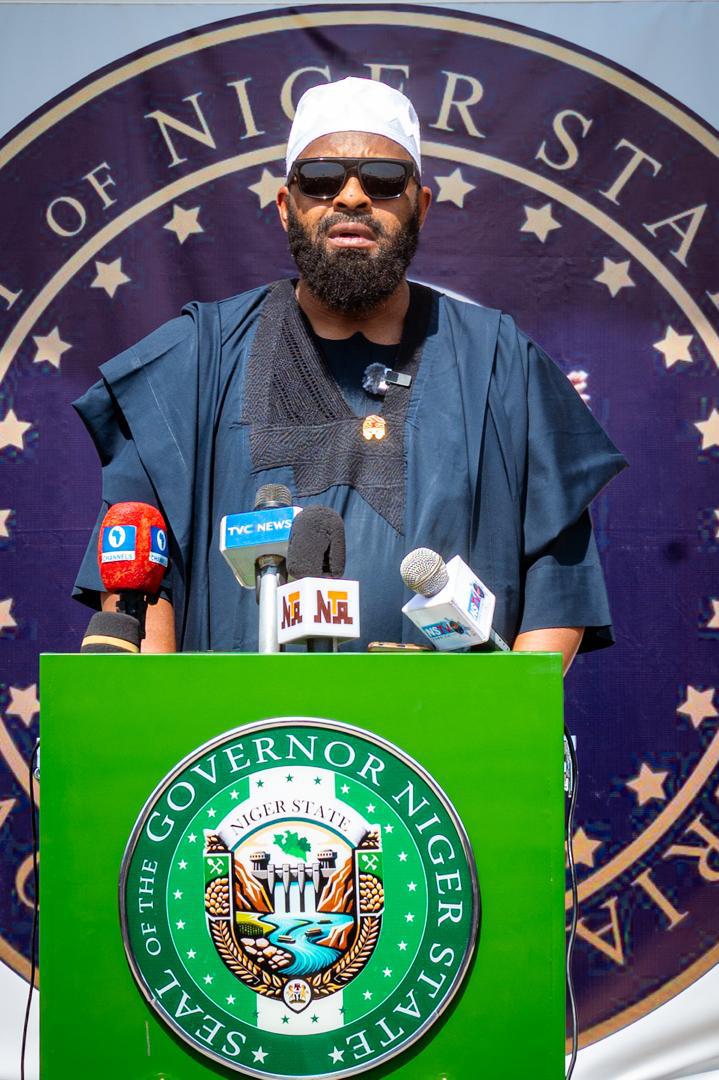
Governor Umar Mohammed Bago has completed 64 major infrastructure and public service projects across Niger State within three years in office.
The projects span road construction, urban renewal and healthcare, covering several local government areas and communities across the state.
Infrastructure is one of the most visible indicators of governance.
Roads improve connectivity, stimulate economic activities and ease transportation, while healthcare facilities bring essential medical services closer to the people.
These are investments whose impact is felt daily by citizens.
Road Infrastructure Projects
Major Road Projects
1. 5km Munya Township Road
2. Bosso Local Government Roads
3. AB Gamji Road
4. Spring Drive
5. MTP 90 Blue and Red Streets
6. Etsu Yusuf Yahaya Road
7. Gamji Link
8. Dije Bala Street
9. Godiya Special Roads A & B
10. Dahiru Bauchi Road
11. 11km Chanchaga–City Gate Dualisation
Type B Quarters Roads
12. Abu Kuta Street
13. Jos Street
14. Daura Street
15. Kazaure Street
16. Ilorin Street
17. Zaria Street
18. Suleja Street
19. London Street Road
20. Gado Nasko Street–Zarumai Estate Road
Bida Township Roads (First Phase)
21. 16km Bida Township Roads (First Phase)
F Layout Roads
22. Alhaji Dantani Street
23. Nmakolo/Abubakar Ibrahim Street
Airport Quarters Roads
24. Jiya Vatsa Road
25. Col. Sani Bello Road
26. Kutiriko Area Roads
27. Opposite Kure Market–Fadikpe Road (Fadikpe Yapping)
28. Standard Hospital Road
Government Reserved Area (GRA) Roads
29. Office of the Special Advisers Road
30. Ahmadu Bello Way
31. Aliyu Makama Road
32. Sir Kashim Ibrahim Road
33. Dr. Mustapha Abdulsalam Road
34. James Gara/Deputy Governor’s Road
35. National Prison Road
Healthcare Projects
Level II Primary Healthcare Centres
36. Unguwan Daji
37. Rafin Kuka (Shiroro)
38. Lefu (Gurara)
39. Tungan Mallam (Paikoro)
40. Second Gate (Suleja)
41. Tunga (Peter Sarki Road)
42. Duma (Lapai)
43. Kontagora MCC
44. Kawo (Kontagora)
45. Kumbashi (Mariga)
46. Maito (Wushishi)
47. Old Airport (Chanchaga)
48. Garatu (Bosso)
49. Kataeregi (Katcha)
50. Bida (Bida)
51. Gbadafu (Gbako)
52. Doko (Lavun)
53. Kpakungu (Chanchaga)
54. Maitumbi FM (Bosso)
Lapai Township Road Projects
55. Daudu Maza to Roundabout to Emir’s Palace (with road markings)
56. Emir’s Palace to Musa Wali House (with road markings)
57. Prison Yard to Kobo Primary School (with road markings)
58. Kobo Primary School Linking to Malle (with road markings)
59. Malle Road to Graveyard Road (with road markings)
60. Graveyard Road (with road markings)
61. Efu Gwaja School Road/Katanbako (with road markings)
62. Jannari Road (with road markings)
63. Aliyu Gana Wakilin Dogon Tela Road (with road markings)
64. Alhaji Alumu House to Twachi Road (with road markings)
*What These Projects Mean for Niger State*
These projects are more than just completed contracts. They represent improved mobility for commuters, better access to markets for farmers and traders, safer roads for motorists, and enhanced healthcare services for communities that previously had limited access to quality medical care.
Road infrastructure remains a key driver of economic growth. Every kilometre of road constructed or rehabilitated opens up communities, attracts investment, reduces transportation costs and supports businesses.
Likewise, the establishment of modern primary healthcare centres strengthens the state’s healthcare system by providing quality medical services closer to the grassroots.
*Why Many Believe Governor Bago Deserves a Second Term*
Every citizen has the constitutional right to support or oppose any political leader.
Political preferences differ, and no governor will ever enjoy unanimous support.
However, governance is best assessed through measurable outcomes.
Completed projects provide one of the clearest indicators of performance because they are visible, verifiable and directly impact people’s lives.
Within three years, Governor Umar Mohammed Bago has overseen the completion of 64 major projects while several other initiatives in agriculture, education, urban renewal and infrastructure are ongoing.
To many, this demonstrates not only a commitment to development but also the capacity to translate government policies into tangible results.
For those who believe continuity is important for sustainable development, these achievements present a compelling argument that the administration should be given the opportunity to consolidate its gains and complete its broader vision for Niger State.
Ultimately, the decision belongs to the people of Niger State. But if infrastructure delivery and project execution remain key benchmarks for assessing performance in public office, Governor Umar Mohammed Bago has built a strong record upon which voters can make their judgment.*Over 64 Completed Projects in Three Years: Why Farmer Umar Bago deserves a second term*
Governor Umar Mohammed Bago has completed 64 major infrastructure and public service projects across Niger State within three years in office.
The projects span road construction, urban renewal and healthcare, covering several local government areas and communities across the state.
Infrastructure is one of the most visible indicators of governance.
Roads improve connectivity, stimulate economic activities and ease transportation, while healthcare facilities bring essential medical services closer to the people.
These are investments whose impact is felt daily by citizens.
Road Infrastructure Projects
Major Road Projects
1. 5km Munya Township Road
2. Bosso Local Government Roads
3. AB Gamji Road
4. Spring Drive
5. MTP 90 Blue and Red Streets
6. Etsu Yusuf Yahaya Road
7. Gamji Link
8. Dije Bala Street
9. Godiya Special Roads A & B
10. Dahiru Bauchi Road
11. 11km Chanchaga–City Gate Dualisation
Type B Quarters Roads
12. Abu Kuta Street
13. Jos Street
14. Daura Street
15. Kazaure Street
16. Ilorin Street
17. Zaria Street
18. Suleja Street
19. London Street Road
20. Gado Nasko Street–Zarumai Estate Road
Bida Township Roads (First Phase)
21. 16km Bida Township Roads (First Phase)
F Layout Roads
22. Alhaji Dantani Street
23. Nmakolo/Abubakar Ibrahim Street
Airport Quarters Roads
24. Jiya Vatsa Road
25. Col. Sani Bello Road
26. Kutiriko Area Roads
27. Opposite Kure Market–Fadikpe Road (Fadikpe Yapping)
28. Standard Hospital Road
Government Reserved Area (GRA) Roads
29. Office of the Special Advisers Road
30. Ahmadu Bello Way
31. Aliyu Makama Road
32. Sir Kashim Ibrahim Road
33. Dr. Mustapha Abdulsalam Road
34. James Gara/Deputy Governor’s Road
35. National Prison Road
Healthcare Projects
Level II Primary Healthcare Centres
36. Unguwan Daji
37. Rafin Kuka (Shiroro)
38. Lefu (Gurara)
39. Tungan Mallam (Paikoro)
40. Second Gate (Suleja)
41. Tunga (Peter Sarki Road)
42. Duma (Lapai)
43. Kontagora MCC
44. Kawo (Kontagora)
45. Kumbashi (Mariga)
46. Maito (Wushishi)
47. Old Airport (Chanchaga)
48. Garatu (Bosso)
49. Kataeregi (Katcha)
50. Bida (Bida)
51. Gbadafu (Gbako)
52. Doko (Lavun)
53. Kpakungu (Chanchaga)
54. Maitumbi FM (Bosso)
Lapai Township Road Projects
55. Daudu Maza to Roundabout to Emir’s Palace (with road markings)
56. Emir’s Palace to Musa Wali House (with road markings)
57. Prison Yard to Kobo Primary School (with road markings)
58. Kobo Primary School Linking to Malle (with road markings)
59. Malle Road to Graveyard Road (with road markings)
60. Graveyard Road (with road markings)
61. Efu Gwaja School Road/Katanbako (with road markings)
62. Jannari Road (with road markings)
63. Aliyu Gana Wakilin Dogon Tela Road (with road markings)
64. Alhaji Alumu House to Twachi Road (with road markings)
*What These Projects Mean for Niger State*
These projects are more than just completed contracts. They represent improved mobility for commuters, better access to markets for farmers and traders, safer roads for motorists, and enhanced healthcare services for communities that previously had limited access to quality medical care.
Road infrastructure remains a key driver of economic growth. Every kilometre of road constructed or rehabilitated opens up communities, attracts investment, reduces transportation costs and supports businesses.
Likewise, the establishment of modern primary healthcare centres strengthens the state’s healthcare system by providing quality medical services closer to the grassroots.
*Why Many Believe Governor Bago Deserves a Second Term*
Every citizen has the constitutional right to support or oppose any political leader.
Political preferences differ, and no governor will ever enjoy unanimous support.
However, governance is best assessed through measurable outcomes.
Completed projects provide one of the clearest indicators of performance because they are visible, verifiable and directly impact people’s lives.
Within three years, Governor Umar Mohammed Bago has overseen the completion of 64 major projects while several other initiatives in agriculture, education, urban renewal and infrastructure are ongoing.
To many, this demonstrates not only a commitment to development but also the capacity to translate government policies into tangible results.
For those who believe continuity is important for sustainable development, these achievements present a compelling argument that the administration should be given the opportunity to consolidate its gains and complete its broader vision for Niger State.
Ultimately, the decision belongs to the people of Niger State. But if infrastructure delivery and project execution remain key benchmarks for assessing performance in public office, Governor Umar Mohammed Bago has built a strong record upon which voters can make their judgment.










NUJ FCT Chairman Grace Ike Leads Tributes for Younger Brother on His 40th Birthday

If Buhari Could Not End Insecurity, Tinubu Cannot Be Blamed Alone — Yari

Military Says Air Strikes Killed 103 Terrorists in Borno, Adamawa

FCT Police Summon Farmers, Herders Over Violence in Gwagwalada

“A National Disgrace”: Northern Group Slams Sowore Over Harassment of Lawyer in Court

CACL condemns AAC’S declaration Of Federal High Court as campaign venue, warns against incitement, threats to democratic order

BREAKING: Emmanuel Uduaghan, Former Delta Governor, Dies at 71

DSS arrests of NYSC kidnappers, Faisal Maina: Why intelligence must take centre stage By Olufemi Lawson

Dr Adedayo Benjamins-Laniyi: The woman leading Nigeria’s National Centre for Women Development

Inauguration of NSITF’s ACTU to promote integrity, public trust – MD Faleye
CACL condemns AAC’S declaration Of Federal High Court as campaign venue, warns against incitement, threats to democratic order
DSS arrests of NYSC kidnappers, Faisal Maina: Why intelligence must take centre stage By Olufemi Lawson
“A National Disgrace”: Northern Group Slams Sowore Over Harassment of Lawyer in Court
BREAKING: Emmanuel Uduaghan, Former Delta Governor, Dies at 71
FCT Police Summon Farmers, Herders Over Violence in Gwagwalada
Military Says Air Strikes Killed 103 Terrorists in Borno, Adamawa
If Buhari Could Not End Insecurity, Tinubu Cannot Be Blamed Alone — Yari
NUJ FCT Chairman Grace Ike Leads Tributes for Younger Brother on His 40th Birthday
-
 News23 hours ago
CACL condemns AAC’S declaration Of Federal High Court as campaign venue, warns against incitement, threats to democratic order
-
 News2 days ago
DSS arrests of NYSC kidnappers, Faisal Maina: Why intelligence must take centre stage By Olufemi Lawson
-
 News1 day ago
BREAKING: Emmanuel Uduaghan, Former Delta Governor, Dies at 71
-
 News20 hours ago
“A National Disgrace”: Northern Group Slams Sowore Over Harassment of Lawyer in Court
-
 News9 hours ago
FCT Police Summon Farmers, Herders Over Violence in Gwagwalada
-
 Metro9 hours ago
Military Says Air Strikes Killed 103 Terrorists in Borno, Adamawa
-
 News9 hours ago
If Buhari Could Not End Insecurity, Tinubu Cannot Be Blamed Alone — Yari
-
 News4 hours ago
NUJ FCT Chairman Grace Ike Leads Tributes for Younger Brother on His 40th Birthday