
World News
US launches fresh strikes on Iran as Trump announces Hormuz blockade, Tehran retaliates

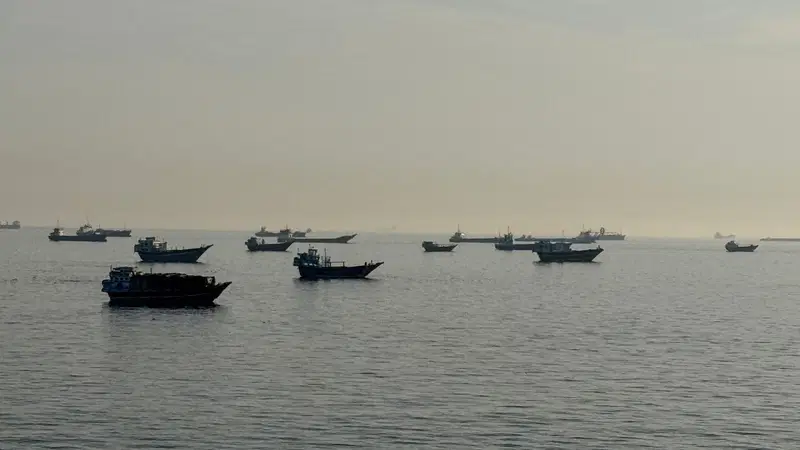
The United States on Tuesday launched a fresh wave of military strikes against Iran, while President Donald Trump announced plans to reimpose a naval blockade on the Islamic Republic, triggering retaliatory attacks by Tehran across the Gulf region.
Despite the renewed escalation, Trump insisted that a diplomatic agreement with Iran remained possible, even as the conflict intensified to levels not seen since the April ceasefire.
Iran reportedly struck two commercial vessels in the strategic Strait of Hormuz, with the United Arab Emirates confirming that one crew member was killed. The United Kingdom Maritime Trade Operations (UKMTO) also reported that another oil tanker was hit by a missile while transiting the waterway near Oman’s coast.
The US military said its five-hour operation targeted several locations across Iran, including Bushehr and Bandar Abbas, with the objective of degrading Tehran’s capacity to attack commercial shipping.
According to an AFP tally based on Iranian official statements and local media reports, renewed US strikes carried out since last week have killed at least 28 people in Iran.
In retaliation, Iran’s Revolutionary Guards announced missile and drone attacks on Bahrain, claiming to have targeted facilities linked to US forces as well as other strategic locations.
Bahrain, however, said it intercepted several aerial attacks launched by Iran and accused Tehran of targeting civilians after explosions and air raid sirens were reported in the capital, Manama.
The renewed hostilities have cast fresh doubt over efforts to secure a lasting peace agreement between Washington and Tehran.
Iran had previously imposed restrictions in the Strait of Hormuz following US-Israeli military operations in February, prompting Washington to blockade Iranian ports. Those restrictions were later eased after both sides reached a preliminary agreement in June.
Trump Announces Hormuz Blockade
President Trump declared that the United States was “taking over” security in the Strait of Hormuz and announced a 20 per cent levy on all cargo passing through the strategic waterway, a move that drew criticism from Iran, which described it as an act of piracy.
US Central Command (CENTCOM) subsequently announced that Iranian ports connected to the Strait of Hormuz would be placed under blockade from 2000 GMT on Tuesday.
The announcement rattled global energy markets, with oil prices rising more than nine per cent on Monday before recording further gains on Tuesday.
Iran also launched attacks targeting other US allies in the region, including Jordan, which said it intercepted four Iranian missiles.
Iran’s Revolutionary Guards said the strikes targeted American military facilities and urged Jordanians to demand the removal of US military bases from their country.
Iran further warned that any Gulf nation cooperating with Washington in military operations would be regarded as participating in acts of war.
The White House confirmed that President Trump had formally notified the US Congress that military operations against Iran had resumed, granting the Pentagon an additional 60 days to continue operations without seeking further congressional approval.
Trump also threatened to destroy Pickaxe Mountain, a deeply buried nuclear site near Natanz that Western intelligence agencies suspect is linked to an undeclared uranium enrichment programme.
“Tell the Iranians to be ready. Let them know we’re coming, and there’s not a damn thing they can do about it,” Trump said during an interview with conservative radio host Hugh Hewitt.
Writing on Truth Social, Trump said the United States would become “THE GUARDIAN OF THE HORMUZ STRAIT” while reiterating plans to impose a 20 per cent shipping levy.
He added that while Iranian ports would remain blockaded, vessels from other countries would continue to enjoy unrestricted access to the waterway.
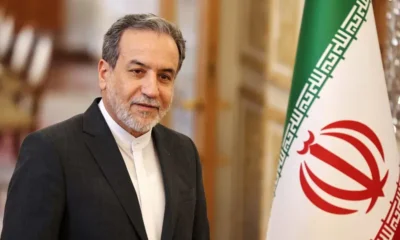
Iranian Foreign Minister Abbas Araghchi responded sarcastically on X, saying Trump was correct that safe passage should attract compensation, but suggested Tehran would charge less, adding that “20% is of course too much.”
Diplomatic Efforts Continue
Iran’s parliament has begun considering legislation relating to the management of the Strait of Hormuz, according to the chairman of its parliamentary security committee.
Although international law generally prohibits countries from imposing tolls on international waterways, Washington has consistently opposed any attempt by Tehran to charge transit fees.
Despite the renewed military confrontation, Trump maintained that a negotiated settlement remained achievable.
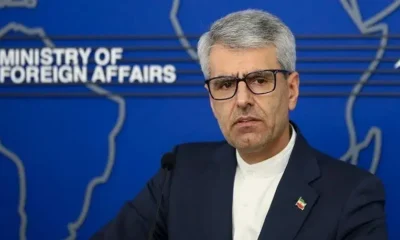
Iran’s Foreign Ministry spokesman, Esmaeil Baqaei, however, said the memorandum of understanding signed in June had entered a period of crisis.
He warned that Iran would no longer feel bound by the agreement if Washington abandoned its own commitments but confirmed that Tehran was continuing diplomatic engagements through mediators from Qatar, Pakistan and Oman in an effort to prevent further escalation.
Bader Al-Saif, an associate fellow at Chatham House, said the latest escalation would likely delay any permanent agreement.
“Both sides want to end the impasse on their own terms, and they are increasingly finding it difficult to do so,” he said.










Plateau Indigenous Youths Reject Petition Against DSS, Accuse Fulani Groups of Orchestrating ‘Calumny’ to Halt Security Operations

Seven-Year-Old Boy Found Dead After Kidnap, N2.5m Ransom Demand in Jos

Jonathan Urges Nigeria to Boost Local Manufacturing, Reduce Imports

Dele Giwa: Forty Years After The Parcel That Shook Nigeria – By Shu’aibu Usman Leman

BREAKING: FG announces Ebola case in FCT, identifies 44 people for contact tracing

NUJ FCT Chairman Grace Ike Leads Tributes for Younger Brother on His 40th Birthday

If Buhari Could Not End Insecurity, Tinubu Cannot Be Blamed Alone — Yari

Military Says Air Strikes Killed 103 Terrorists in Borno, Adamawa

FCT Police Summon Farmers, Herders Over Violence in Gwagwalada

“A National Disgrace”: Northern Group Slams Sowore Over Harassment of Lawyer in Court
“A National Disgrace”: Northern Group Slams Sowore Over Harassment of Lawyer in Court
Military Says Air Strikes Killed 103 Terrorists in Borno, Adamawa
BREAKING: FG announces Ebola case in FCT, identifies 44 people for contact tracing
FCT Police Summon Farmers, Herders Over Violence in Gwagwalada
If Buhari Could Not End Insecurity, Tinubu Cannot Be Blamed Alone — Yari
NUJ FCT Chairman Grace Ike Leads Tributes for Younger Brother on His 40th Birthday
Dele Giwa: Forty Years After The Parcel That Shook Nigeria – By Shu’aibu Usman Leman
Jonathan Urges Nigeria to Boost Local Manufacturing, Reduce Imports
Seven-Year-Old Boy Found Dead After Kidnap, N2.5m Ransom Demand in Jos
Plateau Indigenous Youths Reject Petition Against DSS, Accuse Fulani Groups of Orchestrating ‘Calumny’ to Halt Security Operations
-
 News2 days ago
“A National Disgrace”: Northern Group Slams Sowore Over Harassment of Lawyer in Court
-
 News1 day ago
FCT Police Summon Farmers, Herders Over Violence in Gwagwalada
-
 Metro1 day ago
Military Says Air Strikes Killed 103 Terrorists in Borno, Adamawa
-
 FCT News1 day ago
BREAKING: FG announces Ebola case in FCT, identifies 44 people for contact tracing
-
 News1 day ago
If Buhari Could Not End Insecurity, Tinubu Cannot Be Blamed Alone — Yari
-
 News1 day ago
NUJ FCT Chairman Grace Ike Leads Tributes for Younger Brother on His 40th Birthday
-
 News5 hours ago
Jonathan Urges Nigeria to Boost Local Manufacturing, Reduce Imports
-
 News5 hours ago
Seven-Year-Old Boy Found Dead After Kidnap, N2.5m Ransom Demand in Jos