
News
FG introduces national food procurement policy to improve nutrition, public health

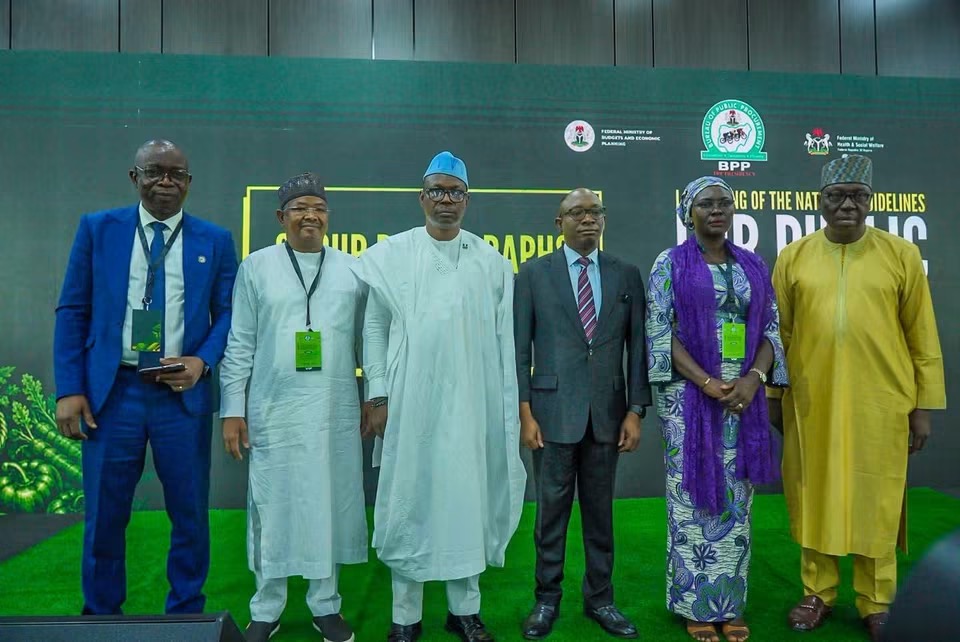
The Federal Government has launched the National Guidelines for Public Procurement of Food and Related Services, describing healthy diets, nutrition and national wellness as critical to building healthier food systems and improving public health outcomes.
The guidelines were unveiled on Monday in Abuja by the Minister of State for Health and Social Welfare, Dr. Iziaq Adekunle Salako, who described the initiative as a major governance milestone that aligns public procurement with Nigeria’s health, nutrition and economic development priorities.
Delivering the keynote address at the launch, Salako said the guidelines would reposition public procurement as a strategic tool for improving nutrition, strengthening food systems, preventing diseases and promoting sustainable national development.
Speaking on the theme, “Public Procurement of Food: Promoting a Culture of National Wellness Through the Food Value Chain,” the minister said every public procurement decision reflects a national priority and should no longer be viewed merely as a compliance exercise.
According to him, government procurement can be used strategically to improve health outcomes, strengthen human capital and stimulate economic growth.
Salako said the initiative demonstrates the Tinubu administration’s whole-of-government approach to governance, stressing that sustainable improvements in health require collaboration among the sectors responsible for procurement, agriculture, nutrition, health and economic planning.
Highlighting the growing burden of diet-related diseases, the minister said unhealthy diets contribute to about 7.2 million deaths globally each year.
He also disclosed that Nigerians consume an average of 3.9 grams of sodium daily—almost twice the World Health Organization’s recommended limit of 2 grams per day. He identified excessive consumption of industrial trans fats and sugar-sweetened beverages as major contributors to the rising prevalence of cardiovascular diseases, obesity and diabetes.
Salako noted that the Federal Government has already introduced key public health measures, including the National Guideline for Sodium Reduction, the Trans-Fatty Acid Regulation and the Sugar-Sweetened Beverage Tax, to encourage healthier eating habits and reduce the burden of non-communicable diseases.
The minister also expressed concern over the country’s malnutrition burden, noting that nearly half of all deaths among children under five are linked to malnutrition.
He cited recent national survey findings showing that about four in every 10 Nigerian children under the age of five are stunted, while nearly two million children suffer from severe acute malnutrition each year.
According to him, the figures pose not only a public health challenge but also a serious threat to Nigeria’s human capital development, educational attainment, productivity and long-term economic growth.
Salako observed that the Federal Government remains the country’s largest institutional purchaser of food and related services, making its procurement decisions influential in shaping food environments, encouraging healthier food production and strengthening accountability across the food value chain.
He stressed that government procurement should not merely respond to market trends but should actively shape them by demanding healthier, safer and more nutritious food, thereby encouraging innovation and higher standards among producers, processors and suppliers.
The minister explained that the new guidelines establish evidence-based standards for public food procurement by promoting balanced diets and setting limits for sodium, sugar and unhealthy fats.
He added that the initiative complements existing national policies on food safety, sodium reduction and trans-fat elimination while supporting the Federal Government’s commitment to health promotion and disease prevention.
Salako reaffirmed that the Nigeria Health Sector Renewal Investment Initiative recognises nutrition as a key determinant of health throughout life, adding that President Bola Tinubu’s commitment to Universal Health Coverage extends beyond access to healthcare to creating healthier communities through preventive public policies.





BREAKING: Veteran Nollywood Actor Francis Duru Dies at 57

Ebola: FG Orders Nationwide Awareness Campaign After Reported Case in Abuja

Sultan of Sokoto Meets Tinubu, Prays for Peaceful Elections

NEC Endorses 90-Day Plan to Ease Cost of Living, Targets Single-Digit Inflation

JUST-IN: Tinubu Appoints Ex-DSS DG Bichi to Lead NISS Governing Board

NUJ demands justice, fair hearing and protection of press freedom in Farida Isiak’s case

Gov Sule commends DSS over arrests, ammunition recoveries in Nasarawa

FCT Teachers Resume Classes After Suspending Two-Week Strike

Plateau Indigenous Youths Reject Petition Against DSS, Accuse Fulani Groups of Orchestrating ‘Calumny’ to Halt Security Operations

Seven-Year-Old Boy Found Dead After Kidnap, N2.5m Ransom Demand in Jos
Gov Sule commends DSS over arrests, ammunition recoveries in Nasarawa
NUJ demands justice, fair hearing and protection of press freedom in Farida Isiak’s case
NEC Endorses 90-Day Plan to Ease Cost of Living, Targets Single-Digit Inflation

Jonathan Urges Nigeria to Boost Local Manufacturing, Reduce Imports
Seven-Year-Old Boy Found Dead After Kidnap, N2.5m Ransom Demand in Jos
FCT Teachers Resume Classes After Suspending Two-Week Strike
JUST-IN: Tinubu Appoints Ex-DSS DG Bichi to Lead NISS Governing Board
Plateau Indigenous Youths Reject Petition Against DSS, Accuse Fulani Groups of Orchestrating ‘Calumny’ to Halt Security Operations
Ebola: FG Orders Nationwide Awareness Campaign After Reported Case in Abuja
Sultan of Sokoto Meets Tinubu, Prays for Peaceful Elections
-
 News1 day ago
Gov Sule commends DSS over arrests, ammunition recoveries in Nasarawa
-
 FCT News1 day ago
FCT Teachers Resume Classes After Suspending Two-Week Strike
-
 NUJ FCT1 day ago
NUJ demands justice, fair hearing and protection of press freedom in Farida Isiak’s case
-
 National News15 hours ago
NEC Endorses 90-Day Plan to Ease Cost of Living, Targets Single-Digit Inflation
-
 News2 days ago
Jonathan Urges Nigeria to Boost Local Manufacturing, Reduce Imports
-
 News2 days ago
Seven-Year-Old Boy Found Dead After Kidnap, N2.5m Ransom Demand in Jos
-
 National News16 hours ago
JUST-IN: Tinubu Appoints Ex-DSS DG Bichi to Lead NISS Governing Board
-
 NUJ FCT2 days ago
Plateau Indigenous Youths Reject Petition Against DSS, Accuse Fulani Groups of Orchestrating ‘Calumny’ to Halt Security Operations