





News
Nigeria sees 55% decline in condom distribution, raising public health concerns – UNAIDS

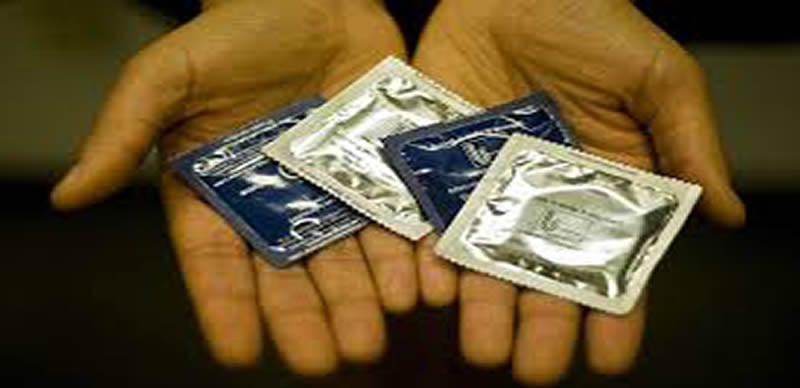
Nigeria has recorded a 55 per cent drop in condom distribution, a trend the Joint United Nations Programme on HIV/AIDS (UNAIDS) warns could heighten the risk of new HIV infections and other sexually transmitted diseases across the country.
According to data released by UNAIDS, the sharp decline spans the last year and reflects reduced funding, disruptions in supply chains, and shifting donor priorities. Public health experts say the drop poses a significant setback to national efforts aimed at curbing the spread of HIV, especially among young people and key populations.
A UNAIDS representative noted that condoms remain one of the most cost-effective tools for preventing HIV and unplanned pregnancies. “A reduction of this magnitude is alarming,” the official said. “It means fewer people have access to a basic and essential prevention commodity, potentially reversing progress Nigeria has made in recent years.”
Health advocates also expressed concern that the decline coincides with rising economic hardship, which has made many Nigerians unable to purchase condoms privately. Community-based distribution channels, including outreach programmes, have reportedly suffered funding cuts, further limiting access in rural and high-risk areas.
Local NGOs working in sexual and reproductive health say they have already observed decreased condom availability in clinics and community centres. They warn that the drop could lead to increased risky behaviours, particularly among youths who rely on free distribution outlets.
UNAIDS urged the Nigerian government, international partners and health organisations to prioritise procurement and distribution to avoid a resurgence of infections. The agency also called for renewed investments in awareness campaigns and reproductive health services.
Nigeria currently ranks among countries with the highest burden of HIV in sub-Saharan Africa, although infection rates have declined steadily in the last decade. Experts warn that the latest trend, if not urgently addressed, could jeopardize those gains.







News18 hours ago
NUJ FCT charges new SOPTCAM executives to raise standards, embrace digital innovation

News1 day ago
FCT Police Commissioner’s son, Ahmed Sharafadeen Sanusi, weds in Katsina

News1 day ago
Projects, performance, and people: Obi Aguocha’s re-Election argument

News1 day ago
Nigeria Police Force to strengthen Complaint Response Unit, boost media engagement

National News2 days ago
NGF commends Tinubu over expansion of Nigerian Army

Sports2 days ago
CAS fixes October 8 hearing in Senegal’s challenge to Morocco’s 2025 AFCON title

World News2 days ago
Nigeria, Seven African Nations hit with 12.5% US tariff

National News2 days ago
No kobo was released to controversial investment Council, Budget Office DG Tells Reps

Sports2 days ago
Ezuruike claims Silver to hand Nigeria first Commonwealth Games medal
National News3 days ago
Tinubu approves expansion of Nigerian Army to 12 Divisions, authorises recruitment of 28,000 personnel
National News2 days ago
No kobo was released to controversial investment Council, Budget Office DG Tells Reps
Sports2 days ago
Ezuruike claims Silver to hand Nigeria first Commonwealth Games medal
World News2 days ago
Nigeria, Seven African Nations hit with 12.5% US tariff
Sports2 days ago
CAS fixes October 8 hearing in Senegal’s challenge to Morocco’s 2025 AFCON title
National News2 days ago
NGF commends Tinubu over expansion of Nigerian Army
News1 day ago
Nigeria Police Force to strengthen Complaint Response Unit, boost media engagement
News1 day ago
Projects, performance, and people: Obi Aguocha’s re-Election argument
News1 day ago
FCT Police Commissioner’s son, Ahmed Sharafadeen Sanusi, weds in Katsina
News18 hours ago
NUJ FCT charges new SOPTCAM executives to raise standards, embrace digital innovation
-
 National News2 days ago
No kobo was released to controversial investment Council, Budget Office DG Tells Reps
-
 Sports2 days ago
Ezuruike claims Silver to hand Nigeria first Commonwealth Games medal
-
 World News2 days ago
Nigeria, Seven African Nations hit with 12.5% US tariff
-
 Sports2 days ago
CAS fixes October 8 hearing in Senegal’s challenge to Morocco’s 2025 AFCON title
-
 National News2 days ago
NGF commends Tinubu over expansion of Nigerian Army
-
 News1 day ago
Nigeria Police Force to strengthen Complaint Response Unit, boost media engagement
-
 News1 day ago
Projects, performance, and people: Obi Aguocha’s re-Election argument
-
 News1 day ago
FCT Police Commissioner’s son, Ahmed Sharafadeen Sanusi, weds in Katsina